Kenya has experienced a remarkable surge in tea export volumes and earnings, marking a significant milestone for the country’s agriculture sector. According to the Tea Board of Kenya (TBK), tea export volumes increased by 20.8% in the first ten months of 2024, compared to the same period in 2023. This growth was attributed to heightened demand in international markets and favorable climatic conditions that boosted production.
Record Export Volumes and Earnings
Kenya exported 500.8 million kilograms of tea between January and October 2024, up from 414.5 million kilograms during the same period in 2023. The corresponding earnings rose from $1.09 billion to $1.19 billion, reflecting a 9.2% increase. This growth was supported by stable exchange rates, with the Kenyan shilling averaging 129 to the US dollar during the period.
Tea remains Kenya’s top foreign exchange earner in agriculture, and the sector’s robust performance in 2024 is expected to push total earnings beyond the $1.39 billion recorded in 2023. The monthly average revenue of $199 million highlights the sector’s resilience amid global economic uncertainties.
Favorable Weather Boosts Production
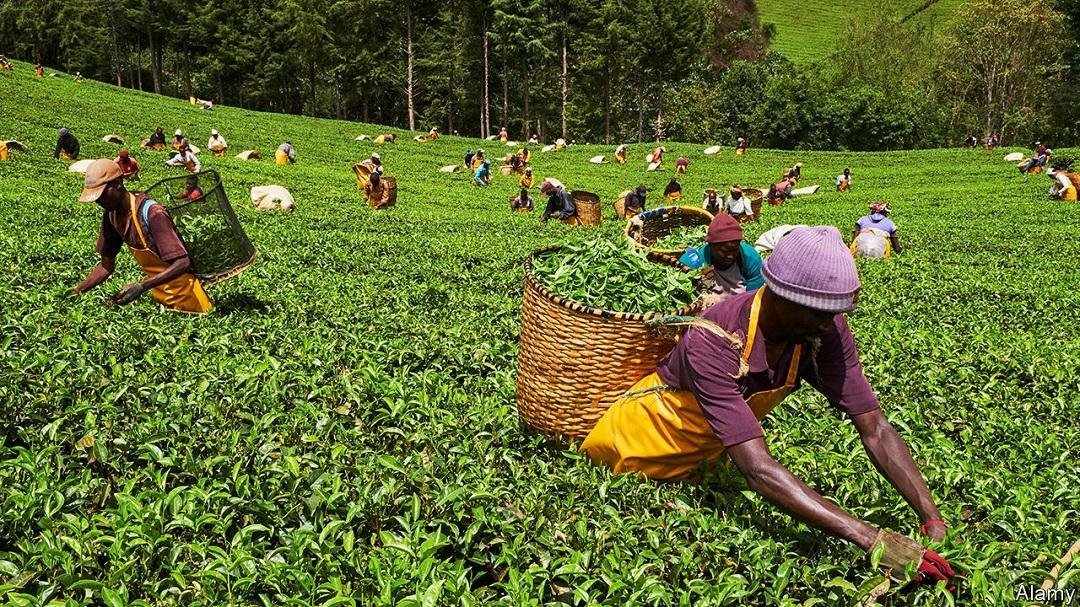
Tea production in Kenya also grew by 7% during the first ten months of 2024, thanks to favorable weather conditions. Consistent rainfall in key tea-growing regions, coupled with improved farming practices, contributed to the increased yield.
Key Export Markets and Diversification Efforts
Kenya’s primary tea export markets continue to be Pakistan, Egypt, the United Arab Emirates, Russia, and Sudan. These nations accounted for the largest share of tea imports from Kenya, underscoring their importance in driving demand.
To further diversify its market base, Kenya has intensified efforts to tap into the Asian market. In 2024, the Kenyan government inaugurated a tea trade center in Fujian Province, China. This strategic move aims to enhance Kenya’s presence in the Chinese market, one of the largest tea-consuming regions globally.
The government is also exploring partnerships with other Asian countries, leveraging growing middle-class populations and evolving consumer preferences for premium tea products.
Economic Indicators and Broader Export Trends
Beyond tea, Kenya’s overall export performance showed positive growth in 2024. According to the Kenya National Bureau of Statistics (KNBS), exports in the third quarter increased by 5.5% to 284.4 billion Kenyan shillings (approximately $2.19 billion) compared to the same period in 2023.
Export Highlights by Region
- Africa:
Africa accounted for the largest share of Kenya’s export earnings at 39.6%. However, exports to key African markets such as Egypt, Tanzania, Burundi, and South Sudan declined significantly, with decreases ranging from 10.4% to 36.9%. - Asia:
Exports to Asia grew to 79.3 billion Kenyan shillings (about $612.8 million), driven by increased re-exports of kerosene-type jet fuel to the UAE and exports of pigeon peas to India. - European Union (EU):
Earnings from the EU slightly declined to 38 billion Kenyan shillings (approximately $293.7 million), primarily due to reduced exports of cut flowers, a traditional Kenyan export staple. - United States:
Revenue from exports to the U.S. rose by a remarkable 46.8% to 26.2 billion Kenyan shillings (approximately $202.5 million). This was attributed to increased exports of apparel, clothing accessories, and re-exports of jet fuel.
Challenges Facing the Tea Sector
Despite the impressive growth in exports and earnings, the tea sector in Kenya faces several challenges:
- Climate Change:
While 2024 saw favorable weather conditions, the industry remains vulnerable to unpredictable climate patterns, including prolonged droughts or excessive rainfall that could disrupt production. - Global Market Dynamics:
Fluctuating demand in key markets, influenced by economic and political factors, poses risks to export stability. For example, economic instability in countries like Sudan and Pakistan can reduce demand for Kenyan tea. - Competition:
Kenya faces increasing competition from other tea-producing countries, including Sri Lanka, India, and China. These nations are aggressively marketing their tea products and diversifying into specialty and value-added tea segments. - Cost of Production:
High production costs, driven by rising labor wages and input prices, continue to affect the profitability of tea farmers.
Government Initiatives to Strengthen the Tea Sector
Recognizing the importance of tea to Kenya’s economy, the government and industry stakeholders have implemented various measures to address these challenges:
- Promotion of Value Addition:
Kenya is shifting its focus from exporting bulk tea to value-added products, such as packaged and branded tea. This strategy aims to increase earnings and create more jobs in the processing sector. - Expansion of Irrigation Infrastructure:
To mitigate the effects of climate change, the government is investing in irrigation systems for tea plantations. This move will ensure consistent production during periods of low rainfall. - Support for Smallholder Farmers:
Smallholder farmers, who contribute over 60% of Kenya’s tea production, are receiving support in the form of subsidized inputs, training on best agricultural practices, and access to affordable financing. - Research and Development:
Through institutions like the Tea Research Foundation, Kenya is exploring new tea varieties that are drought-resistant and have higher yields. The foundation is also working on innovations to enhance the flavor and quality of Kenyan tea. - Strengthening Trade Partnerships:
Kenya is engaging in bilateral and multilateral trade agreements to secure better market access for its tea exports. For instance, ongoing negotiations with the Gulf Cooperation Council (GCC) could open up more opportunities in the Middle East.
The Future of Kenyan Tea
Kenya’s tea sector is poised for continued growth, with projections indicating a strong performance in 2025 and beyond. Factors such as expanding market access, ongoing diversification efforts, and investments in value addition will be key drivers of this growth.
However, addressing challenges such as climate change, market competition, and production costs will require sustained collaboration between the government, private sector, and international partners.
As the global demand for high-quality tea continues to rise, Kenya has the opportunity to solidify its position as a leading tea exporter. By building on its successes in 2024 and implementing forward-looking strategies, the country can ensure that tea remains a cornerstone of its economic development.
Ready to take your career to the next level? Join our dynamic courses: ACCA, HESI A2, ATI TEAS 7 , HESI EXIT , NCLEX – RN and NCLEX – PN!🌟 Dive into a world of opportunities and empower yourself for success. Explore more at Serrari Ed and start your exciting journey today! ✨
photo source: Google
By: Montel Kamau
Serrari Financial Analyst
9th January, 2024