
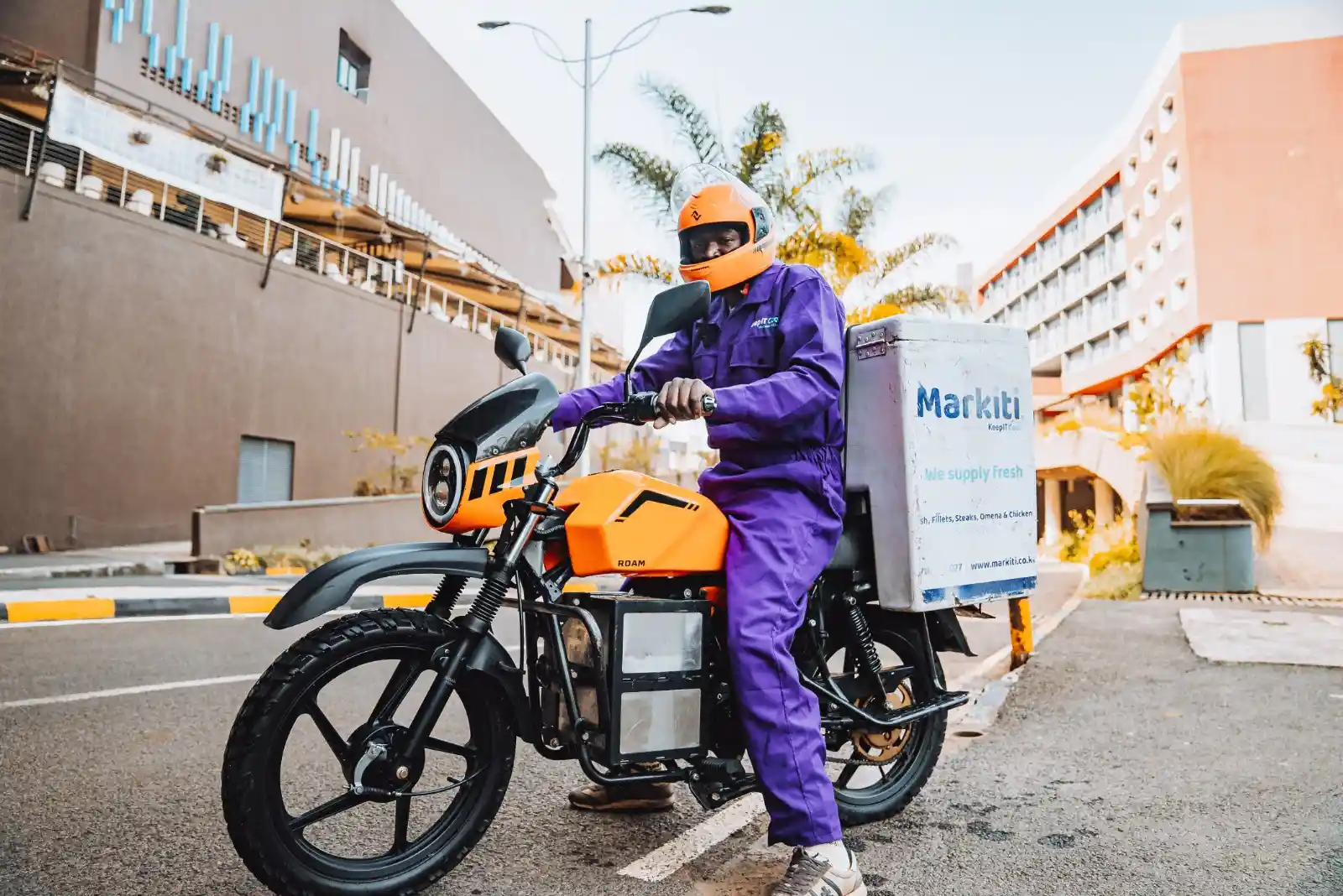
Kenya has officially unveiled Africa’s inaugural fully electric cold-chain delivery network, a monumental achievement forged through an innovative partnership between electric mobility trailblazer Roam and cold-chain innovator Keep It Cool (KIC). This groundbreaking collaboration marries solar-powered refrigeration with clean electric delivery motorcycles, creating a comprehensively sustainable food delivery system. This initiative directly addresses critical challenges in food security, climate action, and economic empowerment across East Africa, setting a new benchmark for sustainable development on the continent.
The alliance between Roam, a distinguished 2022 Earthshot Prize finalist, and Keep It Cool, the esteemed 2024 Earthshot Prize winner, signifies a pivotal moment for African innovation. Together, they have established the continent’s first fully electric cold-chain distribution network, seamlessly integrating five of Roam’s cutting-edge Air electric motorcycles into Keep It Cool’s already robust and intelligent cold-chain system. This integration is designed to ensure that perishable goods maintain optimal temperatures throughout their journey, from producer to consumer, all while operating on clean energy.
Keep It Cool’s existing infrastructure already facilitates the movement of an impressive 250,000 kilograms of fresh food weekly, serving over 4,000 small businesses and 40 supermarkets across Kenya’s major urban centers, including Nairobi, Kisumu, Nakuru, and Mombasa. The addition of the Roam Air motorcycles, which are meticulously designed and manufactured within Kenya, enhances this network significantly. These electric workhorses can carry up to 240 kg of cargo and reduce running costs by up to 75% compared to traditional, fossil fuel-powered motorcycles, making electric vehicle adoption in Kenya not only environmentally friendly but also a compelling economic imperative for businesses and riders alike. This historic partnership was highlighted in a recent article detailing how Earthshot finalists partnered to launch Africa’s first electric cold chain delivery network.
The Genesis of a Green Revolution: Converging Visions
The partnership between Roam and Keep It Cool is not merely a business transaction; it is the culmination of shared visions for a sustainable and equitable future for Africa. Both companies have individually carved out reputations as leaders in their respective fields, driven by a commitment to addressing pressing continental challenges through innovative, locally-tailored solutions.
Roam, formerly known as Opibus, emerged from a deep understanding of Africa’s unique mobility needs. Founded with the ambition to electrify the continent’s transport sector, Roam has focused on developing electric motorcycles and buses that are robust, affordable, and suited to local conditions. Their recognition as a 2022 Earthshot Prize finalist underscored their potential to create widespread environmental impact by reducing emissions from a rapidly growing vehicle fleet. The company’s journey has been marked by significant milestones, including the development of electric public transport solutions and the successful deployment of their electric motorcycles in various commercial applications. Their focus on local manufacturing not only ensures product relevance but also fosters job creation and skills development within Kenya, contributing to a burgeoning green economy.
Keep It Cool (KIC), on the other hand, tackled a different but equally critical problem: the staggering rates of post-harvest food loss. Recognizing that a significant portion of agricultural produce perishes before reaching markets due to inadequate storage and transport, KIC developed a comprehensive, tech-driven cold-chain solution. Their innovative approach, which earned them the prestigious 2024 Earthshot Prize, centers on creating a seamless, temperature-controlled environment from farm to retailer. KIC’s commitment extends beyond technology, aiming to empower small-scale producers by providing market access and fair pricing, thereby improving livelihoods and enhancing food security.
The convergence of these two powerhouses was a natural fit. Roam’s expertise in electric mobility provided the missing link for KIC’s vision of an end-to-end clean cold chain. By electrifying the “last mile” of food delivery, the partnership ensures that the entire journey of perishable goods, from initial storage to final delivery, is powered by clean energy, minimizing environmental impact and maximizing efficiency. This synergy exemplifies how cross-sectoral collaboration can unlock transformative solutions for complex challenges.
Deciphering the Electric Cold Chain: Technology at Work
The integrated system deployed by Roam and Keep It Cool is a testament to advanced technology applied to real-world problems. It comprises several interconnected components that work in harmony to ensure efficiency, sustainability, and reliability.
Roam Air Electric Motorcycles: The Backbone of Clean Delivery
The Roam Air electric motorcycles are more than just vehicles; they are purpose-built tools for sustainable logistics. Designed and manufactured in Kenya, these motorcycles are engineered to withstand the demanding conditions of African roads while delivering superior performance and economic benefits.
- Technical Specifications: Each Roam Air motorcycle boasts an impressive 200km range on a dual battery system, providing ample capacity for extensive daily delivery routes without frequent recharging. With a maximum speed of 90km/hr, they are capable of navigating both urban and peri-urban environments efficiently. Crucially for logistics, they offer a substantial 240kg payload capacity, enabling the transport of significant volumes of perishable goods. The motorcycles are designed for practicality, using standard 220-240V sockets with 600W AC chargers, making them easy to integrate into existing electrical infrastructure. Most importantly, they produce zero tailpipe emissions, directly contributing to cleaner air quality in urban centers and mitigating climate change.
- Economic Viability: The significant reduction in running costs—up to 75% compared to traditional petrol motorcycles—is a game-changer for businesses and riders. This cost-saving is primarily due to lower fuel expenses (electricity being cheaper than petrol in Kenya) and reduced maintenance requirements for electric vehicles. This economic incentive is a key driver for electric vehicle adoption in Kenya, encouraging a faster transition away from fossil fuels.
Keep It Cool’s Smart Cold-Chain System: From Harvest to Home
Keep It Cool’s system is a sophisticated network designed to minimize post-harvest losses and optimize food distribution. The integration of Roam’s electric motorcycles completes what the companies proudly call a “fully clean” delivery system.
- Solar-Powered Cold Rooms: At the core of KIC’s solution are solar-powered cold rooms strategically located near fishing ports and agricultural hubs. These cold rooms operate independently of the grid, ensuring continuous refrigeration even in remote areas with unreliable power supply. This off-grid capability is vital for maintaining the integrity of perishable goods immediately after harvest or catch, preventing spoilage at the earliest stage.
- Hybrid Delivery Trucks: Complementing the electric motorcycles for larger volumes and longer distances, KIC utilizes hybrid delivery trucks. While not fully electric, these vehicles represent a step towards lower emissions, combining traditional engines with electric motors for improved fuel efficiency and reduced environmental impact.
- Digital Platform (Markiti): KIC’s innovative Markiti platform is a digital marketplace that connects producers directly to retailers. This platform streamlines the supply chain by providing real-time information on demand, supply, and pricing. It also guarantees prices for producers, offering them financial stability and reducing their vulnerability to market fluctuations. The IoT-enabled monitoring within KIC’s system allows for real-time temperature tracking throughout the cold chain, ensuring that goods remain within optimal temperature ranges and alerting operators to any deviations. This level of transparency and control is critical for maintaining food quality and safety.
The Silent Crisis: Post-Harvest Losses in East Africa
East Africa grapples with a severe post-harvest crisis, a silent but devastating challenge that undermines food security, economic stability, and environmental sustainability. Nearly half of all fish and poultry, critical protein sources, are lost before reaching markets. This staggering loss is primarily attributable to inadequate cold storage and inefficient transport infrastructure. The implications of this crisis are far-reaching:
- Food Insecurity: The loss of such a significant portion of food directly contributes to food insecurity, particularly in regions where access to nutritious food is already a challenge. It means less food available for consumption, leading to higher prices and reduced access for vulnerable populations. The East African Community (EAC) has also reported substantial post-harvest losses in cereals, roots, tubers, fruits, and vegetables.
- Economic Impact: Farmers and fisherfolk, often small-scale producers, lose a substantial portion of their potential income due to spoilage. This impacts their livelihoods, perpetuates poverty, and discourages investment in agricultural and fishing sectors. The economic ripple effect extends to retailers and consumers, who face higher costs and reduced availability.
- Environmental Waste: Food waste is a major contributor to greenhouse gas emissions. When food rots in landfills, it produces methane, a potent greenhouse gas that is far more damaging than carbon dioxide in the short term. Saving food from spoilage directly contributes to climate action by reducing these emissions. The wasted resources (water, land, energy) used to produce the lost food also represent a significant environmental burden.
- Public Health Concerns: Inadequate cold chains can lead to the growth of harmful bacteria in perishable foods, posing significant public health risks. Ensuring proper refrigeration throughout the supply chain is crucial for food safety and preventing foodborne illnesses.
Keep It Cool directly confronts this multifaceted crisis. By investing in solar-powered cold rooms near fishing ports and agricultural centers, they provide immediate and reliable refrigeration at the point of harvest. This critical intervention prevents initial spoilage. The subsequent integration of hybrid delivery trucks and Roam’s electric motorcycles then ensures that this temperature integrity is maintained throughout the journey to market, creating a seamless and secure cold chain.
Tangible Impact: Beyond the Numbers
The partnership between Roam and Keep It Cool has already demonstrated remarkable and quantifiable results, showcasing the immense potential of sustainable innovation.
- Increased Incomes and Livelihoods: Keep It Cool has directly helped over 5,600 fisherfolk increase their incomes by more than 15%. This improvement is a direct result of enhanced market access, reduced post-harvest losses, and the guaranteed pricing offered through KIC’s digital platform. For small-scale producers, a 15% increase in income can be transformative, allowing for better living standards, investment in their businesses, and improved food security for their families.
- Dramatic Reduction in Post-Harvest Losses: The system has achieved an astounding 98% reduction in post-harvest losses for over 1.5 million kg of food. This figure is monumental, representing a vast amount of food that would otherwise have gone to waste. This efficiency translates directly into more food available for consumption, more income for producers, and less environmental waste.
- Significant Environmental Savings: The partnership’s efforts are saving nearly 400 tonnes of fish annually that would otherwise end up in landfills. This direct diversion of organic waste from landfills plays a crucial role in mitigating methane emissions, a powerful greenhouse gas. Furthermore, the shift to electric vehicles for delivery significantly reduces carbon emissions associated with transport, contributing to cleaner air and a healthier environment. The combined effect of reducing food waste and decarbonizing transport creates a powerful dual benefit for climate action.
Pioneers of African Innovation: Roam and Keep It Cool in Detail
Both Roam and Keep It Cool are not just companies; they are embodiments of African ingenuity and leadership in sustainable development.
Roam’s Electrifying Journey
Roam has firmly established itself as a frontrunner in African electric mobility. The company was recently recognized as Kenya’s fastest-growing company by the Financial Times, a testament to its rapid expansion and market penetration. Their journey extends beyond Nairobi, with significant efforts to expand sales and charging infrastructure services across the country.
A key development is the launch of the Roam Air Generation 2, an improved model developed with direct input from Kenyan riders. This iterative design process ensures that their products are perfectly suited to the needs and preferences of their target market. Roam’s commitment to African solutions is further highlighted by their remarkable achievement of a 6,000-kilometer solar-powered journey from Nairobi to Stellenbosch, South Africa. This expedition not only demonstrated the long-range capability and reliability of their electric vehicles but also showcased the potential for solar energy to power trans-continental journeys, inspiring a broader shift towards sustainable transport solutions across Africa.
Keep It Cool’s Visionary Approach
Keep It Cool has garnered global recognition for its innovative Markiti platform. This platform seamlessly integrates several key components: solar-powered cold storage, efficient hybrid transport, and direct-to-market technology. This comprehensive approach has yielded impressive results, including the aforementioned 98% food waste reduction, a significant 51% emissions reduction across its operations, and a tangible increase in incomes across underserved communities by connecting them directly to markets.
Looking ahead, Keep It Cool is poised for even greater impact. The company is set to open Kenya’s largest solar-powered cold-chain hub this year, a facility with a massive 70-tonne capacity. This expansion will significantly enhance their ability to serve more producers and retailers. Furthermore, KIC has ambitious plans to reach 1.6 million people by 2030, underscoring their commitment to scaling their sustainable food logistics model and making a profound difference in food security and economic empowerment across the region.
Policy and Infrastructure: Paving the Way for E-Mobility in Kenya
The success of the Roam and Keep It Cool partnership is greatly facilitated by Kenya’s increasingly supportive ecosystem for electric mobility. The country has demonstrated a proactive approach to fostering a green transport sector through various policy initiatives and infrastructure investments.
- Government Initiatives: Kenya has been actively discussing the launch of green number plates for electric vehicles, a symbolic yet practical step to distinguish and promote EVs. More significantly, the government has launched comprehensive e-mobility policies aimed at accelerating the adoption of electric vehicles across various segments, including two-wheelers, public transport, and private cars. These policies often include incentives for EV manufacturers, importers, and consumers, as well as regulations to support charging infrastructure development.
- Growing Investment: The e-mobility sector in Kenya is attracting substantial investment. For instance, ARC Ride recently secured $5 million from British International Investment, earmarked for the deployment of 5,000 electric motorbikes. Similarly, major ride-hailing and financial technology companies like Bolt and M-KOPA have launched their own electric motorcycle programs, further expanding the availability and accessibility of electric two-wheelers for commercial use. These investments signal strong confidence in the growth potential of Kenya’s e-mobility market.
- Increasing Registrations: The tangible impact of these efforts is evident in the rising number of electric vehicles on Kenyan roads. Data shows that Kenya’s electric vehicle registrations doubled to 5,294 in 2024 from the previous year. While still a small fraction of the total vehicle fleet, this number represents significant growth and a clear trend towards electrification.
- Infrastructure Development: A critical aspect of e-mobility adoption is the development of robust charging infrastructure. While the Roam Air motorcycles can use standard household sockets, widespread public and commercial charging networks are essential for scaling up adoption. Kenya is seeing increasing investment in charging stations, both by private companies and through public-private partnerships, to support the growing EV fleet. Challenges remain in ensuring equitable access to charging infrastructure, particularly in rural areas, and in integrating renewable energy sources into the grid to ensure that the electricity powering EVs is truly clean.
This supportive policy and investment environment creates fertile ground for innovations like the Roam-KIC partnership to thrive, demonstrating how governmental foresight can catalyze private sector-led sustainable development.
Replicating Success: A Blueprint for Africa
The Roam and Keep It Cool partnership is more than a local success story; it creates a scalable and replicable model for sustainable cold-chain logistics across other African markets. Many countries on the continent face similar challenges related to post-harvest losses, food insecurity, and the urgent need to reduce carbon emissions from transportation.
The model’s key strengths—its reliance on locally manufactured electric vehicles, solar-powered cold storage, and a digital platform for market access—make it highly adaptable. African nations can learn from Kenya’s experience and tailor similar solutions to their specific contexts, leveraging local resources and fostering domestic innovation. The economic benefits of reduced running costs for electric vehicles and increased incomes for producers are powerful incentives for adoption. Furthermore, the environmental imperative to combat climate change and reduce food waste provides a strong motivation for governments and international organizations to support the replication of this model. This partnership serves as a compelling case study, proving that sustainable solutions can be both environmentally beneficial and economically viable, setting a new standard for sustainable development across the continent. It offers a tangible pathway for Africa to leapfrog traditional, carbon-intensive development models and build a greener, more resilient future.
Conclusion: A Sustainable Future, Built in Africa
The launch of Africa’s first all-electric food chain in Kenya represents more than just a technological advancement; it symbolizes a new, integrated approach to solving interconnected challenges of food security, climate change, and economic development. By seamlessly combining clean energy, smart logistics, and African-made technology, the partnership between Roam and Keep It Cool proves that locally-developed, sustainable solutions can be both environmentally beneficial and economically viable. This pioneering initiative sets a powerful precedent, offering a blueprint for other nations across the continent to build resilient, clean, and prosperous food systems. It is a testament to Africa’s growing capacity to innovate and lead in the global transition towards a sustainable future.
Ready to take your career to the next level? Join our dynamic courses: ACCA, HESI A2, ATI TEAS 7 , HESI EXIT , NCLEX – RN and NCLEX – PN, Financial Literacy!🌟 Dive into a world of opportunities and empower yourself for success. Explore more at Serrari Ed and start your exciting journey today! ✨
photo source: Google
By: Montel Kamau
Serrari Financial Analyst
11th July, 2025