As Kenya’s Sh301 billion International Monetary Fund (IMF) programme nears expiration in April, the Kenya Kwanza government is actively exploring options for a successor arrangement to secure continued economic support. The administration, facing rising debt obligations, a struggling economy, and dwindling local revenues, sees a new IMF deal as critical to ensuring financial stability.
The existing Extended Fund Facility (EFF) and Extended Credit Facility (ECF) programme, approved in 2021 during former President Uhuru Kenyatta’s tenure, was intended to help Kenya recover from the COVID-19 pandemic while addressing its growing debt vulnerabilities. Over the past four years, the IMF-backed reforms have had a significant impact on taxation, public debt management, and governance measures.
As the current programme draws to a close, both government officials and IMF representatives have acknowledged its role in providing much-needed financial assistance and guiding essential economic and fiscal reforms.
Why Kenya Needs a New IMF Arrangement
Kenya’s economy has been under pressure from multiple fronts, and a new IMF programme could help address fiscal imbalances and stabilize the macroeconomic environment. Several factors are driving the need for continued IMF support:
1. Rising Debt Levels and Maturing Loans
- Kenya’s public debt has surpassed Sh10 trillion ($65 billion), with significant portions of this debt maturing in the coming years.
- The country faces heavy external debt repayments, particularly for Eurobonds and loans from multilateral lenders like the World Bank and China.
- In 2024 alone, debt servicing costs amounted to nearly 60% of total revenues, putting pressure on the Treasury to seek external funding options.
2. Declining Government Revenues
- Tax collections have remained below targets, with businesses struggling under a tough economic climate.
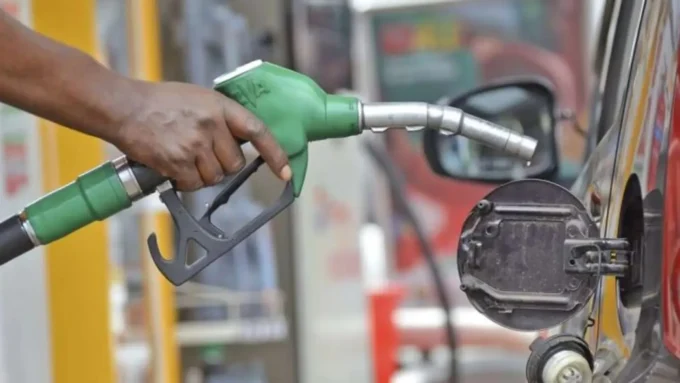
- The government has increased levies on fuel, income, and digital services, but these measures have triggered public outcry.
- The underground economy (informal sector) remains largely untaxed, making it challenging to expand the tax base.
3. Currency Depreciation and Inflation Concerns
- The Kenyan shilling lost nearly 30% of its value against the U.S. dollar in 2024, pushing up import costs and inflation.
- Inflation stood at 6.9% in January 2025, with rising food prices and transport costs driving the increase.
- High interest rates and tight monetary policies by the Central Bank of Kenya (CBK) have attempted to contain inflation, but businesses have struggled under high borrowing costs.
4. IMF-Driven Fiscal Consolidation Efforts
- The IMF has been instrumental in pushing Kenya toward fiscal consolidation, urging the government to:
- Enhance tax collection efforts through reforms in VAT and income tax administration.
- Reduce wasteful government spending and streamline public sector wage bills.
- Increase transparency and accountability in state-owned enterprises (SOEs).
Potential Conditions for a New IMF Programme
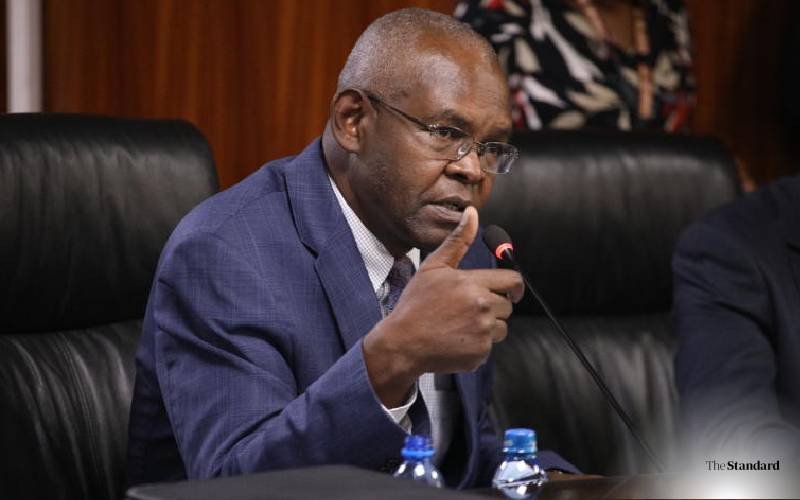
While CBK Governor Kamau Thugge noted that it is still too early to determine the specifics of a new agreement, it is widely expected that any successor IMF programme would come with stringent conditions.
Some of the likely conditions for securing new funding include:
- Tax Base Expansion – The IMF is expected to push for additional tax reforms to increase revenue collection.
- Strict Anti-Corruption Measures – Kenya has been under scrutiny over high-profile corruption scandals in government institutions, and the IMF will likely demand tougher enforcement.
- Spending Cuts and Fiscal Discipline – The government may need to reduce non-essential spending, including parastatal subsidies and inefficient government programmes.
- State-Owned Enterprise (SOE) Reforms – Parastatals such as Kenya Airways and Kenya Power may be forced into privatization or restructuring.
Public Concerns Over New IMF Reforms
Kenya’s previous IMF-backed policies have not been without controversy.
1. The Impact of Tax Hikes on Ordinary Kenyans
- The Finance Act 2023, introduced under IMF guidance, led to higher VAT on fuel, raising transport and commodity prices.
- Income tax adjustments and digital taxes were also introduced, impacting small businesses and freelancers.
2. Gen Z-Led Protests Against IMF-Driven Policies
- In June 2024, Kenya witnessed nationwide protests led by young people (“Gen Z”), opposing new taxes and rising living costs.
- The protests were triggered by increased payroll deductions, inflated fuel prices, and higher cost of living due to IMF-backed tax reforms.
Given the public backlash against previous IMF conditions, the government faces a difficult balancing act in securing a new deal while ensuring political and social stability.
Declining Foreign Aid and Its Impact on the Economy
One of the biggest challenges for Kenya’s economy is the decline in foreign aid from major donors, particularly the United States.
- In 2024, the U.S. Agency for International Development (USAID) allocated Sh19.2 billion ($149.4 million) to Kenya’s programs, a sharp drop from Sh32.4 billion ($251.5 million) in 2023.
- The reduction follows U.S. President Donald Trump’s recent order to halt all foreign aid, including to Kenya, as part of his “America First” policy.
CBK Governor Kamau Thugge reassured the public that while the decline in foreign aid is concerning, the biggest risk to the Kenyan shilling remains remittance shortfalls rather than donor funding cuts.
CBK’s Efforts to Stimulate Credit Growth
To support economic recovery, the CBK has taken key monetary policy steps, including:
- Lowering the Central Bank Rate (CBR) by 50 basis points to 10.75%.
- Reducing the Cash Reserve Ratio (CRR) to 3.25%, allowing banks to lend more money to businesses and households.
However, despite these measures, the cost of credit remains high, with banks slow to reduce lending rates.
- Average lending rates in December 2024 remained above 14%, limiting access to affordable financing.
- The CBK has initiated on-site inspections of major banks to ensure compliance with the Risk-Based Credit Pricing Model (RBCPM).
- Non-compliant banks face fines of up to Sh20 million or three times the value of undue benefits accrued.
What Lies Ahead: Will a New IMF Deal Help or Hurt Kenya?
With public debt rising, tax revenues shrinking, and inflationary pressures persisting, a new IMF deal may offer short-term relief but comes with long-term trade-offs.
Potential Benefits of a New IMF Programme
Ensures continued access to concessional funding to meet debt obligations.
Helps stabilize the Kenyan shilling through better monetary policies.
Encourages fiscal discipline and helps the government manage expenditure.
Potential Risks and Challenges
New IMF conditions may lead to unpopular tax increases.
Social unrest and protests could return if the cost of living rises further.
Increased scrutiny on public sector spending could force privatization of state assets, potentially leading to job losses.
Conclusion: A Tough Road Ahead for Kenya’s Economy
As Kenya moves towards a possible new IMF arrangement, policymakers must strike a balance between fiscal consolidation and economic growth.
While IMF support is crucial for debt management and financial stability, the government must be mindful of public sentiment and economic realities.
The next few months will be critical, as negotiations between the Ruto administration and the IMF determine the shape of Kenya’s economic future in 2025 and beyond.
Ready to take your career to the next level? Join our dynamic courses: ACCA, HESI A2, ATI TEAS 7 , HESI EXIT , NCLEX – RN and NCLEX – PN, Financial Literacy!🌟 Dive into a world of opportunities and empower yourself for success. Explore more at Serrari Ed and start your exciting journey today! ✨
photo source: Google
By: Montel Kamau
Serrari Financial Analyst
7th January, 2025