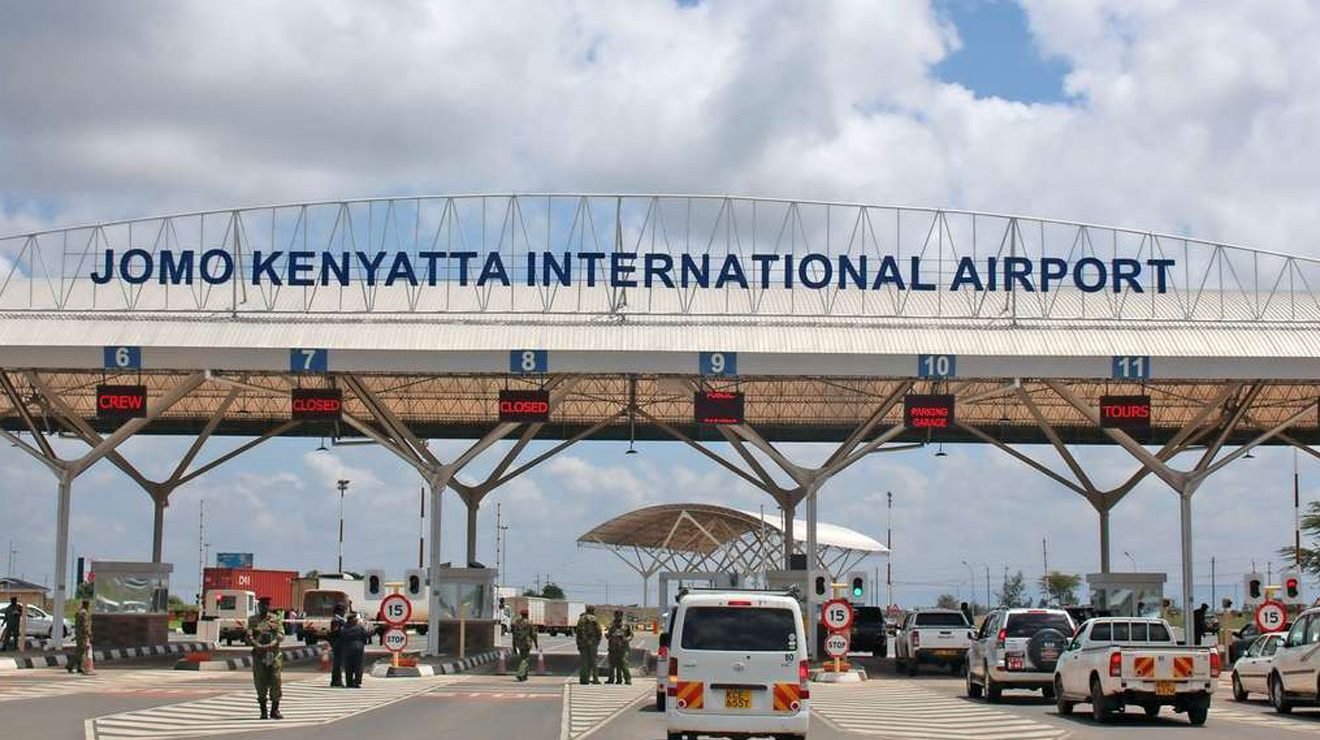
The Kenyan government has announced plans to issue a Sh500 billion diaspora bond to finance the modernization of Jomo Kenyatta International Airport (JKIA) and other key infrastructure projects. This decision comes after the cancellation of a controversial deal with India’s Adani Group, which had initially been tapped for the airport’s redevelopment.
A Strategic Shift in Funding
President William Ruto revealed during his recent State of the Nation address that the Adani deal was terminated due to concerns over corruption and legal constraints. He emphasized that the government is committed to improving JKIA, despite the setback. “I want to assure Kenyans that a new airport will be constructed. Some celebrated the cancellation, yet the airport’s roof is leaking,” President Ruto stated during a groundbreaking ceremony in Taita Taveta County.
Harnessing the Diaspora’s Financial Potential
The proposed diaspora bond seeks to tap into the financial resources of Kenya’s expatriate community. Diaspora bonds have been successfully utilized by countries like India and Israel to raise billions for national development. Kenya’s diaspora remittances reached a record $4 billion in the first ten months of 2024, highlighting their potential as a robust funding source.
Prime Cabinet Secretary Musalia Mudavadi noted that a diaspora bond could provide a secure investment opportunity for Kenyans abroad while reducing the government’s reliance on costly commercial debt. The bond is expected to offer competitive returns, surpassing interest rates in the host countries of Kenyan expatriates.
Boosting Economic Development
Remittances have become Kenya’s largest foreign exchange earner, outpacing traditional sectors such as tea, coffee, and tourism. With targeted efforts to increase remittances to Sh1 trillion by 2027, the government aims to solidify the diaspora’s role in the country’s economic transformation. These funds not only bolster infrastructure but also contribute to education, healthcare, and rural development initiatives.
The diaspora bond will complement ongoing fiscal reforms supported by international organizations like the IMF and World Bank. These reforms aim to stabilize Kenya’s debt and foster sustainable economic growth. The IMF has praised the Ruto administration’s efforts to reduce macroeconomic imbalances, including initiatives to strengthen fiscal discipline and attract foreign investments.
Infrastructure as a Pillar of Vision 2030
The modernization of JKIA aligns with Kenya’s Vision 2030 development agenda, which seeks to position the country as a regional hub for trade, tourism, and investment. Upgrading JKIA is considered essential for enhancing Kenya’s competitiveness in the global market, particularly in the aviation sector. The revamped airport is expected to support increased passenger traffic and improve logistical efficiency, boosting the economy and creating jobs.
Expanding Global Partnerships
The diaspora bond is part of broader efforts to deepen economic ties with Kenyans abroad and engage in bilateral labor agreements to secure quality job placements for Kenyan workers globally. President Ruto has underscored the importance of global engagement, noting that Kenya’s interaction with international partners contributes to its socioeconomic progress.
In conclusion, the proposed Sh500 billion diaspora bond represents a strategic pivot in Kenya’s approach to funding major infrastructure projects. By leveraging the diaspora’s financial contributions, the government aims to reduce its dependence on foreign loans and advance its development agenda in a sustainable and inclusive manner.
Ready to take your career to the next level? Join our dynamic courses: ACCA, HESI A2, ATI TEAS 7 , HESI EXIT and NCLEX – RN !🌟 Dive into a world of opportunities and empower yourself for success. Explore more at Serrari Ed and start your exciting journey today! ✨
Photo source: Google
By: Montel Kamau
Serrari Financial Analyst
6th December, 2024