Kakuzi PLC, one of Kenya’s largest agribusiness firms, has announced a significant Sh100 million ($700,000) investment plan for 2025 as part of its efforts to diversify its agricultural portfolio and expand into new markets. This development underscores the company’s long-term strategy of focusing on sustainability and enhancing shareholder value through innovative agricultural ventures.
The announcement was made during a shareholders’ meeting, where the company’s leadership outlined its future plans to integrate technology, expand its product range, and adopt sustainable farming practices. This new strategy comes at a crucial time for Kakuzi, which has been seeking ways to minimize the risks associated with global market uncertainties and climate change.
Sustainability at the Core of Kakuzi’s Diversification Strategy
Kakuzi Managing Director Chris Flowers emphasized the importance of sustainability in the company’s future endeavors. According to Flowers, the new investment plan focuses on several key areas: integrating agricultural technology, promoting water stewardship, measuring and reducing carbon emissions, and minimizing waste products. These initiatives are aimed at enhancing the company’s ability to operate efficiently in a rapidly changing agricultural landscape while maintaining a commitment to environmental sustainability.
The company’s push for sustainability aligns with global trends, where agribusinesses are increasingly required to adopt practices that conserve natural resources and reduce environmental impact. For Kakuzi, this means investing in technology to improve resource efficiency and productivity, particularly in water use, which is a critical issue for agricultural firms in Kenya due to fluctuating rainfall patterns and drought conditions.
Focus on Agricultural Technology and Innovation
Kakuzi’s investment in agricultural technology is expected to revolutionize its farming practices. The use of technology in agriculture, commonly referred to as AgTech, includes innovations such as precision farming, drone surveillance, and smart irrigation systems. These technologies allow farmers to optimize water usage, monitor crop health in real time, and make data-driven decisions that improve yields and reduce input costs.
For Kakuzi, adopting AgTech will not only enhance operational efficiency but also support its efforts to address the unpredictable effects of climate change. “We are committed to incorporating the latest agricultural technologies into our farming practices to boost productivity and ensure sustainable operations,” said Flowers. This will enable Kakuzi to remain competitive in both domestic and international markets, where demand for sustainable and responsibly sourced agricultural products is rising.
Expansion into New Commercial Produce
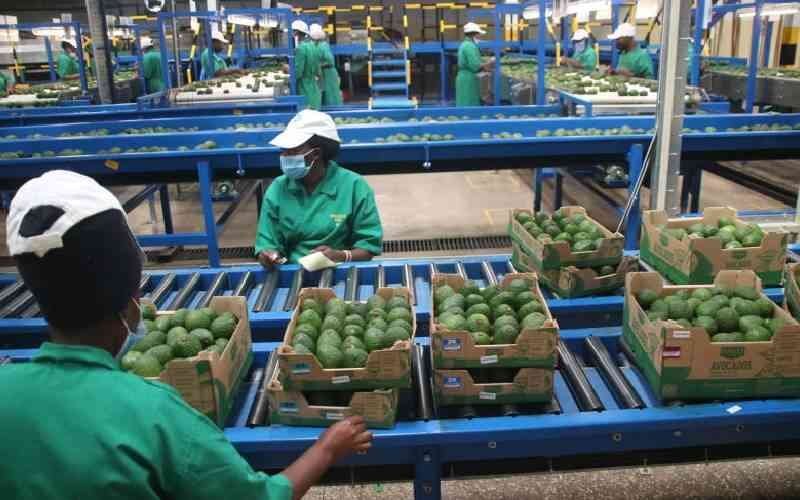
A major component of Kakuzi’s diversification strategy is the introduction of new commercial crops, particularly blueberries, which the company sees as a high-potential export commodity. Currently, Kakuzi is best known for its avocado and macadamia production, which are exported to various international markets, including Europe, China, the Middle East, and the United States. However, the addition of blueberries is expected to open up new opportunities, especially in markets such as Europe and Asia, where demand for this superfood is increasing.
Alongside blueberries, Kakuzi also plans to expand its livestock operations, which will complement its crop production. By diversifying into livestock, the company is seeking to reduce its reliance on a single revenue stream and provide a hedge against market fluctuations in the agricultural sector.
“Market diversification for Kakuzi is a key part of our strategy, not only for export but also for the growing domestic and regional markets,” Flowers stated during a tour of the farm’s operations in Murang’a County. This diversification is expected to protect the company from the volatility that can arise from relying too heavily on one or two products.
Adapting to Global Challenges
Kakuzi’s investment plan also reflects the company’s recognition of the growing complexities of doing business in the global agricultural sector. According to Flowers, the logistics of exporting agricultural products have become more challenging in recent years due to various factors beyond the company’s control. Among these is the closure of the Red Sea shipping routes, which has disrupted global trade flows, increasing costs and delays for exporters in Kenya and other countries in the region.
In addition to logistical challenges, Kakuzi is also grappling with the effects of climate change, which has made agricultural production far less predictable. Extreme weather events, such as droughts and floods, have impacted crop yields and put pressure on water resources. As a result, Kakuzi’s investment in water stewardship and carbon footprint reduction is crucial not only for the company’s sustainability goals but also for ensuring its long-term profitability.
“Today’s agricultural sector is facing challenges that are much more significant than those we encountered during the COVID-19 pandemic,” Flowers noted. “The combination of climate change, global logistics issues, and shifting consumer preferences means that we have to be more innovative and resilient in our operations.”
Strengthening Shareholder Confidence
Kakuzi’s leadership has taken steps to ensure that shareholders are actively involved in the company’s growth strategy. The firm’s board chairman, Nicholas Ng’ang’a, emphasized the importance of shareholder engagement in the company’s decision-making process. He reiterated that shareholders are the primary stakeholders in Kakuzi’s operations and are kept informed through familiarization tours and regular updates on business progress.
In the past year, Kakuzi’s shareholder base has expanded, with the number of registered shareholders growing from 1,362 in 2022 to 1,395 by the end of 2023. This increase reflects growing investor confidence in the company’s future prospects, driven by its commitment to sustainability and diversification.
“Our shareholders are our most important stakeholders, and we take pride in showing them how their investments are being put to work to ensure long-term growth,” Ng’ang’a said. The company’s leadership believes that by continuing to engage with shareholders and demonstrate the impact of its investments, Kakuzi can build lasting trust and loyalty among its investors.
Outlook for Kakuzi’s Growth in 2025 and Beyond
Kakuzi’s Sh100 million investment plan marks a significant step in the company’s growth trajectory. As it seeks to diversify its product offerings and expand into new markets, Kakuzi is positioning itself as a leading player in the international agribusiness sector. Its focus on sustainability, technology adoption, and market diversification will help the company navigate the challenges posed by climate change, global trade disruptions, and evolving consumer preferences.
The introduction of blueberries as a new commercial crop, along with the expansion of livestock operations, represents a bold move by Kakuzi to diversify its revenue streams and reduce risk. Moreover, the company’s efforts to integrate technology into its farming practices will improve operational efficiency and enable Kakuzi to remain competitive in both local and international markets.
Looking ahead, Kakuzi’s leadership is confident that its long-term strategy will deliver value to shareholders and support the company’s continued growth. By remaining agile and responsive to global challenges, Kakuzi is poised to thrive in a dynamic and often unpredictable agribusiness environment.
In conclusion, Kakuzi’s Sh100 million investment in 2025 reflects a forward-thinking approach to agriculture, one that prioritizes sustainability, innovation, and diversification. With strong leadership, engaged shareholders, and a clear vision for the future, Kakuzi is well-positioned to succeed in the years to come.
photo source: Google
By: Montel Kamau
Serrari Financial Analyst
27th September, 2024