In a landmark move poised to redefine the economic landscape of Kajiado County, the county government has officially launched the Kajiado County Investment Authority Strategic Plan (2024-2029). This comprehensive blueprint is expected to play a pivotal role in guiding investment and development across multiple key sectors within the county over the next five years. The launch of this strategic plan is a significant milestone, as it seeks to align Kajiado’s economic ambitions with sustainable growth, infrastructure development, and environmental stewardship.
A Strategic Vision for Economic Growth
Kajiado Governor Joseph ole Lenku, during the launch event, emphasized the county’s readiness to attract and manage significant investments across various sectors. “Kajiado is a strategic county for investment, and with the creation of enabling legislation, we are making it ripe for investors,” said Governor Lenku. He further highlighted that the plan aligns with the county’s spatial plan, which serves as the guiding document for land use in Kajiado, ensuring that investment activities are well-coordinated and sustainable.
The strategic plan identifies key sectors that are ripe for investment, including livestock, manufacturing, infrastructure, tourism, agricultural value addition, mining, and sustainable environmental management. By focusing on these sectors, the county aims to leverage its natural resources and strategic location to foster economic growth and improve the livelihoods of its residents.
Enabling Legislation and Investment-Friendly Policies
One of the cornerstones of the strategic plan is the Kajiado County Investment Authority Act, which has established the Kajiado County Investment Authority as a central body to facilitate and guide investment in the region. The authority acts as a one-stop shop for investors, offering streamlined services and comprehensive support to navigate the county’s investment landscape. This includes providing detailed information on available opportunities, guiding investors on land use, and ensuring that all investments align with the county’s development goals.
Governor Lenku assured potential investors of the county’s commitment to maintaining a peaceful and stable environment, which he described as a “safe haven for investment.” This is particularly significant given Kajiado’s history of being one of Kenya’s most peaceful counties, making it an attractive destination for both local and international investors.
Partnership with Kenya Devolution Programme (KDP)
The strategic plan’s launch was supported by the Kenya Devolution Programme (KDP) – Timiza Ugatuzi, which is funded by UKAid through Act Change Transform (ACT) and implemented by PwC. This partnership underscores the importance of collaboration between government entities, international donors, and private sector stakeholders in driving development at the county level.
Jinal Shah, the First Secretary, Political, at the British High Commission, expressed the UK’s continued support for Governor Lenku’s vision. He highlighted the importance of such strategic plans in improving the livelihoods and environment of the people in Kajiado, noting that the UK government is keen to see the successful implementation of the county’s investment goals.
Focus on Livestock and Agricultural Value Addition
A key component of the strategic plan is the focus on modulated pastoralism, which is critical given the county’s reliance on livestock as a major economic driver. The recent drought, which resulted in the loss of approximately 700,000 livestock, highlighted the vulnerability of the county’s pastoral economy. In response, the Kajiado County Investment Authority is actively seeking investors to develop state-of-the-art abattoirs, feedlots, fodder production facilities, and export markets for beef and other livestock products.
Dickson Sitei, the Chief Executive Officer of the Kajiado County Investment Authority, emphasized the importance of transforming the livestock sector to enhance its resilience and economic contribution. “We are very keen to get investors who can develop the whole chain of livestock business among others,” Sitei remarked, highlighting the potential for Kajiado to become a leading hub for livestock production and processing in Kenya and the broader East African region.
Expanding Infrastructure and Sustainable Environmental Management
In addition to livestock, the strategic plan places significant emphasis on infrastructure development as a catalyst for economic growth. Kajiado’s strategic location, bordering Nairobi and extending to the Tanzanian border, positions it as a critical link in regional trade routes. The county plans to invest in the development of roads, energy, water, and communication infrastructure to support the anticipated influx of investment and improve access to markets.
Sustainable environmental management is another priority outlined in the strategic plan. Kajiado is home to vast natural resources, including extensive wildlife reserves and mineral deposits. The county government is committed to ensuring that all investments in these sectors are conducted in an environmentally sustainable manner. This includes the implementation of policies to protect natural habitats, promote responsible mining practices, and encourage eco-friendly tourism.
Legislative Support and Oversight
The success of the strategic plan will largely depend on the legislative framework established by the Kajiado County Assembly. Hon. Titus Matheka, the chairperson of the Sectoral Committee Trade & Investments, reaffirmed the assembly’s commitment to supporting the county’s development goals through the adoption of relevant legislation. “The Kajiado County Assembly will continue to adopt legislation that will guide development and investments in the county,” Matheka stated. This legislative support is crucial in providing a stable and predictable environment for investors, ensuring that their investments are protected and aligned with the county’s long-term development objectives.
Tourism and Cultural Heritage
Tourism, particularly eco-tourism, is another sector that Kajiado aims to develop under the strategic plan. The county is known for its rich Maasai culture, scenic landscapes, and proximity to major national parks such as Amboseli. These attractions make Kajiado a prime location for tourism development. The strategic plan outlines initiatives to enhance tourism infrastructure, promote cultural heritage, and attract investment in eco-friendly lodges, resorts, and recreational facilities.
The county government also plans to work closely with local communities to ensure that tourism development benefits residents and preserves cultural heritage. This includes initiatives to support community-based tourism enterprises, which allow visitors to experience Maasai culture firsthand while providing economic opportunities for local people.
Mining and Resource Management
Kajiado County is endowed with valuable mineral resources, including limestone, soda ash, and gemstones. The strategic plan identifies mining as a key sector for investment and outlines measures to attract investors while ensuring that mining activities are conducted responsibly. The county government is committed to implementing best practices in resource management, including environmental impact assessments, community engagement, and fair distribution of mining revenues.
The development of the mining sector is expected to create jobs, generate revenue for the county, and contribute to the overall economic development of the region. However, the strategic plan also recognizes the need to balance economic growth with environmental protection, ensuring that mining activities do not compromise the county’s natural beauty or the well-being of its residents.
Agricultural Value Addition and Food Security
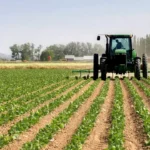
Agriculture remains a vital sector in Kajiado County, providing livelihoods for a significant portion of the population. The strategic plan emphasizes the importance of agricultural value addition as a means of enhancing food security and increasing the income of farmers. This includes initiatives to promote agro-processing industries, improve access to markets, and support the adoption of modern farming techniques.
The county government plans to collaborate with agricultural research institutions, private sector partners, and development agencies to implement programs that improve crop yields, diversify agricultural production, and reduce post-harvest losses. These efforts are expected to boost the productivity and profitability of the agricultural sector, contributing to the county’s overall economic growth.
Conclusion: A Blueprint for Sustainable Development
The Kajiado County Investment Authority Strategic Plan (2024-2029) represents a comprehensive and forward-looking approach to economic development. By focusing on key sectors such as livestock, infrastructure, tourism, mining, and agriculture, the plan aims to unlock the county’s full economic potential while ensuring that growth is sustainable and inclusive.
The strategic plan’s success will depend on the effective implementation of the initiatives outlined, as well as the continued support of investors, development partners, and the local community. With the right combination of leadership, legislation, and investment, Kajiado County is well-positioned to become a leading destination for investment in Kenya and the broader East African region.
As Governor Joseph ole Lenku and his team move forward with the implementation of the strategic plan, they will be closely monitoring progress and making adjustments as needed to ensure that the county’s development goals are met. The plan’s launch marks the beginning of an exciting new chapter for Kajiado County, one that promises to bring prosperity and improved quality of life to its residents while preserving the county’s unique natural and cultural heritage.
Photo source: Google
By: Montel Kamau
Serrari Financial Analyst
27th August, 2024