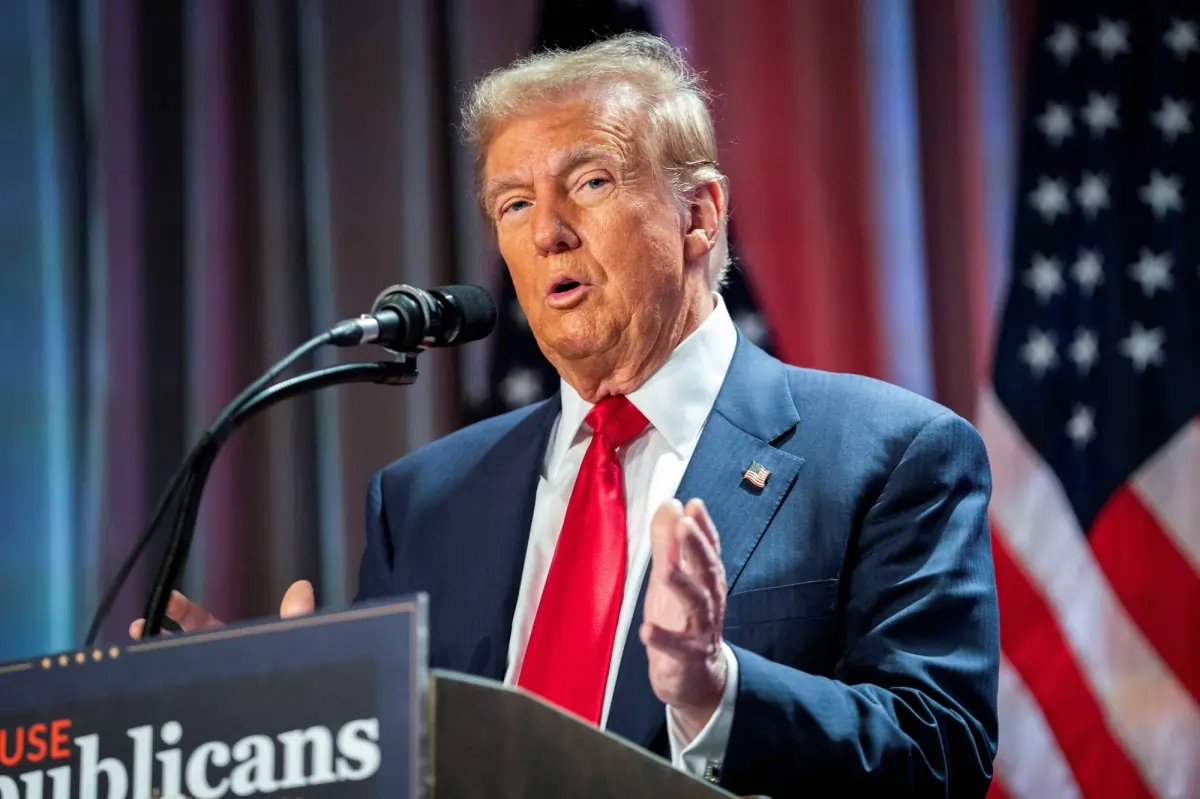
In the wake of President Donald Trump’s inauguration, Japan’s premier business federation, Keidanren, has called upon the new U.S. administration to cultivate a business climate conducive to mutual investments. Masakazu Tokura, Keidanren’s chairman, emphasized the importance of predictable policies that instill confidence in businesses considering cross-border ventures.
This appeal follows a contentious decision by former President Joe Biden, who, on January 3, 2025, blocked Nippon Steel Corporation’s proposed $14.9 billion acquisition of United States Steel Corporation (U.S. Steel), citing national security concerns. The move has sparked legal challenges and raised questions about the future of foreign direct investment (FDI) between the two nations.
Legal Repercussions and Industry Response
The Biden administration’s decision to block Nippon Steel’s acquisition sent shockwaves through the global business community. The official justification was to safeguard national security, a rationale that has often been invoked for restricting foreign access to key industries. However, this particular decision has been met with criticism from Japanese business leaders, who argue that such measures disrupt long-standing partnerships and undermine trust between the two nations.
In response to the blockade, both Nippon Steel and U.S. Steel have initiated lawsuits against the U.S. government, alleging that the decision was influenced by political motives rather than genuine security threats. The companies argue that the intervention jeopardizes billions in planned investments aimed at modernizing U.S. Steel’s aging infrastructure and safeguarding thousands of unionized jobs. Legal analysts believe this case could set a precedent for how future cross-border mergers and acquisitions are handled, especially in sectors deemed critical to national security.
Despite the setback, Nippon Steel has expressed a willingness to collaborate with the Trump administration to revisit the acquisition, underscoring its commitment to bolstering the U.S. steel industry and supporting American workers. Executives from Nippon Steel highlighted their plans to introduce advanced technologies and streamline operations at U.S. Steel facilities, which they argue would strengthen the competitiveness of the U.S. steel industry in the global market.
Implications for U.S.-Japan Economic Relations
Japan has consistently been a leading source of FDI in the United States. Data from the Japan External Trade Organization (JETRO) indicates that Japanese direct investment in the U.S. reached a record $721 billion in 2021, a threefold increase from 2009. This substantial investment has played a pivotal role in job creation and economic growth across various U.S. states. Japanese automakers, technology firms, and industrial conglomerates have established a significant presence, contributing to local economies and fostering innovation.
The recent obstruction of Nippon Steel’s acquisition has prompted concerns among Japanese business leaders about the stability and openness of the U.S. investment landscape. Tokura highlighted the robust commercial ties between the two nations and urged the Trump administration to implement policies that enhance predictability and encourage confident business investments.
Japanese companies have historically viewed the U.S. as a stable and reliable partner for economic ventures. However, the Biden administration’s intervention has introduced an element of uncertainty, with some Japanese firms reconsidering their expansion plans in the U.S. Tokura’s remarks reflect a broader sentiment among Japanese executives who are keen to avoid politicized disruptions to business activities.
Political Dynamics and National Security Considerations
The decision to block the acquisition was influenced by apprehensions regarding national security and the preservation of domestic control over critical industries. President Biden, during his tenure, emphasized the necessity of maintaining U.S. Steel as an American-owned entity, reflecting a broader strategy to protect key sectors from foreign dominance. This move is consistent with the U.S. government’s stance in recent years, where national security considerations have increasingly shaped decisions on foreign acquisitions.
Labor unions such as the United Steelworkers (USW) also played a pivotal role in shaping the narrative against the acquisition. The union expressed concerns that foreign ownership could undermine the domestic steel industry’s stability and the welfare of its workforce. USW President David McCall remarked that Biden’s decision “should end the debate,” reinforcing the union’s position on maintaining domestic ownership of critical infrastructure.
While the national security argument holds weight, critics argue that such policies risk alienating allies like Japan, whose investments have historically bolstered the U.S. economy. Some analysts believe that a more nuanced approach is needed—one that balances security concerns with the economic benefits of foreign investment.
Future Outlook and Strategic Considerations
As the Trump administration assumes office, the approach to foreign acquisitions and FDI policies remains a subject of close scrutiny. While the previous administration adopted a cautious stance toward foreign takeovers, especially in sectors deemed vital to national security, it is yet to be seen how the new administration will navigate these complex issues.
Masakazu Tokura’s call for greater predictability in U.S. policies underscores the importance of stability in fostering international business relationships. For Japanese companies, the ability to operate in a predictable regulatory environment is crucial for planning long-term investments. The Nippon Steel-U.S. Steel case has highlighted the risks associated with abrupt policy shifts, and business leaders are urging the Trump administration to prioritize transparency and collaboration in its dealings with foreign investors.
The outcome of the legal proceedings initiated by Nippon Steel and U.S. Steel could set significant precedents for future foreign investments in the United States. A favorable resolution may reaffirm the U.S. commitment to open markets and international partnerships, while an adverse outcome could signal a more protectionist approach, potentially deterring foreign investors.
The Role of Bilateral Cooperation in Economic Growth
Historically, the U.S. and Japan have enjoyed a strong economic partnership characterized by mutual investment and trade. Japanese automakers, for example, have invested heavily in manufacturing facilities across the U.S., creating thousands of jobs and supporting local economies. Similarly, Japanese technology firms have played a vital role in driving innovation and enhancing the U.S.’s global competitiveness.
Tokura emphasized the need to build on this legacy of cooperation, calling for policies that not only protect national interests but also recognize the value of strategic alliances. He noted that Japan’s investments in the U.S. have consistently supported economic growth, with Japanese firms contributing to infrastructure development, technological advancements, and workforce training.
In this evolving landscape, stakeholders from both nations are advocating for policies that balance national security interests with the economic benefits of foreign investment. The emphasis is on fostering an environment where strategic partnerships can thrive, contributing to the prosperity and security of both the United States and Japan.
Conclusion
The Nippon Steel-U.S. Steel acquisition controversy has brought to the forefront critical questions about the future of foreign investment in the United States. As the Trump administration begins its tenure, the global business community will be watching closely to see how it addresses the challenges of balancing national security with economic openness.
For Japan, the stakes are high. Keidanren’s call for predictability and collaboration reflects the broader aspirations of Japanese businesses that view the U.S. as a key partner. Ensuring a stable and welcoming investment climate will be essential not only for preserving the strong economic ties between the two nations but also for fostering innovation and growth in a rapidly changing global economy.
In the coming months, the outcomes of ongoing legal disputes, coupled with policy decisions by the Trump administration, will shape the trajectory of U.S.-Japan economic relations. With both nations standing to gain from a robust and cooperative partnership, the importance of fostering trust and mutual understanding cannot be overstated.
photo source: Google
By: Montel Kamau
Serrari Financial Analyst
20th January, 2024