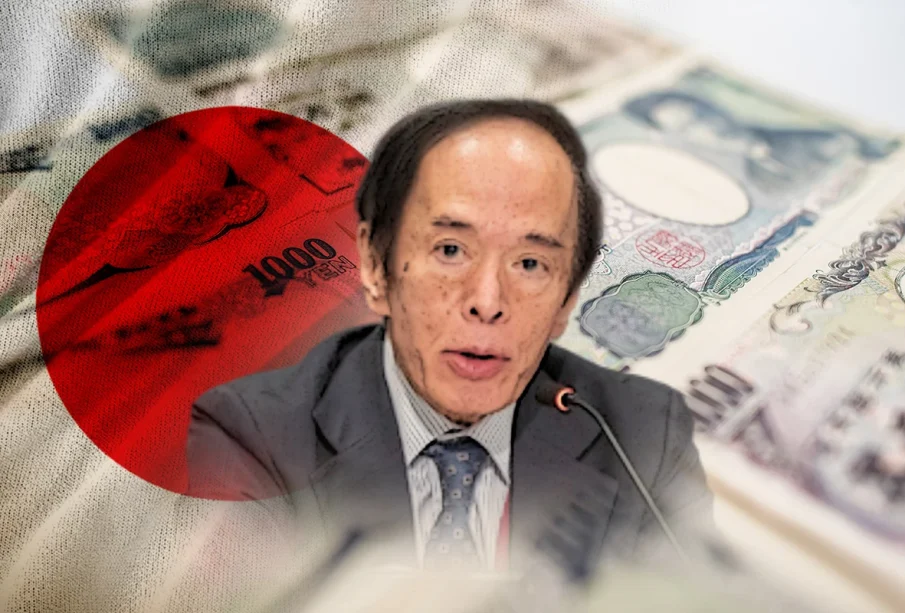
Japan’s economy delivered a pleasant surprise in the second quarter of 2025, growing much faster than economists anticipated despite mounting trade pressures from the United States. The robust performance has renewed confidence in the world’s fourth-largest economy and strengthened the case for potential interest rate increases by the Bank of Japan later this year.
Push boundaries, reach goals, achieve more. Whether it’s ACCA, HESI A2, ATI TEAS 7, HESI EXIT, NCLEX-RN, NCLEX-PN, or Financial Literacy, we’ve got the Online course to match your ambition. Start with Serrari Ed now.
Strong GDP Performance Exceeds Market Expectations
Gross domestic product (GDP) rose 1.0% on an annualized basis in the April-June period, government data revealed on Friday, significantly outpacing the median market forecast of 0.4% growth. This marked the fifth consecutive quarter of economic expansion, a remarkable achievement given the challenging global economic environment. The quarterly growth rate translates to 0.30 percent expansion, as confirmed by official Japanese economic data.
The quarterly growth rate of 0.3% also surpassed expectations, beating the consensus estimate of just 0.1%. More significantly, the previous quarter’s performance was revised upward from a 0.2% contraction to a 0.6% expansion, painting an even more positive picture of Japan’s economic trajectory.
Export Resilience Despite U.S. Tariff Pressures
The standout performer in Japan’s economic growth story was the export sector, which demonstrated remarkable resilience in the face of new U.S. trade barriers. Net external demand – the difference between exports and imports – contributed 0.3 percentage points to overall growth, a dramatic turnaround from the 0.8 percentage point negative contribution recorded in the January-March period.
This export strength came despite the implementation of 25% U.S. tariffs on Japanese automobiles and auto parts in April, along with threats of similar levies on most other Japanese imports. The automotive sector, which represents Japan’s largest export industry, has managed to weather this storm primarily by absorbing additional tariff costs rather than passing them on to American consumers.
Strategic Response to Trade Challenges
Japanese automakers have adopted a strategic approach to maintain their competitive position in the crucial U.S. market. Rather than immediately raising prices, companies have chosen to cut their profit margins to keep their vehicles affordable for American buyers. This decision reflects the critical importance of the U.S. market to Japanese manufacturers and their commitment to maintaining production levels at domestic plants.
However, industry experts warn that this approach is not sustainable in the long term. “The April-June data masked the real effect of Trump’s tariffs,” explained Takumi Tsunoda, senior economist at Shinkin Central Bank Research Institute. “Exports were strong thanks to solid car shipment volumes and last-minute demand from Asian tech manufacturers ahead of some sectoral tariffs. But these aren’t sustainable at all.”
Diplomatic Success: U.S.-Japan Trade Agreement
A significant development that has helped stabilize Japan’s economic outlook was the U.S.-Japan trade agreement reached in July. This diplomatic breakthrough resulted in a reduction of tariffs from the initially threatened 25% to a more manageable 15%, in exchange for Japan’s commitment to a substantial $550 billion investment package in U.S.-bound projects.
This agreement represents a crucial victory for Japanese diplomacy and provides some breathing room for the country’s exporters. As detailed in the official White House fact sheet, the investment package demonstrates Japan’s commitment to strengthening economic ties with the United States while securing more favorable trade terms for its companies. However, some U.S. automakers have expressed concerns about the competitive disadvantages the deal may create for American manufacturers.
Domestic Demand Shows Encouraging Signs
Beyond exports, Japan’s domestic economy also displayed positive momentum. Private consumption, which accounts for more than half of the country’s economic output, rose 0.2% in the second quarter, matching the previous quarter’s pace and slightly exceeding market expectations of 0.1% growth.
This consumption growth is particularly significant given the persistent inflationary pressures that have been weighing on household purchasing power. The Bank of Japan closely monitors consumption and wage trends as key indicators of economic strength and important factors in determining the timing of monetary policy adjustments.
Capital Investment Surge
Capital expenditure emerged as a standout performer, rising 1.3% in the second quarter and far exceeding the Reuters poll estimate of 0.5% growth. This robust business investment indicates corporate confidence in Japan’s economic prospects and suggests that companies are willing to expand capacity and modernize operations despite global uncertainties.
The strong capital spending figures are particularly encouraging for policymakers, as business investment is considered a key driver of sustainable economic growth and productivity improvements. This investment boom could help Japan maintain its competitive edge in key industries while supporting employment and wage growth.
Build the future you deserve. Get started with our top-tier Online courses: ACCA, HESI A2, ATI TEAS 7, HESI EXIT, NCLEX-RN, NCLEX-PN, and Financial Literacy. Let Serrari Ed guide your path to success. Enroll today.
Regional Economic Context
Japan’s strong performance stands in stark contrast to economic developments elsewhere in Asia. China, the region’s largest economy, has been experiencing significant challenges, with factory output growth hitting an eight-month low and retail sales slowing sharply in July. This divergence highlights Japan’s relative economic resilience and the effectiveness of its policy responses to global trade tensions.
The contrast with China is particularly noteworthy given the interconnected nature of Asian economies. Japan’s ability to maintain growth momentum while its largest regional trading partner faces headwinds demonstrates the diversification and strength of its economic base.
Bank of Japan Policy Implications
The robust GDP data has strengthened expectations that the Bank of Japan may resume interest rate increases later this year. The central bank has been carefully monitoring economic indicators to determine the appropriate timing for monetary policy normalization, and the latest figures provide additional confidence in the economy’s underlying strength. Currently, Japan’s benchmark interest rate stands at 0.50 percent, following the historic end to negative interest rates earlier this year.
Governor Kazuo Ueda and his colleagues at the BOJ have emphasized the importance of sustainable growth and stable inflation in their policy deliberations. The combination of export resilience, domestic demand growth, and business investment expansion creates favorable conditions for potential rate adjustments, though the central bank has indicated it will continue to raise rates only if economic and price forecasts are realized.
Government Response and Future Outlook
Economy Minister Ryosei Akazawa expressed cautious optimism about the latest results while acknowledging ongoing challenges. “The latest GDP results confirmed that the country’s economy was recovering modestly,” he stated at a press conference. “Looking ahead, we expect better employment and income conditions and policy measures to support the modest recovery.”
However, Akazawa also highlighted the need for continued vigilance regarding downside risks from U.S. trade policies. The government estimates that U.S. tariffs could reduce Japan’s real GDP by 0.3-0.4%, underscoring the importance of the recent trade agreement in limiting potential damage.
Revised Growth Forecasts
Reflecting the mixed outlook, the government recently adjusted its inflation-adjusted growth forecast for the current fiscal year to 0.7% from the initially projected 1.2%. This revision acknowledges that while the economy has shown resilience, ongoing trade tensions and persistent inflation are likely to constrain growth in the coming months.
Challenges Ahead
Despite the positive second-quarter results, economists warn of potential headwinds in the months ahead. As Japanese companies begin passing on tariff costs to American consumers, export volumes may decline, potentially weighing on overall economic growth.
“It’s possible the economy could slip into decline in the July-September quarter as exports slow,” warned Shinichiro Kobayashi, principal economist at Mitsubishi UFJ Research and Consulting. This assessment reflects concerns that the current export strength may prove temporary as market dynamics adjust to new trade realities.
The Consumption Key
Kobayashi and other economists emphasize that sustainable economic recovery will ultimately depend on stronger private consumption. “For the economy to fully pick up, private consumption holds the key,” he noted. “Consumption could improve towards the end of the year as inflation gradually slows and sentiment recovers.”
This focus on consumption highlights a critical challenge for Japanese policymakers: ensuring that economic growth translates into meaningful improvements in household income and purchasing power. Without stronger domestic demand, Japan’s economy remains vulnerable to external shocks and trade disruptions.
Looking Forward
Japan’s second-quarter GDP performance provides grounds for optimism while highlighting the complex challenges facing the world’s fourth-largest economy. The combination of export resilience, business investment growth, and diplomatic success in trade negotiations demonstrates the country’s ability to adapt to changing global conditions.
However, the sustainability of this growth trajectory will depend on several factors, including the evolution of U.S.-Japan trade relations, the health of global demand, and the domestic economy’s ability to generate stronger consumption growth. As Japan navigates these challenges, the latest GDP figures offer encouraging evidence of the economy’s underlying resilience and adaptability in an increasingly uncertain global environment.
Ready to take your career to the next level? Join our Online courses: ACCA, HESI A2, ATI TEAS 7 , HESI EXIT , NCLEX – RN and NCLEX – PN, Financial Literacy!🌟 Dive into a world of opportunities and empower yourself for success. Explore more at Serrari Ed and start your exciting journey today! ✨
Track GDP, Inflation and Central Bank rates for top African markets with Serrari’s comparator tool.
See today’s Treasury bonds and Money market funds movement across financial service providers in Kenya, using Serrari’s comparator tools.
Photo source: Google
By: Montel Kamau
Serrari Financial Analyst
18th August, 2025