The ongoing Israel-Hamas conflict has drawn the attention of the World Bank, which has issued a warning about the potential implications for global oil prices and commodity markets, highlighting the existing six percent rise in oil prices as a precursor to further instability.
The latest bout of hostilities began when Hamas militants from Gaza launched an audacious attack on southern Israel, resulting in the tragic loss of over 1,400 lives, predominantly civilians. Concurrently, nearly 240 hostages were taken by the militants, according to Israeli authorities.
In response to this aggression, Israel initiated an intense bombardment campaign on Gaza. The conflict’s human toll has been substantial, with the Hamas-run health ministry reporting over 8,000 casualties, including approximately half being children.
The Israel-Hamas conflict occurs against the backdrop of the ongoing Russia-Ukraine war, an event characterized by the World Bank’s chief economist, Indermit Gill, as “the most significant shock to commodity markets since the 1970s.” This global conflict’s enduring economic disruptions have raised concerns.
Gill stresses the need for vigilance among policymakers, cautioning that should the conflict escalate, the global economy could be confronted with a dual energy shock—a consequence of both the Ukraine conflict and the turmoil in the Middle East.
The potential impact on oil and commodity prices is contingent on numerous factors, including world oil prices and exports. In an optimistic scenario, oil prices could experience a moderate increase of 3% to 13%, reaching a range of $93 to $102 per barrel. Alternatively, a median projection envisions prices rising to $121 per barrel. In the worst-case scenario, oil prices could surge to between $140 and $157 per barrel, potentially surpassing the previous all-time highs recorded in 2008.
The evolving situation underscores the complex interplay between geopolitical tensions and the intricate dynamics of energy markets and global trade. Market participants and stakeholders should remain agile and ready to adapt to the shifting global business landscape, all while monitoring the potential impacts of these geopolitical conflicts.
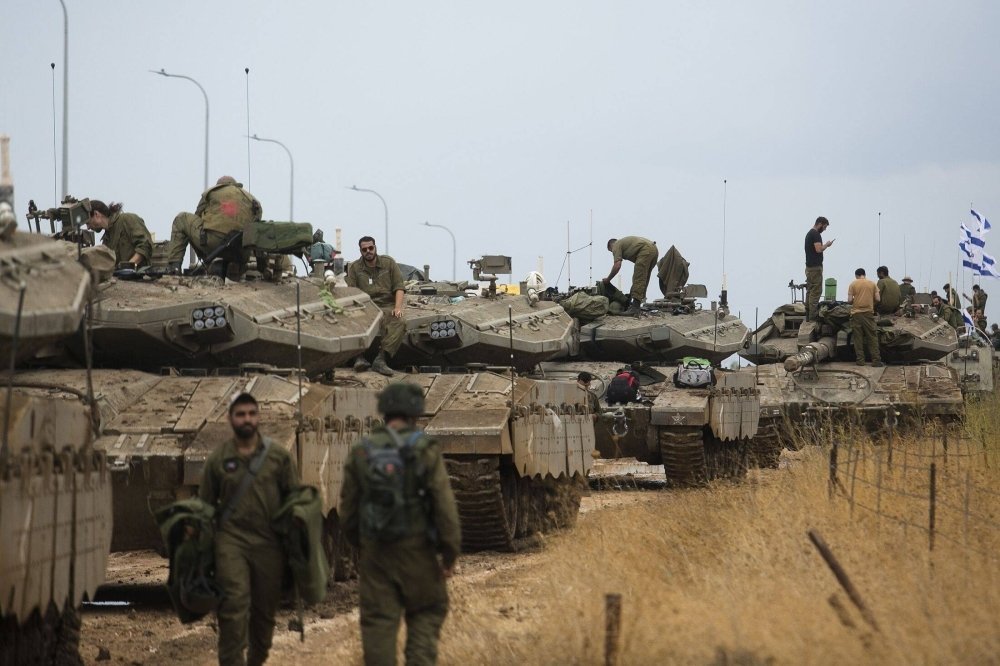
Photo (BY FIONA MACDONALD)
By: Montel Kamau
Serrari Financial Analyst
30th October, 2023