Overview: A Game-Changing Corridor
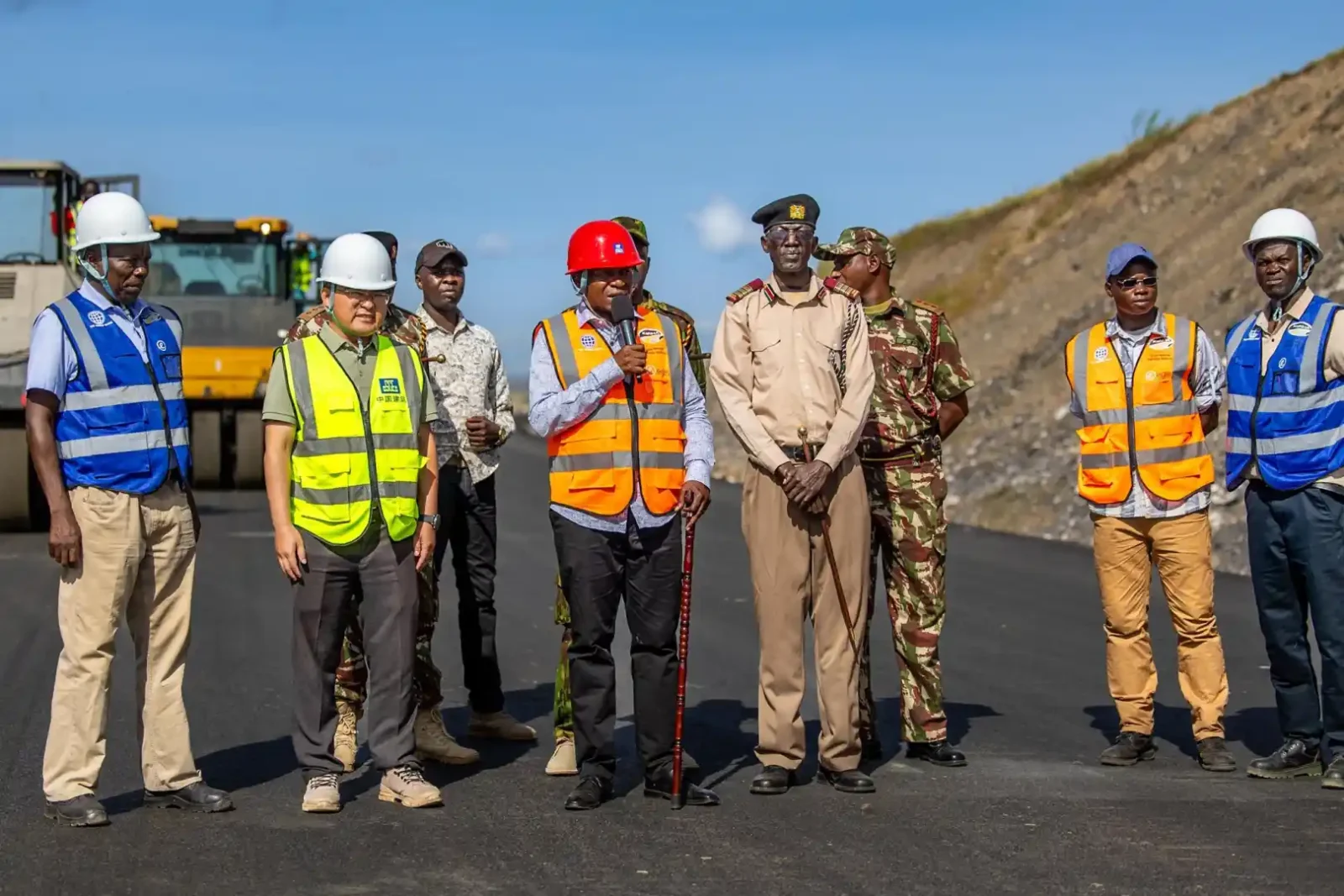
Deputy President Kithure Kindiki declared on 27 May 2025 that the 749 km Isiolo–Mandera Road, under construction at an estimated KSh 85–100 billion (US $625–735 million), will be a “game changer” for northern Kenya. Traversing Isiolo, Garissa, Wajir, and Mandera counties, the upgraded highway promises to unlock vast economic potential by connecting once-remote communities to national and regional markets, boosting trade with Ethiopia and Somalia, and creating tens of thousands of jobs. (Kenyans, The Star)
Phased Construction and Funding Mix
Kenya National Highways Authority (KeNHA) has divided the project into four main phases:
- Phase 1: Isiolo–Kulamawe–Modogashe (200 km), 40 percent complete as of May 2025.
- Phase 2: Modogashe–Samatar–Wajir corridor (approx. 200 km).
- Phase 3: Wajir–Tarbaj–Kutulo–El Wak (approx. 200 km).
- Phase 4: El Wak–Rhamu–Mandera (149 km), recently funded by a KSh 27.5 billion (US $215 million) African Development Bank (AfDB) loan to rehabilitate this security-sensitive stretch. (Hiiraan Online)
In September 2020, the World Bank approved a KSh 81.3 billion (US $756 million) loan to upgrade 365 km of the corridor to bitumen standard, complete with culverts, drains, and shoulders. The remaining 383 km have since attracted additional funding from AfDB and national coffers, bringing the total investment to roughly KSh 85 billion (US $625 million).
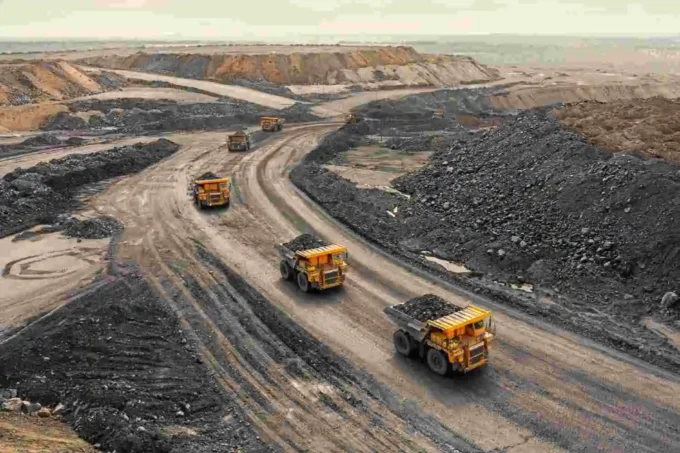
Construction is spread across 11 domestic and international contractors, including Jiangxi Construction Engineering (US $46 million contract for a 38 km section), Lilaaf Construction, China Road & Bridge Corporation, and local firms. Work is expected to finish by 2027, marking the longest single road upgrade in Kenyan history. (Africa Intelligence, The Star)
Economic Integration and Regional Trade
The road is a keystone of Kenya’s Vision 2030 and the Lamu Port–South Sudan–Ethiopia–Transport (LAPSSET) Corridor, aiming to transform northern Kenya into a logistics and manufacturing hub. By slashing travel times—currently 4.7 hours between Isiolo and Mandera—by up to 30 percent, it will reduce vehicle operating costs, lower prices for consumers, and enhance exporter competitiveness.
Cross-border connectivity is equally vital. Neighboring Ethiopia and Somalia will gain overland access to the Kenyan port of Mombasa, stimulating agribusiness exports (e.g., gum arabic, livestock) and formalizing trade that once relied on informal caravan routes. Under the African Continental Free Trade Area (AfCFTA), the upgraded road will bolster intra-African trade—projected to rise by 52 percent by 2030—by easing the movement of goods across East Africa.
Connectivity and Social Services
Beyond freight, the highway will improve access to critical services:
- Electricity: The government has earmarked KSh 1.1 billion (US $8 million) to extend the national grid to Isiolo County, while solar microgrids will power remote towns like Modogashe and El Wak.
- Digital Infrastructure: A parallel optical fibre backbone will support 4G/5G mobile coverage, enabling e-health consultations and digital learning platforms for pastoralist communities.
- Healthcare & Education: Shorter travel times to district hospitals in Garissa and Wajir will improve maternal and emergency care, while upgraded roads allow teachers to reach rural schools year-round—even during the rainy season. (Kenyans)
Socio-Economic Impact: Jobs and Growth
The road’s construction phase has already employed 5,000–7,000 workers, with local quotas ensuring that 70 percent of labour is drawn from surrounding counties. Upon completion, the corridor is expected to support:
- 15,000 direct jobs in logistics, hospitality, and retail.
- 20,000 indirect jobs in manufacturing, agri processing, and services.
- SME growth, as roadside markets and service stations flourish in towns like Habaswein, Kutulo, and Rhamu.
Security Enhancement and Community Safety
Northern Kenya has faced security challenges—banditry, cattle rustling, and cross-border incursions. The new highway is being built alongside:
- Police posts and rapid-response units every 50 km.
- CCTV surveillance and emergency call boxes in volatile stretches like El Wak–Rhamu.
- A security task force drawn from National Police Service and county administrations, which has enabled AfDB–backed works to resume after earlier delays. (Hiiraan Online)
These measures not only protect contractors and travelers but also foster a stable environment for long-term investment.
Environmental and Cultural Considerations
Environmental Impact Assessments (EIAs) guided the project design to minimize disruption in sensitive areas:
- Ewaso Nyiro River Crossings: Special bridges and culverts preserve natural water flows, supporting wildlife corridors for elephants and giraffes.
- Karasani and Tule Camps: Rest areas built for nomadic herders incorporate traditional “manyattas” (temporary homesteads) into rest-stop design, providing safe, weatherproof shelters.
- Dust Control: Regular watering and vegetation buffers near settlements reduce dust pollution, protecting respiratory health in towns like Mandera.
Challenges and Mitigation Strategies
Price Volatility – Fuel and asphalt prices have swung up to 20 percent year-on-year. Long-term supply contracts and local bitumen blending plants (planned near Wajir) help stabilize costs.
Rainy-Season Delays – Work schedules incorporate buffer periods around the April–June and October–December rains. Elevated embankments reduce washouts.
Cross-Border Coordination – Joint border committees with Ethiopia and Somalia ensure seamless customs and immigration services at Mandera–Somalia and Rhamu–Ethiopia crossings, with harmonized transit corridors under the IGAD framework.
Community Expectations – Employment quotas, skills-training centers in Habaswein, and local procurement targets (30 percent of materials sourced regionally) address concerns about outside contractors capturing benefits.
Human Stories: Voices from the Frontier
- Amina Yusuf, a maize trader in El Wak, says the new road cut her journey to Nairobi markets from two days to one, halving transport costs and boosting her profit margins by 25 percent.
- Mohammad Abdalla, a mechanic in Wajir, has expanded his workshop to service heavy trucks, employing five apprentices—tripling his household income.
- Chief Maalim Jarso of Garissa County highlights how periodic isolation during floods crippled local clinics; “Once the tarmac is in place, ambulances will reach patients without impassable detours.”
These micro-narratives underscore how infrastructure investment transforms lives beyond macroeconomic projections.
Next Steps: From Asphalt to Prosperity
- Completion by 2027: Full bitumen surfacing and service lanes to be finalized.
- Economic Zoning: Five Industrial Parks—in Isiolo, Garissa, Wajir, El Wak, and Mandera—are being developed under the Special Agro-Industrial Processing Zones (SAPZ) initiative, adding value to gum arabic, livestock, and vegetable exports.
- Digital Hubs: Four Tech Incubators will launch along the corridor, offering co-working spaces and connectivity powered by the new fibre network.
- Tourism Boost: Easier access to Samburu, Buffalo Springs, and Lag Badana (across the Somalia border) will diversify revenue streams into hospitality and cultural tourism.
Conclusion: A New Era for Northern Kenya
The Isiolo–Mandera Road epitomizes Kenya’s broader push to leave no region behind. By knitting together sparse, arid landscapes with robust road, energy, and digital infrastructure, the project promises not only to open northeastern Kenya to markets and services but also to redefine its socio-economic trajectory.
As Deputy President Kindiki put it, “This is not just tarmac; it is the thread that will weave northern Kenya’s potential into the national tapestry—creating jobs, fostering security, and laying the foundation for inclusive prosperity.” When the first vehicles roll uninterrupted from Isiolo to Mandera, they will carry more than cargo—they will carry the hopes of millions for a brighter future.
Ready to take your career to the next level? Join our dynamic courses: ACCA, HESI A2, ATI TEAS 7 , HESI EXIT , NCLEX – RN and NCLEX – PN, Financial Literacy!🌟 Dive into a world of opportunities and empower yourself for success. Explore more at Serrari Ed and start your exciting journey today! ✨
Photo source: Google
By: Montel Kamau
Serrari Financial Analyst
28th May, 2025