💡 Quick Answer:
Insurance exclusions are situations, risks, or events that an insurance policy does NOT cover.
They matter because if something falls under an exclusion, the insurance company will not pay the claim.
Insurance companies in Kenya are regulated by the Insurance Regulatory Authority.
Imagine This
You buy insurance for your car.
Later, your car is damaged in an accident and you make a claim.
But the insurer refuses to pay because the accident happened while the driver was not licensed.
This situation may fall under an insurance exclusion.
What Are Insurance Exclusions?
Insurance exclusions are specific conditions listed in an insurance policy that the insurer will not cover.
They exist to:
✔ limit certain risks
✔ prevent fraud
✔ keep insurance affordable
Every insurance policy contains terms and exclusions that policyholders must understand.
Common Types of Insurance Exclusions
Different types of insurance have different exclusions.
1️⃣ Illegal Activities
Most insurance policies do not cover incidents that occur during illegal activities.
Examples include:
- driving under the influenc
- using a vehicle for illegal purposes
- fraud-related incidents
Insurance companies will usually reject claims related to illegal actions.
2️⃣ Lack of Required Documentation
If the policyholder fails to provide required documents, the claim may be rejected.
Examples include:
- missing police reports
- incomplete claim forms
- lack of proof of damage
Documentation helps insurers verify claims.
3️⃣ Uninsured Drivers (Motor Insurance)
Motor insurance policies may exclude coverage if the driver:
- does not have a valid driving license
- was not authorized to drive the vehicle
This can affect whether the insurer pays the claim.
4️⃣ Pre-existing Conditions (Health Insurance)
Some health insurance policies exclude medical conditions that existed before the policy was purchased.
Example:
A person buys health insurance after being diagnosed with a chronic illness.
The insurer may not cover treatment related to that condition.
5️⃣ Specific Risk Exclusions
Some policies exclude certain risks such as:
- natural disasters
- war or terrorism
- specific medical treatments
These exclusions vary depending on the policy.
Example
Imagine a car insurance policy that excludes driving under the influence.
If a driver causes an accident while intoxicated:
| Scenario | Claim Outcome |
| Accident under normal conditions | Claim may be paid |
| Accident while intoxicated | Claim may be rejected |
This is because intoxicated driving is usually an insurance exclusion.
Why Insurance Exclusions Matter
Understanding exclusions helps policyholders:
✔ avoid unexpected claim rejections
✔ understand what risks are covered
✔ choose the right insurance policy
Many claim disputes happen because people did not fully understand the exclusions.
How to Identify Exclusions in a Policy
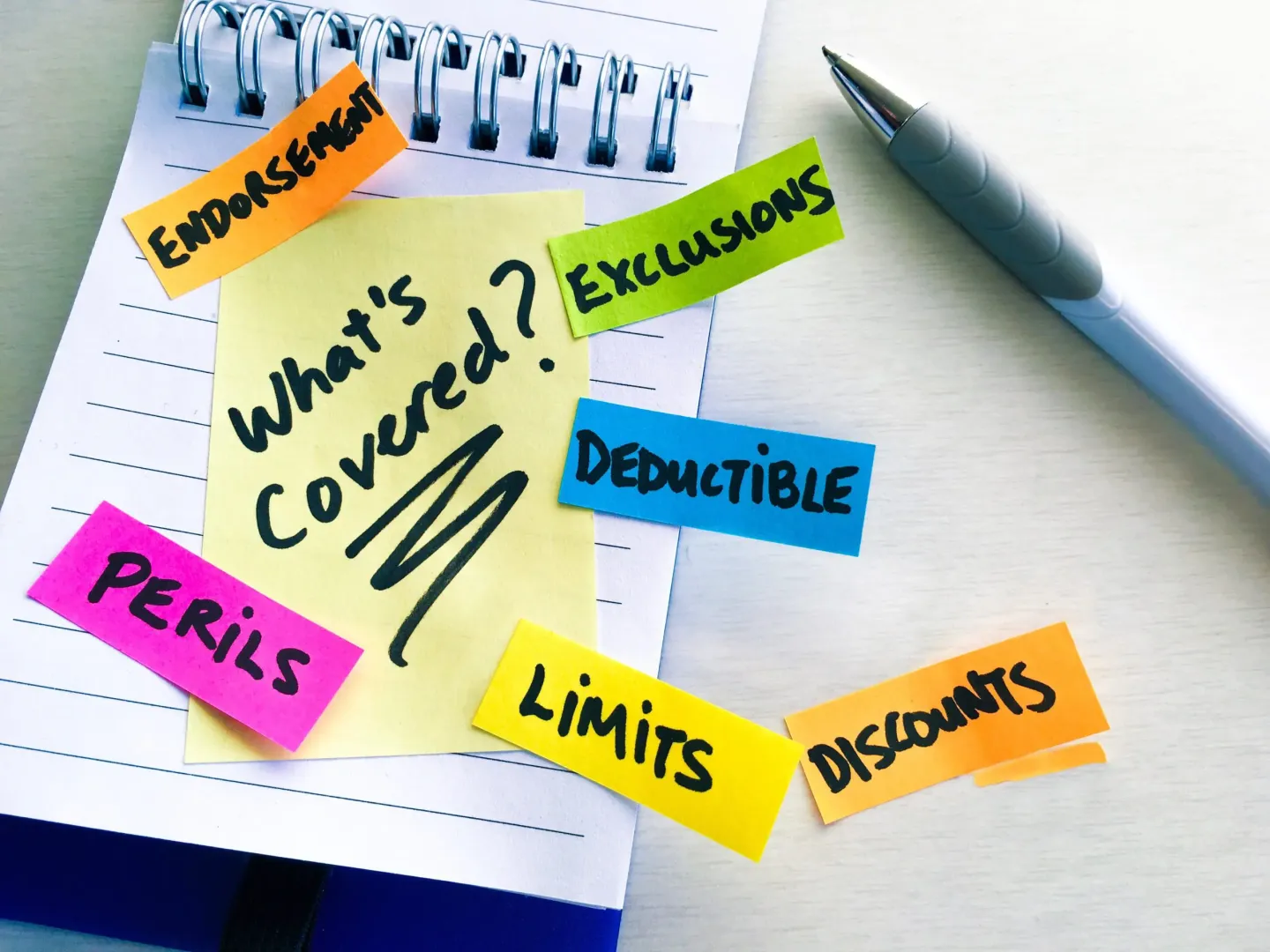
When reviewing an insurance policy, look for sections titled:
- exclusions
- limitations
- conditions
Reading these sections carefully helps avoid surprises later.
Tips for Policyholders
Before purchasing insurance:
✔ read the policy document carefully
✔ ask the insurer about exclusions
✔ confirm what risks are covered
✔ understand claim requirements
This ensures you know exactly what protection the policy provides.
Frequently Asked Questions
Are exclusions the same for all insurance policies?
No. Different insurance products have different exclusions.
Can exclusions be removed?
Sometimes insurers offer optional coverage that reduces certain exclusions.
Why do insurers include exclusions?
Exclusions help insurers manage risk and keep premiums affordable.
Final Thoughts
Insurance exclusions are an important part of every insurance policy.
Understanding them helps policyholders know what is covered and what is not, reducing the risk of unexpected claim rejections.
Before purchasing insurance, always review the policy carefully to understand its coverage and limitations.
Quick Tip
If something in the policy is unclear, ask the insurer to explain the exclusions before signing the contract.
Photo Source: Google