
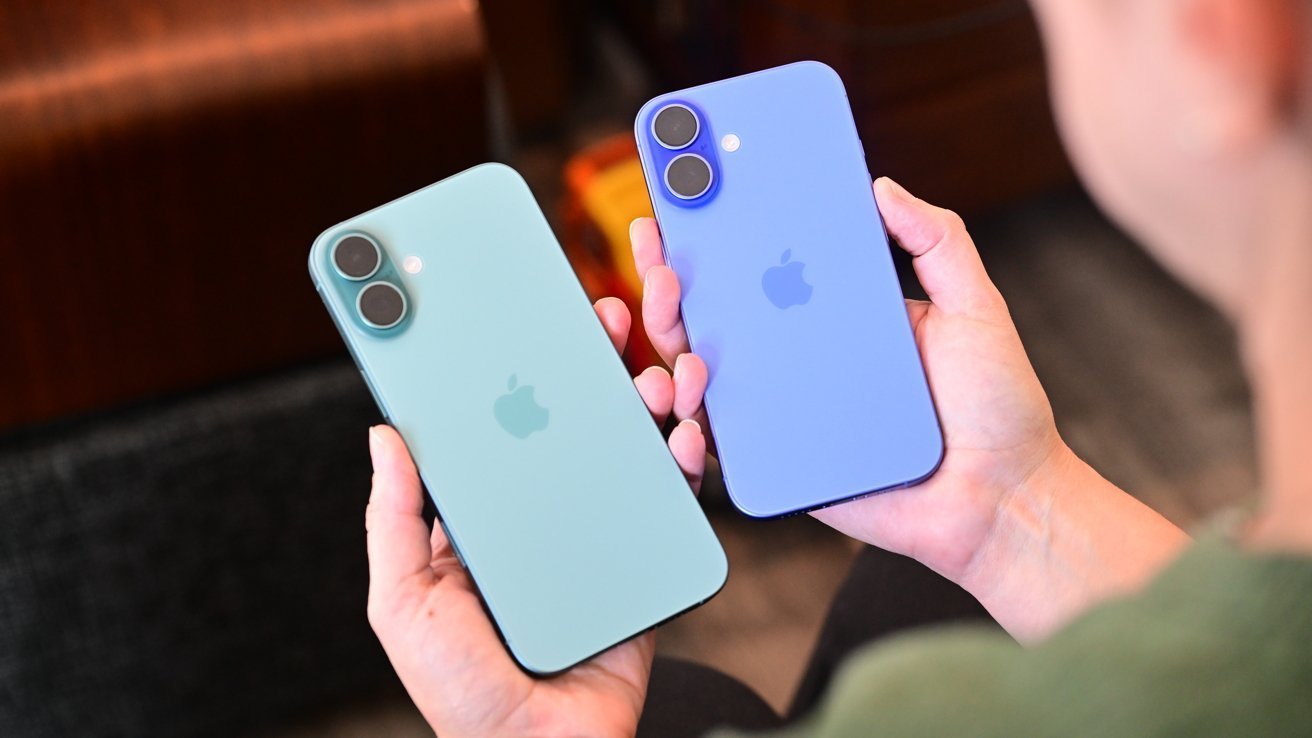
Indonesia has reaffirmed its ban on iPhone 16 sales, maintaining its stance despite Apple’s offer to invest $1 billion in the country. The ban, originally implemented in October 2024, arose from Apple’s failure to comply with Indonesia’s stringent local investment requirements, which mandate that 40% of smartphone components be locally sourced. The decision highlights Indonesia’s commitment to boosting its domestic manufacturing sector and enforcing regulations that prioritize local economic growth.
The Genesis of the Ban
Indonesia introduced the local sourcing requirement as part of its broader “Making Indonesia 4.0” initiative, aimed at transforming the country into a global manufacturing hub. This policy is designed to attract foreign direct investment (FDI), create jobs, and foster technological development by compelling multinational corporations to contribute meaningfully to the local economy.
Apple’s inability to meet this threshold for the iPhone 16 resulted in a sales ban, a move that sent ripples through both the tech and investment communities. While Apple offered to invest heavily in Indonesia, including building an AirTag manufacturing facility on Batam Island, the government determined that the proposal did not adequately address the core issue—local sourcing for phone components.
Apple’s Investment Proposal
Apple’s initial offer included a $1 billion investment to build an AirTag production facility on Batam Island, which would supply 65% of global demand for the product. Although this was a significant commitment, the Indonesian government maintained that AirTags, being accessories rather than integral phone components, do not fulfill the requirements stipulated for iPhone sales approval.
Industry Minister Agus Gumiwang Kartasasmita explained, “While Apple’s investment is welcomed, it must align with the primary objective of our regulations—developing local smartphone component manufacturing capabilities. AirTags are not a substitute for compliance in this regard.”
In November 2024, Apple proposed an additional $100 million investment to address the ban, but this too fell short of meeting the government’s expectations. Indonesia provided Apple with a counterproposal, urging the company to redirect its efforts toward initiatives that would directly contribute to local component production.
Broader Implications of the Ban
Indonesia’s firm stance on the iPhone 16 ban sends a clear message to multinational corporations: compliance with local regulations is non-negotiable. This approach aligns with the country’s broader efforts to strengthen its manufacturing base and reduce dependence on imported components.
The decision also underscores the challenges global tech giants face when navigating regulatory landscapes in emerging markets. Indonesia, Southeast Asia’s largest economy, represents a lucrative market for Apple, with a rapidly growing middle class and a rising appetite for premium smartphones. However, the ban has limited Apple’s ability to tap into this potential, with only around 9,000 iPhone 16 units entering the country through non-commercial channels since the ban’s implementation.
Comparative Policies in the Region
Indonesia is not alone in imposing such regulations. Several other Southeast Asian nations have implemented similar policies to promote local manufacturing. For instance:
- Vietnam: Vietnam has attracted significant FDI from tech giants like Samsung and Intel by offering incentives for companies that establish local manufacturing facilities.
- Thailand: The Thai government has implemented a “Thailand 4.0” strategy, encouraging investments in high-tech industries, including smartphone component production.
- India: India’s Production-Linked Incentive (PLI) scheme for smartphones has incentivized companies like Apple to manufacture devices domestically, creating a thriving ecosystem for local suppliers.
These policies reflect a broader regional trend of leveraging large consumer markets to compel multinational corporations to invest in local production.
Impact on Apple and Competitors
The sales ban on iPhone 16 has created an opening for Apple’s competitors to strengthen their foothold in the Indonesian market. Chinese smartphone manufacturers such as Oppo, Vivo, and Xiaomi have capitalized on their existing local production facilities to meet regulatory requirements and dominate the market.
Samsung, which has long invested in local manufacturing in Indonesia, has also benefited from Apple’s setback. The South Korean tech giant continues to enjoy strong sales, bolstered by its compliance with local regulations and its reputation for producing high-quality devices.
In contrast, Apple’s market share in Indonesia has remained relatively small compared to its global performance. The iPhone 16 ban risks further alienating Apple from a market that is increasingly embracing smartphones as essential tools for communication, business, and entertainment.
Google Pixel Ban and Industry Trends
Indonesia’s enforcement of local production requirements has not been limited to Apple. Google Pixel phones have also faced similar restrictions due to non-compliance. These bans illustrate the government’s commitment to leveling the playing field for all market players and ensuring that foreign companies contribute to the development of Indonesia’s tech ecosystem.
This approach has sparked debates about the balance between encouraging foreign investment and enforcing strict compliance measures. Critics argue that overly rigid regulations may deter multinational corporations from entering the market, potentially slowing innovation and technological advancement.
However, proponents believe that such measures are necessary to build a sustainable and self-reliant economy. They point to the success of local companies and the increasing number of jobs created through domestic manufacturing as evidence of the policy’s effectiveness.
The Road Ahead for Apple
Apple’s next steps will likely determine its long-term prospects in Indonesia. To regain access to the market, the company may need to establish partnerships with local suppliers or invest in facilities capable of producing smartphone components domestically.
Such moves would not only fulfill regulatory requirements but also align with global trends toward localizing supply chains. By reducing reliance on imported components, Apple could mitigate risks associated with geopolitical tensions and supply chain disruptions.
Additionally, Apple may explore collaborations with Indonesian universities and research institutions to develop a skilled workforce capable of supporting advanced manufacturing. This approach could strengthen the company’s ties to the local community while addressing one of the core challenges facing Indonesia’s tech industry—a shortage of skilled labor.
Conclusion
Indonesia’s decision to uphold the iPhone 16 sales ban, despite Apple’s significant investment offers, underscores the country’s unwavering commitment to its local sourcing regulations. While the move poses challenges for Apple, it also reflects a broader regional trend of leveraging market potential to drive local economic growth.
As Indonesia continues to enforce its policies, the tech industry will watch closely to see how Apple and other multinational corporations adapt. The outcome will not only shape the future of smartphone sales in Indonesia but also serve as a case study for balancing foreign investment with domestic development goals.
For now, Indonesia remains steadfast in its vision of becoming a global manufacturing powerhouse, and companies seeking access to its lucrative market will need to align their strategies accordingly.
Ready to take your career to the next level? Join our dynamic courses: ACCA, HESI A2, ATI TEAS 7 , HESI EXIT , NCLEX – RN and NCLEX – PN!🌟 Dive into a world of opportunities and empower yourself for success. Explore more at Serrari Ed and start your exciting journey today! ✨
photo source: Google
By: Montel Kamau
Serrari Financial Analyst
9th January, 2024