In a historic move to position itself as a key player in global climate initiatives, Indonesia has officially opened its carbon exchange to international buyers. The launch marks a significant expansion of the country’s existing carbon market, which was introduced in September 2023 for domestic participants. This development is a vital step toward achieving Indonesia’s ambitious climate goals, attracting foreign investment to fund the transition to renewable energy and other green initiatives.
A Bold Step in Climate Action
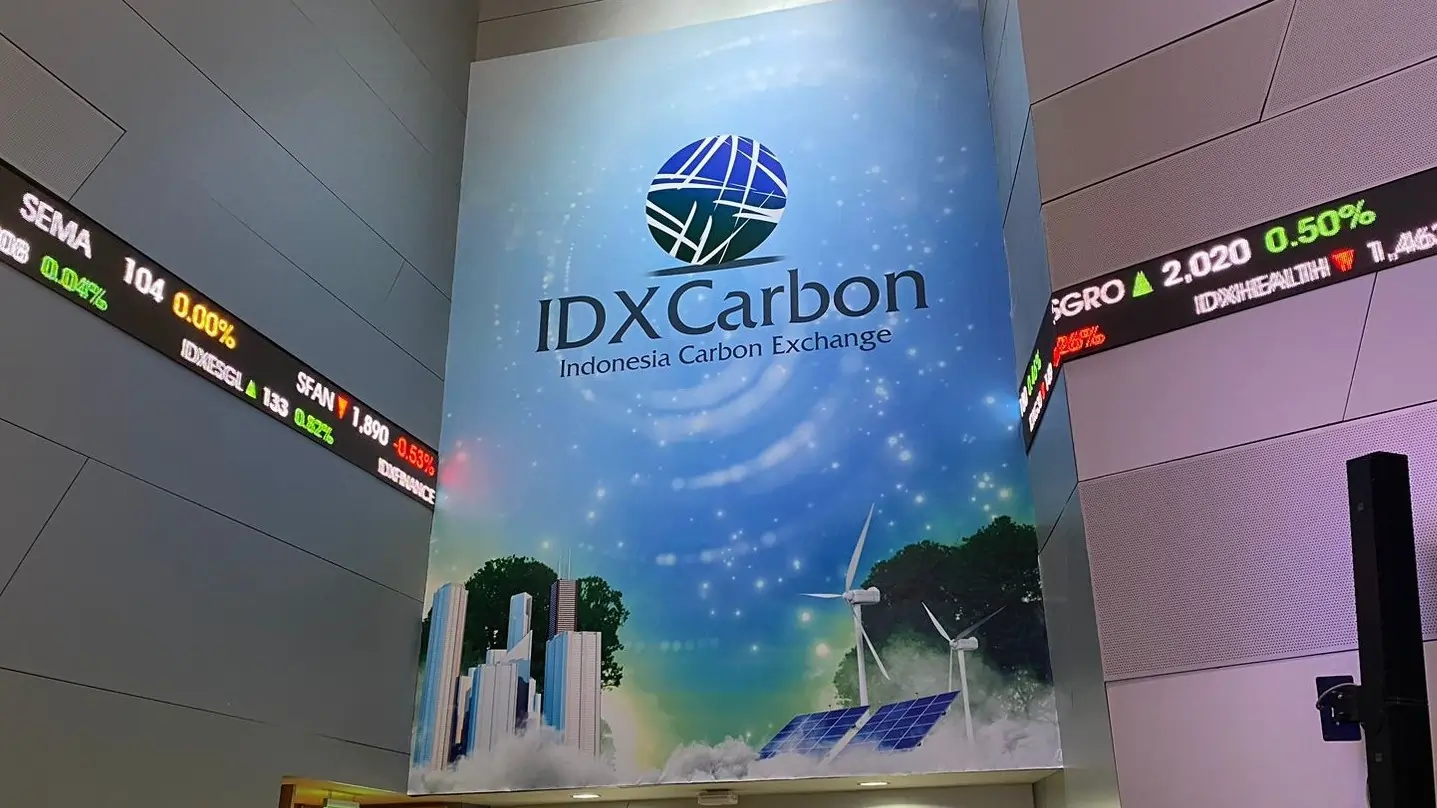
The Indonesian Carbon Exchange, referred to as IDXCarbon, facilitates the trading of carbon credits generated from activities that either reduce or prevent carbon dioxide emissions. These credits are a critical tool for companies aiming to offset their emissions and enhance their environmental credibility. With its vast forests and natural resources, Indonesia is uniquely positioned to generate significant carbon credits, making the nation an essential player in the global carbon market.
Indonesia’s decision to open its carbon exchange to international buyers aligns with the country’s broader goals of reducing greenhouse gas emissions and fostering sustainable economic growth. The Environment Minister, Hanif Faisol Nurofiq, hailed the launch as “an important milestone in our collective journey towards a sustainable future.” The move also reflects Indonesia’s recognition of the global demand for credible and high-quality carbon credits, which have become an essential component of many countries’ climate strategies.
Indonesia’s Climate Commitments
Indonesia is among the world’s largest emitters of greenhouse gases, largely due to its reliance on coal for energy production. Recognizing the urgent need to shift toward sustainable energy sources, President Prabowo Subianto has introduced several key climate initiatives. These include:
- Accelerated Net-Zero Timeline: In 2024, President Subianto announced a commitment to achieve net-zero emissions by 2050, advancing the previous target of 2060 by a decade. This pledge underscores the government’s dedication to addressing climate change more aggressively.
- Phasing Out Fossil Fuels: As part of its decarbonization efforts, Indonesia plans to retire all coal and fossil fuel power plants by 2040. This is a significant undertaking, considering that coal currently accounts for over 60% of the nation’s electricity generation.
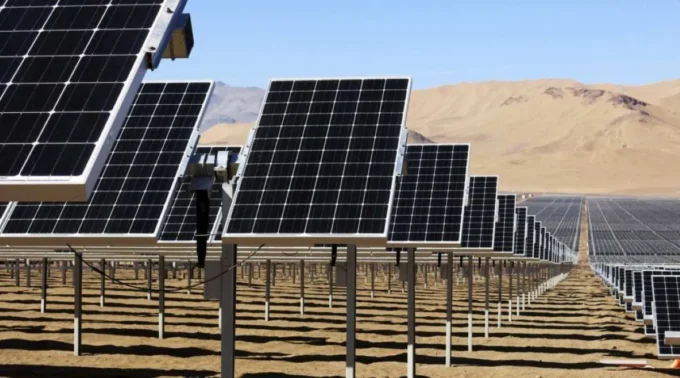
- Renewable Energy Expansion: The government aims to build more than 75 gigawatts of renewable energy capacity by 2040. This includes investments in geothermal, solar, wind, and hydropower energy sources, leveraging the nation’s abundant natural resources.
- Green Financing Through Carbon Markets: Revenue generated from carbon credit sales on the exchange will be channeled into financing renewable energy projects and other green initiatives. This approach is expected to play a crucial role in meeting the country’s ambitious energy transition goals.
Challenges in Implementation
While the opening of the carbon exchange has been widely applauded, it is not without its challenges. Indonesia’s transition to a greener economy faces several hurdles, including regulatory gaps, financing constraints, and questions about the effectiveness of carbon credit mechanisms.
One of the primary concerns is the credibility of carbon credits. Globally, carbon credits have faced criticism over issues such as shoddy accounting practices, double-counting of emissions reductions, and even outright fraud. To address these concerns, the Indonesian government has pledged to guarantee every credit issued on its exchange. Rigorous scrutiny will ensure that the credits meet international standards and accurately represent emissions reductions.
Another challenge is ensuring that carbon credits sold on the exchange are “additional.” This means that the emissions reductions attributed to the credits would not have occurred without the incentive provided by the credits themselves. Proving this “additionality” often involves complex counterfactual analysis, which remains a key challenge for the carbon market.
Skepticism from Experts
Despite the government’s assurances, some experts remain skeptical about the effectiveness of the carbon exchange. Fabby Tumiwa, the executive director of the Institute for Essential Services Reform, has pointed out that the domestic carbon market has attracted relatively little interest since its launch. He argued that the market’s design does not fully align with Indonesia’s emissions reduction strategy, raising questions about its overall impact.
Tumiwa also highlighted the need for the credits available on the exchange to meet international standards. Without compatibility with global frameworks, the market risks losing credibility among foreign investors, which could hinder its potential to drive meaningful change.
Indonesia’s Renewable Energy Potential
Indonesia’s rich natural resources provide immense potential for renewable energy development. The country has one of the world’s largest reserves of geothermal energy, with an estimated potential of over 29 gigawatts. Additionally, its tropical climate and vast coastline offer significant opportunities for solar and wind energy production.
The government has identified key areas for renewable energy expansion, including the development of solar farms, wind power projects, and hydropower plants. However, these projects require substantial investment and policy support to become viable at scale. The funds raised through the carbon exchange are expected to play a pivotal role in accelerating these developments.
Global Context
Indonesia’s carbon exchange launch comes at a time of heightened global focus on carbon markets. In 2024, world leaders reached new agreements on country-level trade in carbon credits at the COP29 climate conference. These guidelines aim to standardize the global carbon market, ensuring transparency and integrity in credit transactions.
As a major emitter with vast potential for emissions reductions, Indonesia’s participation in the global carbon market is seen as critical. By opening its exchange to international buyers, the country aims to position itself as a leader in the carbon trading ecosystem while attracting foreign investment to support its domestic climate goals.
Initial Trading Activity
The carbon exchange’s opening day saw promising activity, with at least nine transactions completed. These accounted for more than 41,000 tons of carbon dioxide equivalent, signaling initial interest from market participants. While the volume may seem modest, experts view it as a positive start, given the relatively nascent stage of Indonesia’s carbon market.
Future Prospects
The success of Indonesia’s carbon exchange will depend on several factors, including the government’s ability to maintain high standards for credit verification, attract foreign investors, and align the market with the country’s broader emissions reduction strategy. Additionally, robust collaboration with international stakeholders will be crucial to ensure compatibility with global carbon trading frameworks.
Looking ahead, Indonesia’s carbon exchange has the potential to serve as a model for other developing nations seeking to leverage carbon markets to finance their green transitions. However, realizing this potential will require sustained effort, transparency, and a strong commitment to environmental integrity.
Conclusion
Indonesia’s launch of an international carbon exchange represents a bold and ambitious step toward achieving its climate goals. By opening the market to foreign investors, the country aims to unlock new funding streams for renewable energy projects and other sustainability initiatives. While challenges remain, the initiative underscores Indonesia’s determination to lead by example in the global fight against climate change. With careful planning and effective execution, the carbon exchange could become a cornerstone of the nation’s green economy and a catalyst for meaningful environmental progress.
Ready to take your career to the next level? Join our dynamic courses: ACCA, HESI A2, ATI TEAS 7 , HESI EXIT , NCLEX – RN and NCLEX – PN!🌟 Dive into a world of opportunities and empower yourself for success. Explore more at Serrari Ed and start your exciting journey today! ✨
photo source: Google
By: Montel Kamau
Serrari Financial Analyst
20th January, 2024