In a remarkable turn of events, India’s stock market is on the cusp of surpassing Hong Kong to become one of the world’s largest trading venues, signaling investors’ confidence in the economic outlook of the most populous country globally.
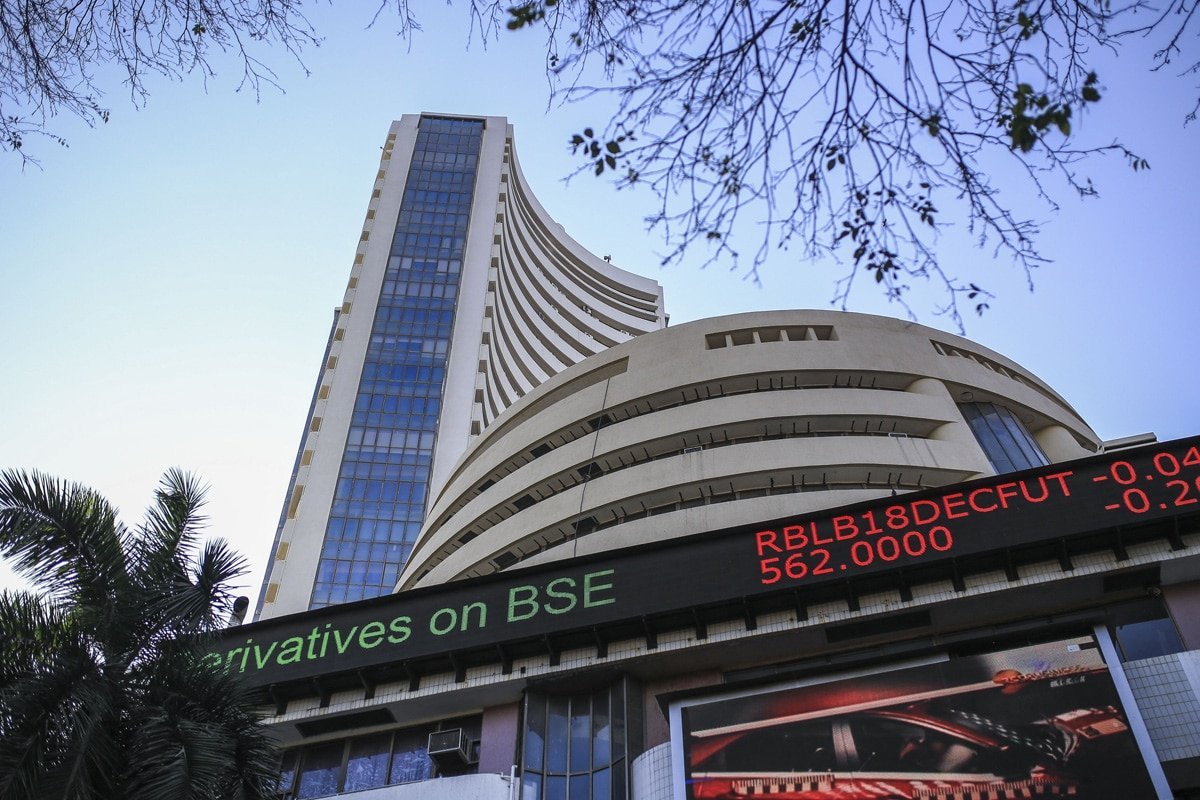
As of the end of October, the total market capitalization of companies listed on the National Stock Exchange of India reached $3.7 trillion, according to the World Federation of Exchanges, just shy of Hong Kong’s $3.9 trillion on the Stock Exchange. Subsequent data reveals that Indian share prices have surged even further due to robust earnings and optimistic growth projections, positioning India to claim the seventh spot globally, trailing markets in the US, China, the EU, and Japan.
In stark contrast, Hong Kong’s share prices have experienced a decline amid a cooling Chinese economy. The Nifty 50 index of large companies in India has soared by 8.1% in the past month, reaching record highs, while Hong Kong’s Hang Seng index plunged by 6.7% during the same period, impacted by a liquidity crisis in the property sector and subdued investor and consumer confidence.
Abhiram Eleswarapu, Head of India Equities at BNP Paribas in Hong Kong, highlighted the historical correlation between India and China stock indices over the past decade. However, he noted a recent divergence in the last three years, with China’s indices trending downward while India’s have been consistently rising.
India’s strengthening market is drawing investors’ attention, fueled by robust consumption trends, increased spending on property, luxury goods, and higher-end products by affluent Indians, coupled with growing government capital expenditure on infrastructure.
Currently, India boasts the world’s fastest-growing major economy, set to expand by 6.3% this year, outpacing China’s projected 5% growth, as reported by the IMF. Pratik Gupta, CEO and Co-Head of Institutional Equities at Kotak Securities in Mumbai, emphasized India’s unique position for sustained real GDP growth of at least 6% over the next 15-20 years, a rare feat on a global scale.
The recent electoral victories of Narendra Modi’s Bharatiya Janata party in key battleground states have further fueled speculation of political stability, boosting confidence in India’s economic trajectory.
Indian companies are actively deleveraging, with a focus on paying down debt and issuing equity. This trend, accelerated during the pandemic, is evident in successful market debuts such as Tata Technologies, a Tata Group subsidiary, which raised Rs30.4 billion ($365 million) in an IPO subscribed 69 times.
Additionally, India is reaping the benefits of the “China plus one” supply chain shift, with companies like Apple reportedly sourcing batteries for the upcoming iPhone 16 from Indian factories. Tesla is also exploring the possibility of establishing an electric car factory in India.
While India’s rising share prices have been predominantly driven by domestic flows, foreign investors are now turning net buyers of Indian equities after a brief period of selling in September and October. Deepak Jasani, Head of Retail Research at HDFC Securities in Mumbai, noted that with China underperforming, India stands out as an attractive option for investors focused on emerging equities.
Photo ( Arabian Business)
By: Delino Gayweh
Serrari Financial Analyst
December 10, 2023