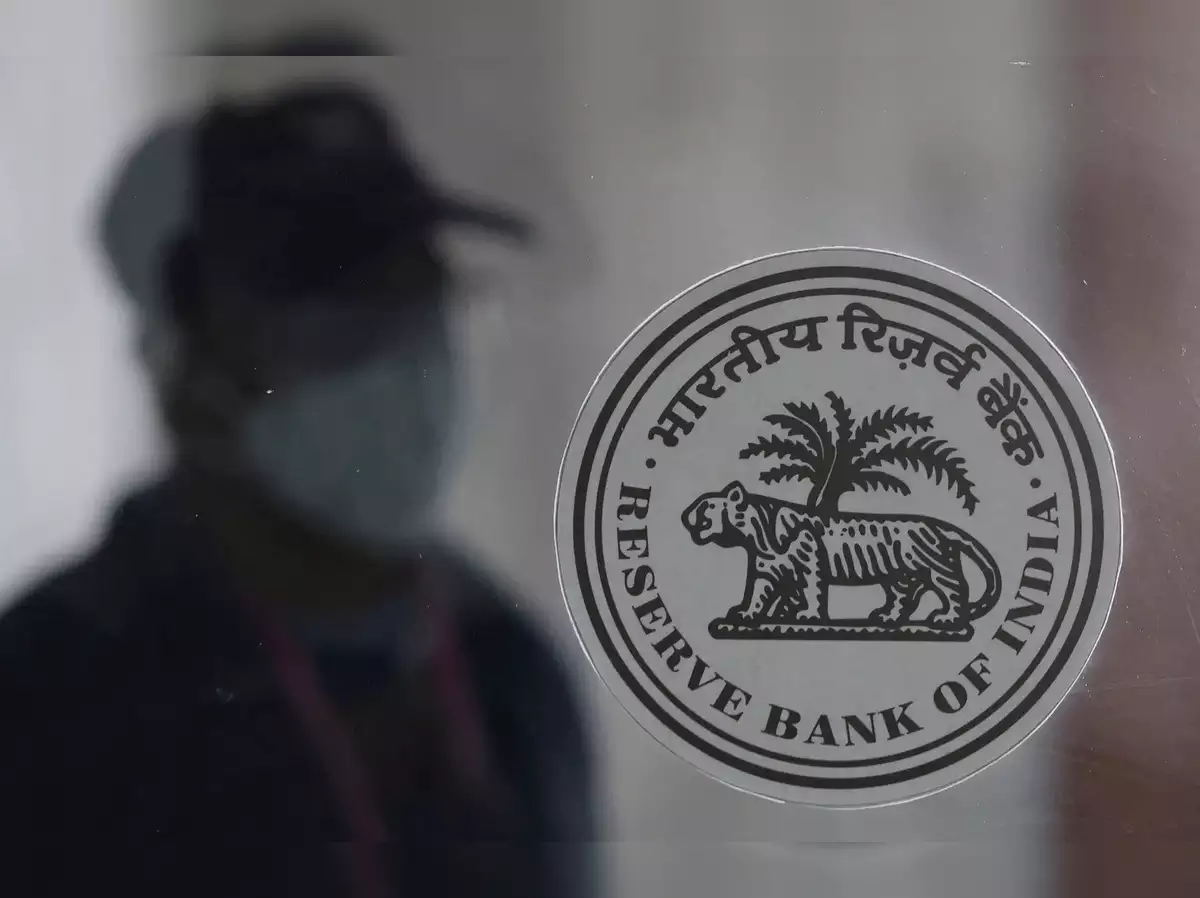
As the U.S. presidential election approaches, the Reserve Bank of India (RBI) is poised to manage any potential market volatility and capital outflows, particularly if global markets react strongly to a potential victory by Republican candidate Donald Trump. Two sources familiar with RBI’s strategy have reported that the central bank is prepared to utilize its substantial foreign exchange reserves to stabilize the rupee if necessary. India’s currency has already faced pressure this month, dropping to record lows against the dollar due to recent foreign fund outflows.
RBI’s Strategy in the Face of Potential Capital Outflows
India’s economic stability could face challenges in the event of market fluctuations arising from a Trump victory. His campaign has included pledges to increase tariffs on Chinese imports to 60%, a move that could trigger broad economic ripples across emerging markets, including India. If Trump imposes these tariffs, analysts expect a rise in U.S. inflation, which could indirectly impact India, creating challenges for the RBI to maintain price stability domestically.
According to one source, the RBI’s forex reserves, amounting to $688.27 billion as of October 18, would be pivotal in cushioning the rupee against any steep declines. These reserves are intended to cover India’s entire external debt and nearly a year’s worth of imports, placing the RBI in a relatively strong position compared to many emerging markets. “The reserves have been built up to take care of excessive volatility. If there are sharp outflows, RBI will step in to manage it, as it has been doing,” noted the source.
The U.S. Election and India’s Monetary Policy
The close race between Trump and Democratic candidate Vice President Kamala Harris is causing anxiety in global markets, especially among emerging economies like India. As of the latest Reuters/Ipsos poll, the candidates are virtually tied, leaving the election outcome highly uncertain.
In recent weeks, the rising U.S. Treasury yields have compounded the rupee’s depreciation, as yields climbed by 50 basis points this month, and the dollar index surged by 3.3%. This dollar strengthening has increased the costs of debt repayments for emerging markets, which often hold substantial U.S.-denominated debt. Consequently, India’s debt markets have witnessed $700 million in foreign outflows, while $10 billion left India’s equity markets in October, according to data from the RBI.
Implications of a Trade War on India’s Economy
The impact of U.S.-China trade relations is another key concern for India. Trump’s promise to impose heavy tariffs on Chinese goods is likely to worsen U.S.-China relations, further driving up inflation in the U.S. and indirectly affecting emerging markets, including India. These tariffs could redirect global capital flows, leading investors to pivot from India to China, which has proposed a new stimulus package worth more than 10 trillion yuan (approximately $1.4 trillion) to stimulate its slowing economy.
China’s potential stimulus efforts could have far-reaching effects across the global financial markets. Foreign fund flows have already shifted towards China, with all emerging markets reportedly experiencing capital outflows to the Chinese market. “At the current time, we are actually bleeding to China, all EMs are losing money to China, so if Trump wins, a new source of spillover will be created,” noted the second source.
Challenges for India’s Inflation and Interest Rates
India has been dealing with an inflationary spike, with retail inflation reaching a nine-month high in September. Rising global inflation could exacerbate this situation. A Trump victory and resultant economic policies may force the RBI to keep its monetary policy tight for longer. Currently, the RBI has held interest rates steady for ten consecutive meetings but shifted its policy stance to “neutral” from “withdrawal of accommodation” in October, signifying a more flexible approach while remaining vigilant of inflation pressures.
RBI Governor Shaktikanta Das has indicated that monetary policy decisions will consider both domestic inflation dynamics and global financial developments. An increase in tariffs on Chinese goods by the U.S. could place upward pressure on prices globally, potentially worsening inflation in India. This situation could complicate the RBI’s ability to provide support to the economy without exacerbating inflation.
Broader Economic Implications for India
Beyond the short-term volatility in the financial markets, the U.S. election outcome may also influence India’s long-term economic trajectory. A potential victory for Trump could lead to a more protectionist U.S. stance, which might disrupt global trade patterns and put emerging markets like India at a disadvantage. India is vulnerable to shifts in global trade and capital flows given its reliance on foreign investment and trade with the U.S., which is one of India’s major trading partners.
The RBI’s preparedness with substantial foreign exchange reserves highlights India’s proactive approach in managing external vulnerabilities. However, persistent capital outflows, if not managed effectively, could lead to higher borrowing costs and tighter financial conditions domestically. This situation may also pressure India to rely more heavily on domestic growth drivers, such as investment in infrastructure and digital transformation, to sustain economic momentum.
Conclusion
As India awaits the outcome of the U.S. election, the RBI’s commitment to stabilizing the rupee and managing inflationary pressures will be crucial in the days ahead. The central bank’s ability to intervene in the currency markets is a powerful tool, but it may face constraints if global economic conditions worsen or if U.S. tariffs provoke further inflation.
With its strong foreign exchange reserves, the RBI is in a robust position to absorb short-term shocks, but sustained volatility could challenge India’s financial stability. The path forward for India’s economy and monetary policy remains uncertain, as global factors, particularly the U.S.-China trade tensions, continue to impact the economic landscape. The central bank’s vigilance and strategic responses will be critical to preserving stability amid these complex dynamics.
Ready to take your career to the next level? Join our dynamic courses: ACCA, HESI A2, and ATI TEAS 7! 🌟 Dive into a world of opportunities and empower yourself for success. Explore more at Serrari Ed and start your exciting journey today! ✨
Photo source: Google
By: Montel Kamau
Serrari Financial Analyst
1st November, 2024