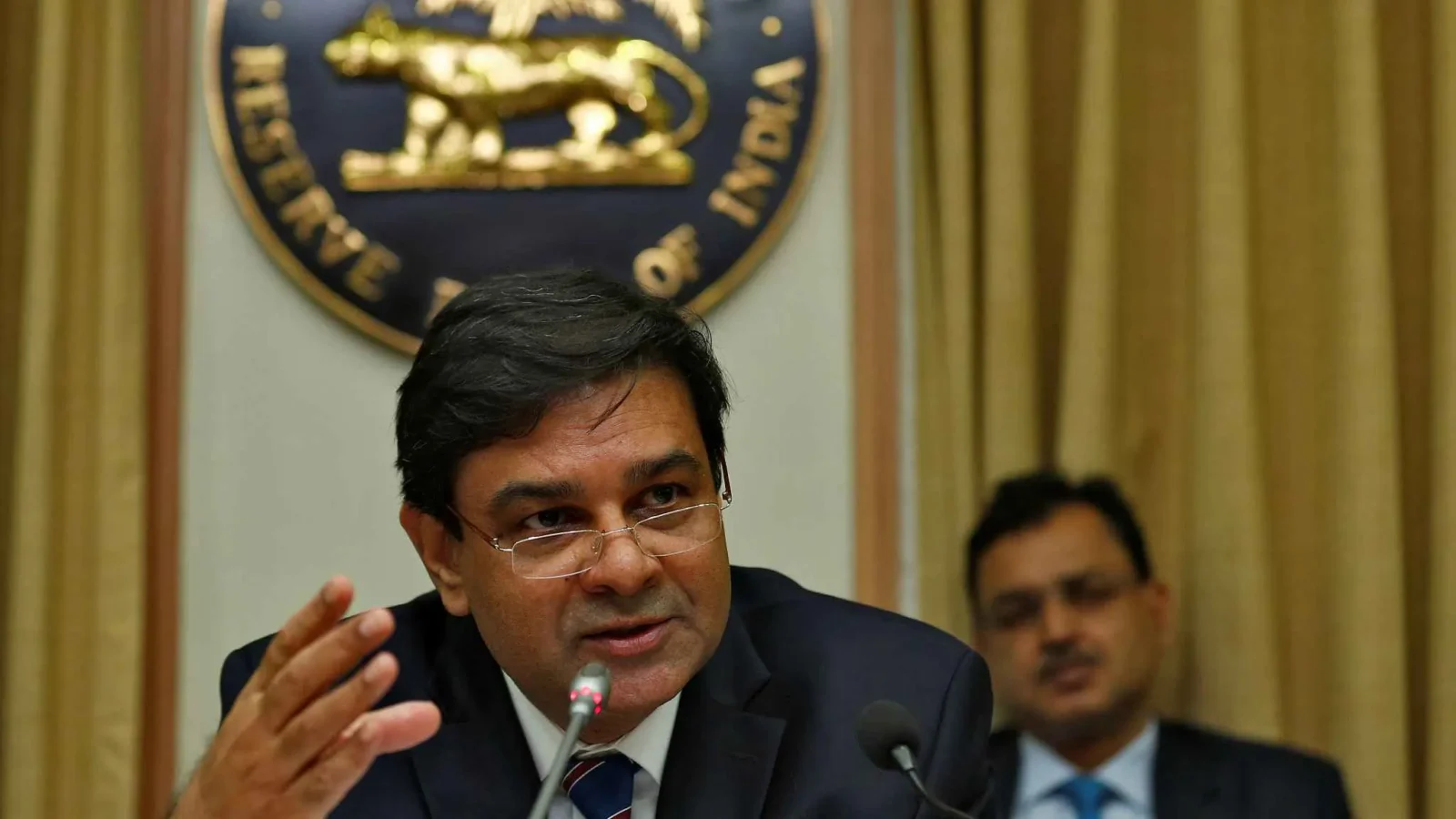
In a widely anticipated move, the Reserve Bank of India (RBI) opted to keep its key interest rate unchanged on Thursday, signaling a continued focus on bringing inflation down despite the prevailing global market volatility that has other major central banks considering easing their policies. The Monetary Policy Committee (MPC) maintained the repo rate at 6.50% for the ninth consecutive policy meeting, highlighting the RBI’s cautious approach in navigating through the complex interplay of domestic economic stability and global financial uncertainties.
RBI’s Policy Context and Global Backdrop
The decision to maintain the status quo on interest rates comes against a backdrop of global economic instability marked by the ongoing challenges of the post-pandemic recovery, geopolitical tensions, and a wavering global trade environment. While the U.S. Federal Reserve, the European Central Bank, and the Bank of Japan have been wrestling with inflationary pressures and recessionary fears, the RBI’s stance reflects a more measured approach to monetary policy.
The RBI’s Monetary Policy Committee, which includes three members from the central bank and three external experts, voted 4-2 in favor of keeping the policy rate unchanged. This decision underscores the RBI’s commitment to its medium-term inflation target of 4%, a goal that has been increasingly challenging to achieve due to persistent inflationary pressures, particularly in food and energy prices.
The RBI last adjusted its key policy rate in February 2023, raising it to the current level of 6.50%. Since then, the central bank has consistently held the rate steady, adopting a “withdrawal of accommodation” stance to focus on taming inflation without stifling economic growth. This approach has been crucial in ensuring that the Indian economy remains resilient in the face of external shocks.
Inflation Dynamics and RBI’s Strategy
India’s inflation has been a central concern for policymakers, especially given its direct impact on the country’s vast population. Food inflation, in particular, has remained stubbornly high, driven by supply chain disruptions, erratic monsoon patterns, and rising global commodity prices. In June 2024, India’s annual retail inflation rate rose above 5%, marking the first increase in five months. This uptick was primarily due to a significant jump in food prices, which are a major component of the consumer price index (CPI).
RBI Governor Shaktikanta Das emphasized the importance of maintaining the current monetary policy stance to ensure that inflation continues on a downward trajectory. “Growth remains resilient, inflation has been trending downward, and we have made progress in achieving price stability, but we have more distance to cover,” Das stated during the policy announcement. He further highlighted that the public perceives inflation mainly through the lens of food prices, making it imperative for the central bank to address this aspect of inflation comprehensively.
While core inflation, which excludes volatile food and energy prices, has shown signs of easing, Das cautioned against complacency. “The public at large understands inflation more in terms of food inflation than the other components of headline inflation,” he remarked, signaling the RBI’s intent to remain vigilant in its inflation management efforts.
Economic Growth and Forecasts
Despite the challenges posed by inflation, the Indian economy has shown remarkable resilience. The RBI has maintained its growth forecast for the fiscal year 2025 at 7.2%, slightly lower than the 8.2% expansion recorded in the previous fiscal year. This projection reflects a balanced outlook that takes into account both the domestic economic momentum and the potential risks from the global economic environment.
India’s robust growth has been driven by a combination of factors, including strong domestic consumption, increased government spending on infrastructure, and a revival in private sector investment. The services sector, in particular, has been a key contributor to growth, buoyed by the recovery in tourism, hospitality, and IT services. Additionally, the manufacturing sector has benefited from the government’s production-linked incentive (PLI) schemes, which aim to boost domestic production and reduce dependency on imports.
However, the global economic environment poses significant risks to India’s growth outlook. The ongoing war in Ukraine, fluctuating global oil prices, and the tightening of monetary policies by major central banks could all have ripple effects on the Indian economy. The RBI has acknowledged these risks, with Das noting the “significant challenges to medium-term global growth” during his policy statement.
Market Reactions and Investor Sentiment
The RBI’s decision to hold rates steady was largely in line with market expectations, as reflected in the muted reaction of Indian financial markets. The NSE Nifty 50 index and the S&P BSE Sensex both shed 0.4% following the policy announcement, indicating that investors had largely priced in the central bank’s stance. Meanwhile, the yield on the 10-year benchmark bond rose slightly to 6.8731%, reflecting a cautious outlook among fixed-income investors.
The Indian rupee, which has been under pressure due to a strengthening U.S. dollar and rising global interest rates, remained nearly flat at 83.95 against the dollar. The RBI has been actively intervening in the foreign exchange market to prevent excessive volatility in the rupee, which has been crucial in maintaining investor confidence.
Globally, investors have been closely monitoring the actions of major central banks, with a growing expectation that the U.S. Federal Reserve may begin cutting rates in September. This shift in global monetary policy dynamics has led to increased volatility in global equities and currencies, as markets grapple with the implications of tighter financial conditions.
Future Policy Direction and Economic Outlook
Looking ahead, the RBI’s future policy direction will likely be influenced by a combination of domestic and global factors. On the domestic front, the central bank will need to carefully balance its inflation management goals with the need to support economic growth. With the festive season approaching, there is an expectation of increased consumer spending, which could provide a boost to economic activity. However, this could also lead to higher demand-pull inflation, necessitating a cautious approach from the central bank.
Globally, the trajectory of interest rates in major economies, particularly the U.S., will have a significant bearing on India’s monetary policy. If the Federal Reserve and other major central banks begin to ease their policy stance, it could create room for the RBI to consider rate cuts in the coming months. However, any such move would be contingent on a sustained decline in domestic inflation and a stable global economic environment.
In the near term, the RBI is expected to continue its focus on maintaining price stability while ensuring that economic growth remains on track. The central bank’s cautious approach, as reflected in its recent policy decisions, underscores the complexity of the current economic environment and the challenges of navigating through it.
As India continues to chart its post-pandemic recovery, the role of the RBI in steering the economy towards sustainable growth will be crucial. The central bank’s ability to manage inflation, support growth, and maintain financial stability will be key determinants of India’s economic trajectory in the years to come.
Conclusion
The Reserve Bank of India’s decision to hold interest rates steady for the ninth consecutive meeting reflects a careful and measured approach to monetary policy in the face of a complex global and domestic economic landscape. With inflation remaining a key concern and global market volatility on the rise, the RBI’s focus on price stability and sustainable growth is both prudent and necessary. As the central bank continues to navigate these challenges, its policies will play a critical role in shaping the future of India’s economy.
Photo source: Google
By: Montel Kamau
Serrari Financial Analyst
9th August, 2024