In a recent address, IMF Chief Kristalina Georgieva painted a sobering picture of the ongoing repercussions of the COVID-19 pandemic. Despite glimpses of improvement, the global economy remains ensnared in the aftermath, grappling with a substantial $3.3 trillion output loss since 2020.
Georgieva’s remarks, delivered at an event hosted by the Atlantic Council, highlighted marginal growth enhancements driven by robust activity in the US and select emerging markets. However, underlying concerns persist, casting shadows on the path to recovery.
“While there are signs of progress, the global economic landscape remains fraught with challenges,” Georgieva cautioned, pointing to persistent geopolitical tensions and the looming specter of economic fragmentation.
Against this backdrop, Georgieva’s reappointment as the IMF’s Managing Director for a five-year term underscores a steadfast commitment to navigating turbulent waters. Nevertheless, she underscored the enduring consequences of the pandemic, noting a deceleration in growth since the global financial crisis and mounting fiscal pressures across nations.
Georgieva’s assessment also shed light on the growing divergence between nations, with low-income countries bearing the heaviest burden of the pandemic’s fallout. Among advanced economies, the United States emerged as a bastion of resilience, while Indonesia and India showcased relative strength among emerging markets.
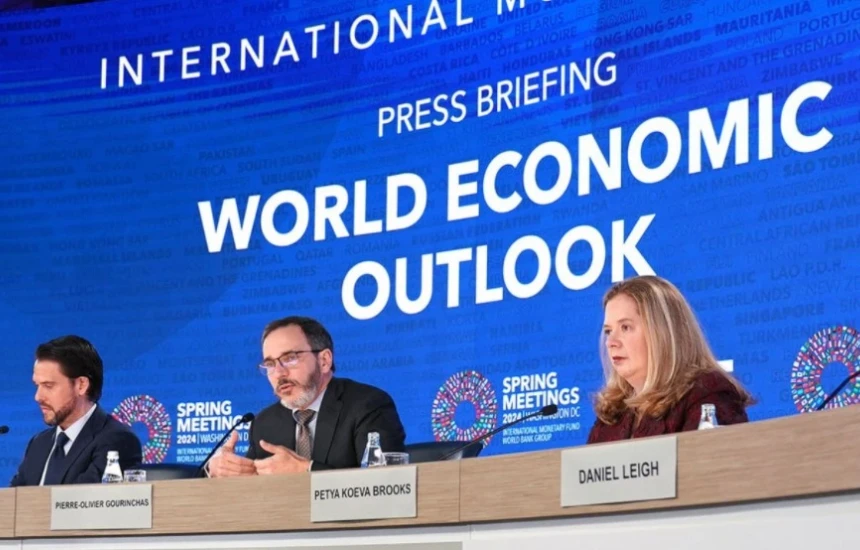
As the IMF prepares to unveil its World Economic Outlook, Georgieva’s measured appraisal serves as a poignant reminder of the arduous road ahead. With recovery efforts underway, the global community faces a daunting task in rebuilding economies ravaged by the pandemic, navigating a delicate balance between progress and vulnerability.
photo source: Google
By: Montel Kamau
Serrari Financial Analyst
16th April, 2024