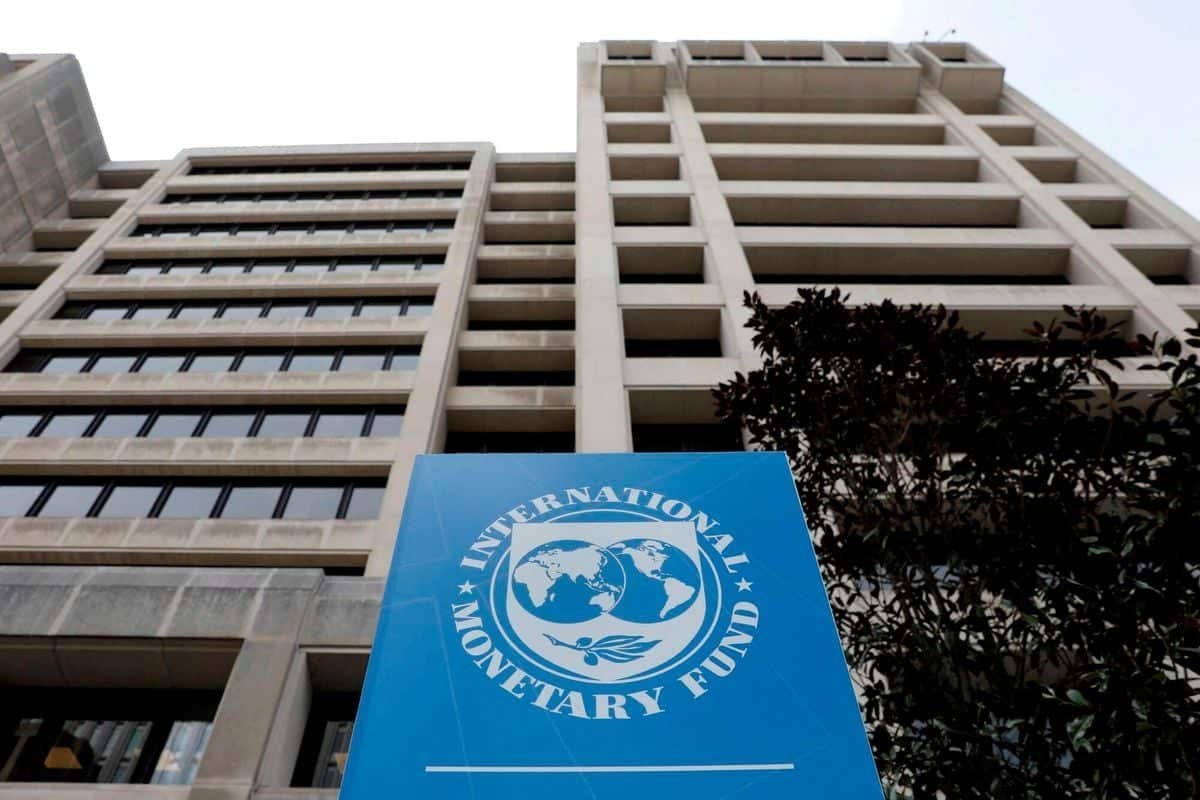
The International Monetary Fund (IMF) has entered a significant financing agreement with the Democratic Republic of Congo (DRC) worth $2.87 billion over three years. The deal includes $1.77 billion from the IMF’s Extended Credit Facility (ECF) and $1.1 billion from its climate-focused Resilience and Sustainability Facility (RSF), marking the first time the latter has been extended to the DRC.
Key elements of this agreement focus on improving fiscal governance and transparency through reforms such as consolidating government-related accounts into a Treasury Single Account (TSA) and overhauling the country’s tax systems. The IMF also seeks to address long-standing inefficiencies in public resource management and revenue mobilisation while encouraging sustainable development practices.
Consolidating Thousands of Accounts: The Push for TSA Implementation
The TSA has been a critical reform item for the DRC since 2019, aimed at centralising government funds for better financial oversight and reducing opportunities for mismanagement. However, implementation has been slow. An IMF evaluation revealed the existence of 3,625 government-related accounts, including 607 accounts under 54 ministries and hundreds more linked to special and supplementary budgets.
In May 2023, the Congolese government signed a decree to define the structure of the TSA. Despite this step forward, the IMF noted that progress remains insufficient, with weak cash management persisting as a significant issue. The IMF emphasises that consolidating these accounts will enhance budget credibility and curtail the proliferation of taxes outside the formal treasury system.
Lessons from the Region:
The TSA initiative is not unique to the DRC. Similar reforms have been implemented in Uganda and Tanzania and are currently underway in Kenya. These measures have improved fiscal discipline but often face operational and political resistance. For instance, in Kenya, the ongoing rollout of the TSA has caused liquidity challenges for commercial banks as government agencies withdraw their deposits, underlining the complexity of such transitions.
Tax Reforms to Boost Revenue Collection
The DRC’s tax system remains another focus of IMF conditions. The reforms aim to tackle inefficiencies and corruption while increasing domestic revenue mobilisation. Key measures include:
- Introducing a Standardised VAT Billing System: This would improve compliance and reduce tax fraud.
- Streamlining Inefficient Tax Exemptions: Aimed at closing loopholes that cost the government substantial revenue.
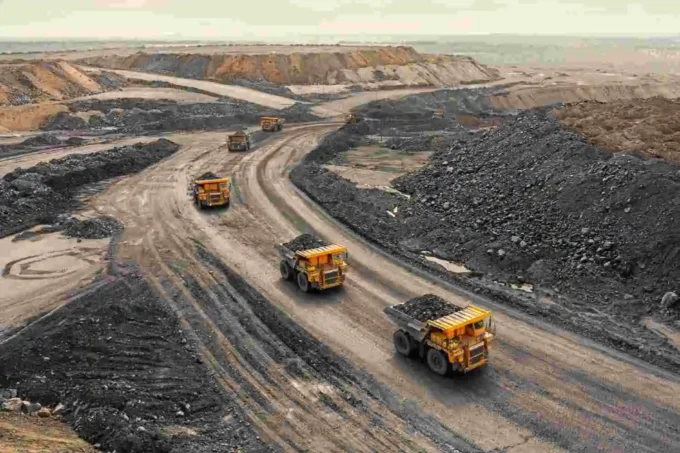
- Strengthening Oversight of Mineral Exports: With the DRC being one of the world’s richest countries in mineral resources, curbing evasion and ensuring accurate reporting of export volumes is critical.
- Combating Customs Fraud: Enhanced border controls and oversight mechanisms are expected to reduce leakages in trade-related revenues.
These reforms align with broader IMF goals of fiscal consolidation across developing economies but often encounter resistance due to their perceived impact on businesses and households.
Social and Economic Impact of the IMF Deal
The IMF financing comes at a time of heightened challenges for the DRC, including conflict in the eastern regions, rising living costs, and a need for infrastructure and social sector investments. The agreement outlines a roadmap to:
- Restore Peace and Security: Funds will support initiatives to stabilise conflict-prone areas, particularly in the eastern provinces, where violence continues to undermine development.
- Address Spiralling Inflation: With food and fuel prices putting pressure on households, the IMF funds will assist the government in mitigating the cost of living crisis.
- Enhance Infrastructure and Agriculture: Investments in roads, bridges, and agricultural projects are planned to stimulate economic activity and improve livelihoods.
Despite these promises, IMF-backed reforms often face criticism for their social impact. For example, recent IMF-recommended tax measures in Kenya triggered widespread protests earlier this year, highlighting the delicate balance between fiscal responsibility and public acceptance.
Climate Sustainability and the RSF’s Role
The inclusion of the Resilience and Sustainability Facility (RSF) signals a shift towards integrating climate resilience into financial programs. For the DRC, this facility will help address challenges such as deforestation, climate adaptation, and sustainable resource management. As the DRC is home to vast tracts of the Congo rainforest, second only to the Amazon, these funds could bolster global efforts to combat climate change.
However, effective utilisation will depend on transparent and efficient mechanisms to ensure that resources reach the intended projects and do not fall prey to mismanagement.
Broader Implications of IMF Programs in Africa
The DRC is one of several African nations working with the IMF to implement structural reforms. While these programs aim to enhance fiscal discipline and economic resilience, they also highlight common challenges such as:
- Public Opposition to Austerity Measures: Reforms often lead to higher taxes or reduced subsidies, sparking public discontent.
- Institutional Weaknesses: Many governments struggle with implementing reforms due to inadequate infrastructure and capacity.
- Dependence on External Financing: Critics argue that IMF programs can perpetuate a cycle of debt dependency, limiting countries’ autonomy.
Nonetheless, proponents contend that IMF-backed reforms, when paired with domestic political will, can lay the groundwork for sustainable economic growth and development.
What’s Next for the DRC?
The IMF’s Executive Board must approve the funding package before disbursements begin. Meanwhile, the Congolese government faces mounting pressure to demonstrate progress in implementing the agreed reforms. Success will require a coordinated effort across ministries, transparency in financial management, and active engagement with stakeholders to mitigate resistance.
As the DRC moves forward, the deal represents both a critical opportunity to address structural challenges and a test of the government’s capacity to enact meaningful change. For the IMF, the program is a chance to showcase the effectiveness of its evolving approach to balancing fiscal discipline with climate sustainability.
With the DRC’s immense natural resources and strategic importance in the region, the success of this agreement could have far-reaching implications, offering lessons for other resource-rich but institutionally challenged economies. However, only time will tell whether these ambitious reforms can deliver the promised results without exacerbating social tensions.
Ready to take your career to the next level? Join our dynamic courses: ACCA, HESI A2, ATI TEAS 7 and HESI EXIT !🌟 Dive into a world of opportunities and empower yourself for success. Explore more at Serrari Ed and start your exciting journey today! ✨
photo source: Google
By: Montel Kamau
Serrari Financial Analyst
19th November, 2024