
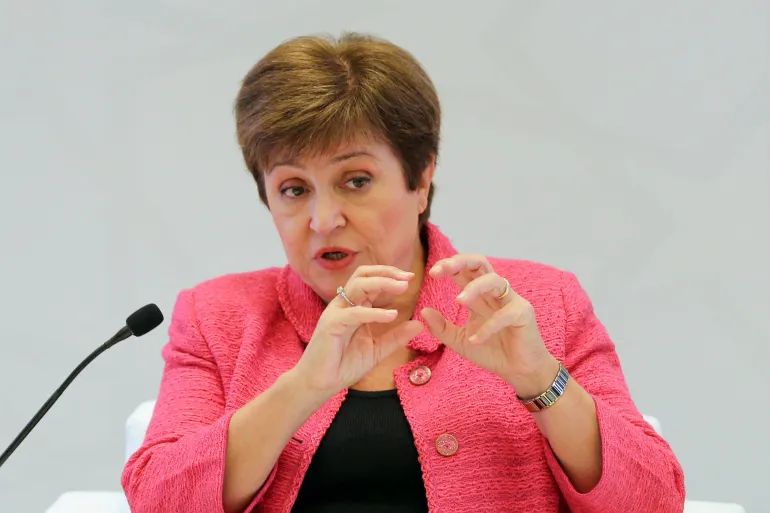
Concerns over the economic stability of low-income countries have taken center stage as the International Monetary Fund (IMF) sheds light on the daunting fiscal hurdles they face. During recent IMF shareholder meetings, Managing Director Kristalina Georgieva underscored the imperative of addressing unsustainable debt burdens and fiscal challenges gripping these nations, exacerbated by the lingering effects of the COVID-19 pandemic and other economic shocks.
The IMF’s downward revision of its 2024 growth forecast for low-income countries to 4.7%, down from the previously estimated 4.9% in January, rings alarm bells. Furthermore, a sobering report by the World Bank reveals a troubling trend: half of the world’s 75 poorest nations are experiencing a widening income gap with wealthier economies—a stark reversal of developmental progress.
Georgieva outlined the IMF’s proactive measures to bolster support for the most severely impacted nations, including plans to increase its quota share by 50% and augment resources allocated to its Poverty Reduction and Growth Trust. Concurrently, internal reforms within the IMF aim to streamline the debt restructuring process, ensuring expedited and smoother proceedings.
At a recent Global Sovereign Debt Roundtable, hosted jointly by the IMF and the World Bank, significant strides were made in establishing timelines for debt restructurings and ensuring equitable treatment for all creditors. However, the gravity of the situation was underscored by Georgieva, who noted that high debt levels, particularly in Sub-Saharan Africa, have become an immense burden for many countries.
To address these challenges, affected nations are urged to focus on bolstering domestic revenues through prudent fiscal measures, such as tax reforms, inflation control, expenditure rationalization, and the development of local capital markets. Georgieva stressed the importance of making these nations more attractive to investors, with the IMF actively engaging with governments to facilitate this process.
Advocates for a comprehensive approach to debt restructuring, such as Iolanda Fresnillo of the European Network on Debt and Development, call for a new multilateral legal framework under the auspices of the United Nations. This framework would address sovereign debt issues while incorporating considerations of climate change, environmental sustainability, and human rights—a departure from the fragmented approach currently in place.
Meanwhile, U.S. Treasury Undersecretary Jay Shambaugh cautioned against emerging official creditors, particularly China, reducing their lending to low-income countries while multilateral institutions like the IMF and World Bank step in. With external public debt outflows increasing in almost 40 countries in 2022 and likely worsening in 2023, Shambaugh emphasized the need for concerted global action to prevent a deepening debt crisis in vulnerable economies.
photo source: Google
By: Montel Kamau
Serrari Financial Analyst
22nd April, 2024