
The International Monetary Fund has trimmed its 2025 growth forecast for Sub-Saharan Africa (SSA) from 4.2 percent to 3.8 percent, warning that recent tariff escalations by the United States and ensuing retaliatory measures are clouding the region’s recovery. In its April World Economic Outlook, the Fund also lowered its global growth projection to 2.8 percent for 2025, down from 3.3 percent in January, underscoring the powerful drag that renewed trade tensions are exerting on both advanced and emerging economies.
Global Trade Tensions Spill Over into Africa
In early April, the U.S. administration imposed sweeping tariffs—up to 145 percent—on a broad array of imports from its major trading partners, spanning industrial machinery, electronics, and consumer goods. These measures marked the sharpest escalation since 2018, when U.S.–China trade disputes first erupted. China’s swift retaliation, matching or exceeding U.S. duties on key American exports such as agricultural commodities and energy products, has driven headline global tariff rates to their highest levels in a century.
This tit-for-tat dynamic has unsettled supply chains worldwide. Shipping costs have jumped as businesses scramble to reroute cargo away from U.S. ports and redirect goods to alternative markets. Freight forwarders report a surge in container bookings bound for Europe, Southeast Asia and Latin America, while many small and medium-sized enterprises (SMEs) face sudden cost increases they lack the margin to absorb.
“The unpredictability around trade policy is stalling investment decisions,” observes Pierre-Olivier Gourinchas, IMF Chief Economist. “Companies are postponing equipment purchases and scaling back orders until they can be confident of market access. This uncertainty has a multiplier effect, slowing demand for raw materials and dampening activity in exporting economies, including those in Africa.”
Why Sub-Saharan Africa Feels the Squeeze
Although SSA’s direct trade exposure to the United States is modest compared with Asia or Europe, the region is vulnerable through several transmission channels:
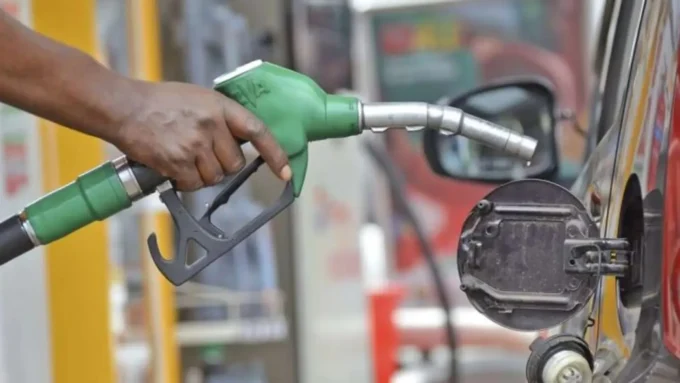
- Commodity Prices: Many African economies rely heavily on commodity exports—oil, minerals, agricultural products—that are priced in global markets. The renewed uncertainties and slower growth in the U.S. and China have knocked down crude-oil prices by nearly 15 percent since January, squeezing revenues for top oil exporters like Nigeria and Angola.
- Supply-Chain Disruption: Global manufacturers source components from multiple suppliers. As some lines shift away from China or the U.S., factories in North Africa and South Africa have seen order cancellations or delays, affecting employers from Cape Town to Casablanca.
- Investor Sentiment: Emerging-market investors, including pension funds and sovereign-wealth vehicles, are retreating to safer assets amid tariff-driven volatility. Capital inflows to African bond and equity markets have slowed, pushing up borrowing costs for governments and corporations.
- Lending Conditions: Banks are recalibrating risk-models to account for heightened global uncertainty. Tighter lending standards and higher interest rates—triggered by rate hikes in major central banks—translate into costlier credit for African businesses and consumers.
Revised Growth Projections: Winners and Losers
Under the revised forecast, SSA’s real GDP growth is projected at 3.8 percent in 2025, down from an earlier 4.2 percent outlook and the estimated 4.0 percent expansion in 2024. The Fund expects a modest rebound to 4.2 percent in 2026, but cautions that persistent trade frictions could delay or derail this recovery.
- Nigeria: Africa’s largest economy will likely grow by 3.0 percent in 2025—0.2 percentage points below the January estimate—and slow further to 2.7 percent in 2026. Lower oil revenues, a depreciated naira, and subdued foreign-direct investment (FDI) are key drags.
- South Africa: The continent’s most industrialized nation faces a steeper cut, with growth pegged at just 1.0 percent in 2025 (down from 1.5 percent) and recovering only to 1.3 percent in 2026. Power shortages, weak consumer confidence and reduced global demand for auto and mining exports underpin the downgrade.
- Kenya: A more diversified economy, Kenya is expected to expand by 4.5 percent in 2025, down slightly from earlier forecasts. Buoyed by telecoms, fintech and construction, the economy has room to absorb external shocks, though its tea and horticulture exporters face narrower margins amid softened overseas orders.
- Ethiopia: One of the fastest-growing non-oil economies, Ethiopia should chalk up 6.0 percent growth in 2025—modestly below previous projections—thanks to strong public infrastructure investment offsetting weaker external demand.
- Angola: With oil still comprising over 90 percent of exports, Angola’s growth forecast was slashed to 0.8 percent in 2025 from 2.2 percent, reflecting the double-whammy of lower output and price when global crude benchmarks dipped below $60 per barrel in March.
Several smaller economies—namely Rwanda, Côte d’Ivoire and Ghana—are expected to maintain growth rates above the regional average, thanks to public-investment pushes, digital-services exports and nascent mining booms. However, they too face rising borrowing costs and investor caution.
Sectoral Impacts: From Mining to Mobile Money
Oil & Gas: Nigeria’s federal budget still assumes $80 per barrel for Brent crude, yet year-to-date averages linger near $66. The shortfall has forced Abuja to tap more domestic debt and tighten its purse strings on infrastructure projects.
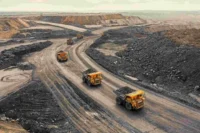
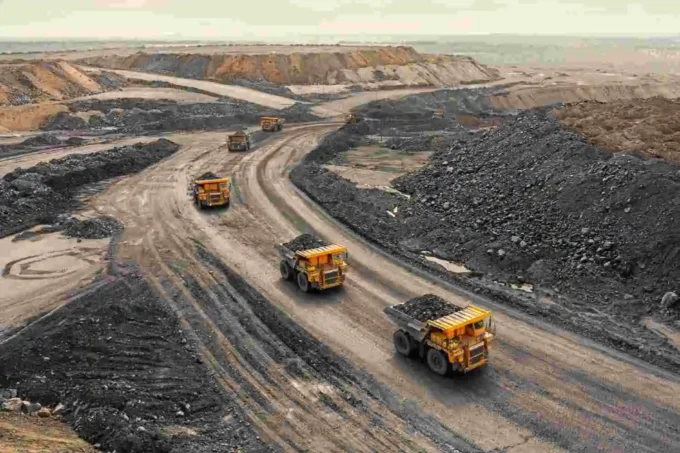
Mining & Metals: South Africa’s platinum and palladium exporters confront weaker auto-sector demand in Europe and the U.S., while cobalt and copper miners in the Democratic Republic of Congo see postponed orders as battery-makers reassess production schedules.
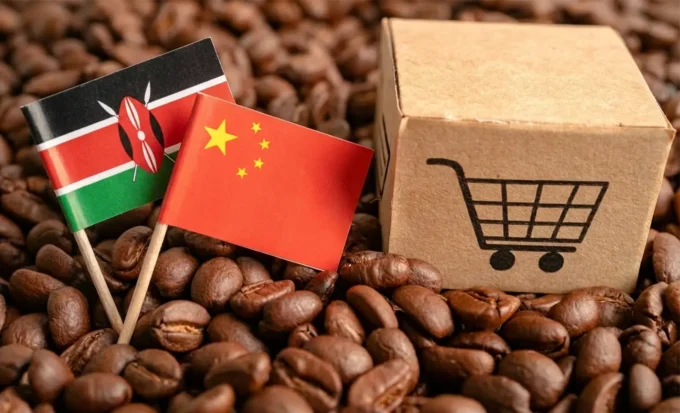
Agriculture: Cocoa and coffee growers—from Côte d’Ivoire to Uganda—face price volatility and reduced shipments as U.S. retailers delay large-scale purchases. Conversely, African avocado exporters have found new buyers in Asia and the Middle East, partially offsetting declines in North American markets.
Manufacturing: Light-manufacturing hubs in Ethiopia and Kenya have reported fewer inquiries for apparel and plastics goods destined for U.S. discount chains. At a garment factory near Addis Ababa, supervisor Amina Bekele notes, “We had to slow one production line because the U.S. client postponed their spring order by two months. Such delays ripple through our supply chain, from textile mills to trucking firms.”
Services & Digital: Fintech firms—especially mobile-money platforms in East Africa—continue to thrive as domestic digital adoption remains strong. Competition among regional players has even accelerated investment in services such as micro-insurance and mobile lending, cushioning some economies from export-driven slowdowns.
Human Stories: Navigating Uncertainty
- A Cocoa Cooperative in Ghana: Led by 38-year-old farmer Edem Owusu, a 250-member cooperative has diversified into producing cocoa butter and powder locally, rather than exporting raw beans. “When prices dropped last quarter, we lost six percent of our planned revenue,” Owusu explains. “So we invested in a small processing line. It’s tougher work, but we capture more value here at home.”
- A Small Machinery Manufacturer in Johannesburg: Atlas Tools, a family-owned firm making hydraulic presses, saw a 12 percent drop in U.S. orders after tariffs rose. Owner Sipho Makhoba laid off ten workers and is courting South American clients. “We are learning that reliance on one big market is risky,” he says. “Now we’re attending trade shows in Brazil and Argentina.”
- A Kenyan Exporter of Avocado Oil: Elevate Oils secured a three-year contract with a Middle Eastern distributor after its U.S. customer deferred shipments. Founder Neema Otieno notes, “It was painful to pivot so quickly, but we counted on our certification for organic, cold-pressed oil. That quality opened doors in new markets.”
Policy Responses: Mitigating the Drag
Governments and central banks across SSA are deploying a mix of monetary, fiscal and structural measures to soften the blow:
- Monetary Easing vs. Inflation Risks: In Nigeria, the Central Bank cut its policy rate by 50 basis points to 16.5 percent in March to support credit growth, drawing criticism from inflation hawks as consumer prices still climb above 24 percent.
- Targeted Fiscal Stimulus: Côte d’Ivoire announced a one-off cash transfer to smallholder rice farmers to offset higher fertilizer costs linked to disrupted global supply chains.
- Debt-Service Swaps: Ghana negotiated a temporary debt-service suspension with bilateral creditors to free up budget space for public-health and education spending.
- Export Diversification Funds: Kenya’s Export Promotion Council is offering matching grants for SMEs that develop alternative markets in Asia, Latin America and Africa.
The IMF has urged policy makers to strike a careful balance: avoid over-generous stimulus that could stoke inflation or deepen debt vulnerabilities, while prioritizing support for the most affected sectors and populations.
The AfCFTA: A Potential Buffer
The African Continental Free Trade Area (AfCFTA), which entered into force in January 2021, aims to create a USD 3.4 trillion intra-continental market. By cutting tariffs and harmonizing regulations among its 54 member states, the AfCFTA could help African exporters pivot from Western markets to regional buyers.
So far, trade under the AfCFTA is modest—accounting for around five percent of total African merchandise trade—but pilot corridors for goods such as processed foods, textiles and auto parts have shown promise. A robust roll-out of AfCFTA implementation could cushion SSA economies against external shocks and foster deeper value chains.
Structural Reforms for Resilience
Beyond immediate policy measures, many economists stress that long-term growth hinges on structural reforms:
- Improving Business Climate: Simplifying licensing, reducing graft and enhancing contract enforcement to attract diversified FDI.
- Upgrading Infrastructure: Accelerating projects in power, transport and digital connectivity to lower production costs and integrate regional markets.
- Human Capital Development: Investing in vocational training and STEM education so labor forces can adapt to automation and technology shifts.
- Agricultural Value Addition: Promoting agro-processing industries to capture more domestic value rather than exporting raw commodities.
A 2024 study by a leading economic think-tank estimated that if SSA countries improved their business-regulatory scores to match those of mid-income peers, growth could accelerate by 1.5 percentage points annually over the next decade.
Risks on the Horizon
Several risks could further derail SSA’s recovery:
- Prolonged Trade Conflicts: A failure to de-escalate U.S.–China tariff battles risks a deepening global slowdown and commodity price volatility.
- Climate Shocks: Droughts, floods and cyclones could wipe out harvests, displace communities and strain public finances. The Horn of Africa, for instance, faces one of its worst droughts in decades.
- Debt Distress: Over 20 SSA countries are classified by the IMF or World Bank as at high risk of external debt distress, limiting their fiscal space.
- Political Instability: Elections in major economies like Nigeria and South Africa—slated in 2026—could spur policy uncertainty or social unrest.
What to Watch in 2025
- Tariff Negotiations: Any de-escalation between Washington and Beijing, or parallel WTO rulings overturning U.S. measures, would lift global sentiment.
- Commodity Price Trends: A rebound in crude-oil and metal prices, driven by either supply-cuts or new investment, would shore up revenues for exporters.
- AfCFTA Progress: Real-world expansion of tariff cuts and cross-border logistics could provide alternative outlets for African exporters.
- Investment Flows: Commitments by multilateral development banks to co-finance private-sector projects could offset some of the pullback in commercial funding.
Conclusion
The IMF’s downward revision of Sub-Saharan Africa’s 2025 growth forecast—from 4.2 to 3.8 percent—signals the real and immediate challenges posed by a resurgence of global trade tensions. While the region’s diverse economies and young populations offer strong long-term promise, the current wave of tariff hikes, slower global demand and tighter financial conditions demand a nimble policy response.
By combining targeted fiscal support, prudent monetary settings, accelerated AfCFTA implementation and deeper structural reforms, African governments can navigate the turbulent waters ahead. For millions of entrepreneurs, farmers and young professionals, the ability to adapt swiftly to shifting markets—and to seize new intra-African opportunities—will determine whether this slowdown proves a temporary speed-bump or a more protracted detour on the continent’s path to shared prosperity.
Ready to take your career to the next level? Join our dynamic courses: ACCA, HESI A2, ATI TEAS 7 , HESI EXIT , NCLEX – RN and NCLEX – PN, Financial Literacy!🌟 Dive into a world of opportunities and empower yourself for success. Explore more at Serrari Ed and start your exciting journey today! ✨
photo source: Google
By: Montel Kamau
Serrari Financial Analyst
23rd April, 2025