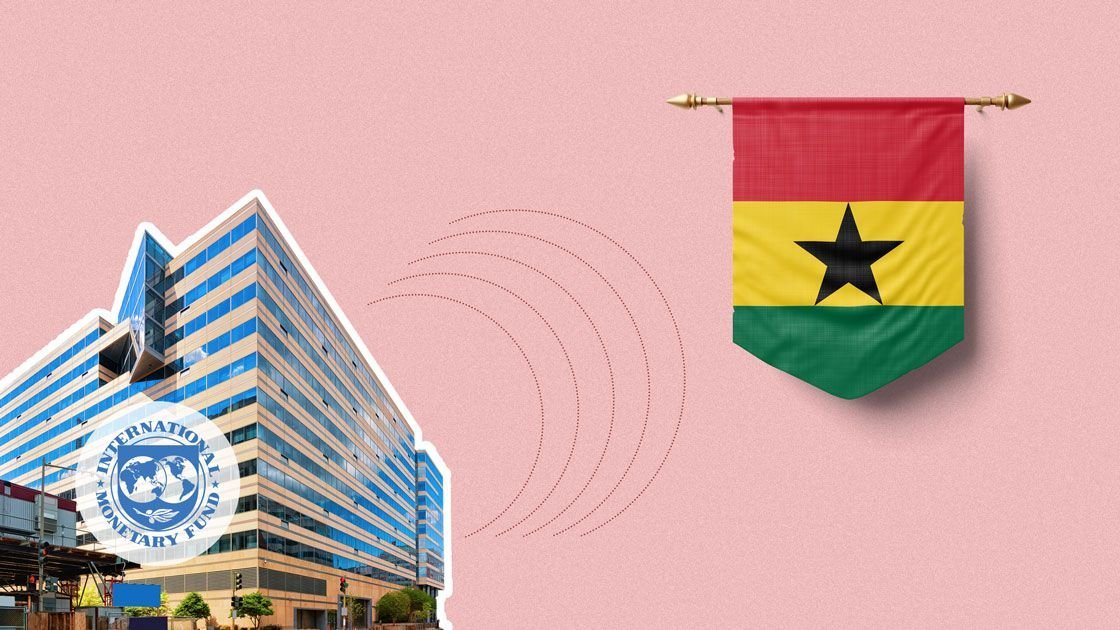
The International Monetary Fund (IMF) has approved the second review of Ghana’s $3 billion loan program, clearing the way for an immediate disbursement of approximately $360 million. This follows Ghana’s successful agreement with its official creditor committee, a necessary step for unlocking this tranche of funds.
This latest disbursement brings the total IMF support for Ghana to $1.56 billion under the three-year bailout program aimed at helping the country recover from its worst economic crisis in decades.
Economic Stability and Debt Management
IMF Deputy Managing Director Kenji Okamu commended Ghana’s efforts, noting significant progress in stabilizing the economy. “The authorities’ strategy to restore macroeconomic stability and reduce debt vulnerabilities is yielding positive results,” Okamu said.
Ghana’s central bank expects to receive the funds within the next two days, providing timely support to the nation’s financial system.
Challenges and Recovery
Ghana turned to the IMF in 2022 when the country faced a sharp decline in the value of the cedi and soaring inflation due to high debt-service costs, excessive spending, the COVID-19 pandemic, and global economic pressures from Russia’s invasion of Ukraine and rising interest rates.
Recent economic indicators show signs of recovery. Ghana’s economy grew by 2.9% last year, with a notable first-quarter growth of 4.7% in 2024. Inflation has decreased significantly from over 54% in December 2022 to 23.1% last month, although the cedi continues to experience depreciation.
Debt Restructuring Progress
Ghana is actively restructuring its $30 billion debt under the G20’s Common Framework. This month, the country reached an agreement with two bondholder groups to restructure about $13 billion of its debt. This deal is crucial for completing the debt overhaul process.
The agreement involves bondholders foregoing approximately $4.7 billion of their loans, providing cash flow relief of about $4.4 billion until the IMF program concludes in 2026. Additionally, bondholders will face a principal reduction of up to 37%.
Future Outlook
The IMF emphasizes the need for ongoing macroeconomic policy adjustments and reforms to fully restore stability and sustainability. “Perseverance in macroeconomic policy adjustment and reforms is essential to achieve lasting stability,” Okamu noted.
The latest IMF disbursement marks a significant step in Ghana’s economic recovery, offering crucial support to strengthen the country’s financial stability and growth prospects.
Photo source: Google
By: Montel Kamau
Serrari Financial Analyst
1st July, 2024