
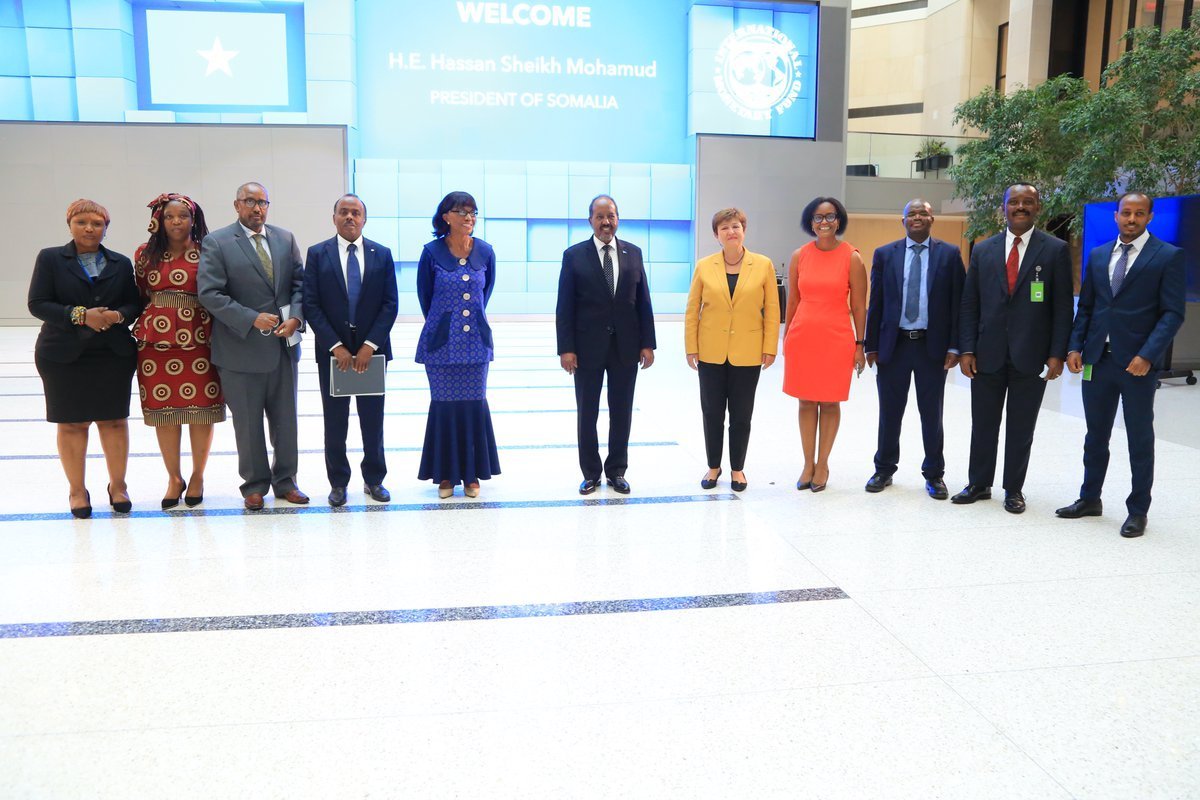
The International Monetary Fund (IMF) has approved a disbursement of $10 million to Somalia under its Extended Credit Facility (ECF). This funding, part of a larger program aimed at fostering economic development and reducing poverty, brings Somalia’s total disbursement under the ECF to approximately $60 million. The announcement comes as Somalia continues to face significant challenges, including security threats, climate shocks, and economic instability.
Economic Outlook and Growth Projections
Despite the hurdles, Somalia’s economic outlook shows promising signs of growth. The IMF projects that the country’s real GDP will expand by 4% in both 2024 and 2025, driven primarily by strong exports and remittance inflows. Remittances, which form a vital lifeline for the Somali economy, contribute significantly to household incomes and consumption, underscoring their importance to macroeconomic stability.
Inflation is expected to trend downward, reaching 4.5% by the end of 2024. This is a positive development for Somali households, who have been grappling with rising living costs. However, the IMF cautioned that the pace of inflation reduction is slower than previously anticipated, reflecting the lingering effects of global commodity price fluctuations and domestic supply chain disruptions.
Heavily Indebted Poor Countries (HIPC) Initiative
Somalia’s ECF arrangement is tied to its progress under the Heavily Indebted Poor Countries (HIPC) Initiative, which aims to provide debt relief to eligible nations while fostering economic reforms. Having reached the completion point under the HIPC Initiative in 2023, Somalia has made significant strides in strengthening its economic institutions. The IMF’s continued support is intended to consolidate these gains by promoting macroeconomic stability, building fiscal resilience, and enhancing the capacity of key economic governance structures.
Challenges and Risks
While the IMF’s support is a critical lifeline, Somalia faces several near-term risks that could hinder its progress:
Security Threats
The Somali government continues to grapple with terrorism, with militant groups such as Al-Shabaab posing persistent threats to stability. In response, Somalia is collaborating with international partners to transition from the African Union Transition Mission in Somalia (ATMIS) to a new security framework by January 2025. This transition is crucial for ensuring long-term peace and enabling economic growth.
Climate Shocks
Climate change remains one of Somalia’s most pressing challenges. The country is highly vulnerable to droughts, floods, and other extreme weather events, which exacerbate food insecurity and displacement. The recurring climate shocks not only disrupt agricultural production—a key sector for the Somali economy—but also strain public resources needed for disaster response and recovery.
Commodity Price Volatility
Global commodity price fluctuations continue to impact Somalia, particularly in the energy and food sectors. Rising import costs can erode household purchasing power, while reducing fiscal space for government interventions.
Government Reforms and International Cooperation
The Somali government has demonstrated a strong commitment to implementing economic reforms aimed at addressing these challenges. These reforms are part of a broader strategy to foster sustainable development and improve living standards.
Revenue Mobilization and Fiscal Management
One of the key priorities under the ECF program is improving domestic revenue collection. Somalia is working to modernize its tax system and strengthen the management of public finances. The IMF has highlighted the importance of these measures in reducing reliance on external aid and creating a more self-sufficient economy.
Private Sector Development
Promoting private sector growth is another cornerstone of Somalia’s economic strategy. The government has initiated efforts to improve the business climate, attract foreign investment, and support small and medium-sized enterprises (SMEs). These initiatives are expected to create jobs, diversify the economy, and boost overall productivity.
Strengthening Social Services
The IMF funding will also support efforts to enhance social services, including healthcare, education, and social protection programs. These investments are critical for reducing poverty and building human capital, which are essential for long-term economic development.
The Role of the International Community
Somalia’s progress would not have been possible without the support of international partners, including the African Union, the World Bank, and bilateral donors. The IMF’s $10 million disbursement is part of a larger collaborative effort to help Somalia overcome its challenges and achieve sustainable development.
Debt Relief and Financing
In addition to the HIPC Initiative, Somalia has benefited from debt relief agreements with key creditors, which have eased its financial burden and allowed the government to allocate more resources toward development priorities.
Capacity Building and Technical Assistance
The IMF and other development partners are also providing technical assistance to strengthen Somalia’s institutional capacity. This includes training government officials, improving data collection and analysis, and enhancing transparency and accountability in public sector operations.
Long-Term Prospects
Somalia’s journey toward economic stability and prosperity is far from over, but the steps taken so far are encouraging. With sustained international support and a continued focus on reform, the country has the potential to unlock new opportunities for growth and development.
Empowering Local Communities
A critical component of Somalia’s development strategy is empowering local communities to take an active role in shaping their future. By prioritizing inclusive policies and decentralizing governance, the government aims to foster a sense of ownership and resilience among its citizens.
Harnessing Diaspora Contributions
The Somali diaspora plays a vital role in the country’s development, not only through remittances but also by bringing expertise, innovation, and investment. Strengthening ties with the diaspora will be essential for sustaining economic growth and building a brighter future for all Somalis.
Conclusion
The IMF’s $10 million aid package is a testament to the international community’s confidence in Somalia’s reform agenda. While significant challenges remain, the country’s progress under the ECF program offers hope for a more stable and prosperous future. By addressing its vulnerabilities and leveraging its strengths, Somalia can continue its journey toward economic transformation and poverty reduction.
Through collaborative efforts and unwavering commitment to reform, Somalia has the opportunity to emerge as a resilient and dynamic nation, setting an example for other countries in the region.
Ready to take your career to the next level? Join our dynamic courses: ACCA, HESI A2, ATI TEAS 7 , HESI EXIT and NCLEX – RN !🌟 Dive into a world of opportunities and empower yourself for success. Explore more at Serrari Ed and start your exciting journey today! ✨
Photo source: Google
By: Montel Kamau
Serrari Financial Analyst
12th December, 2024