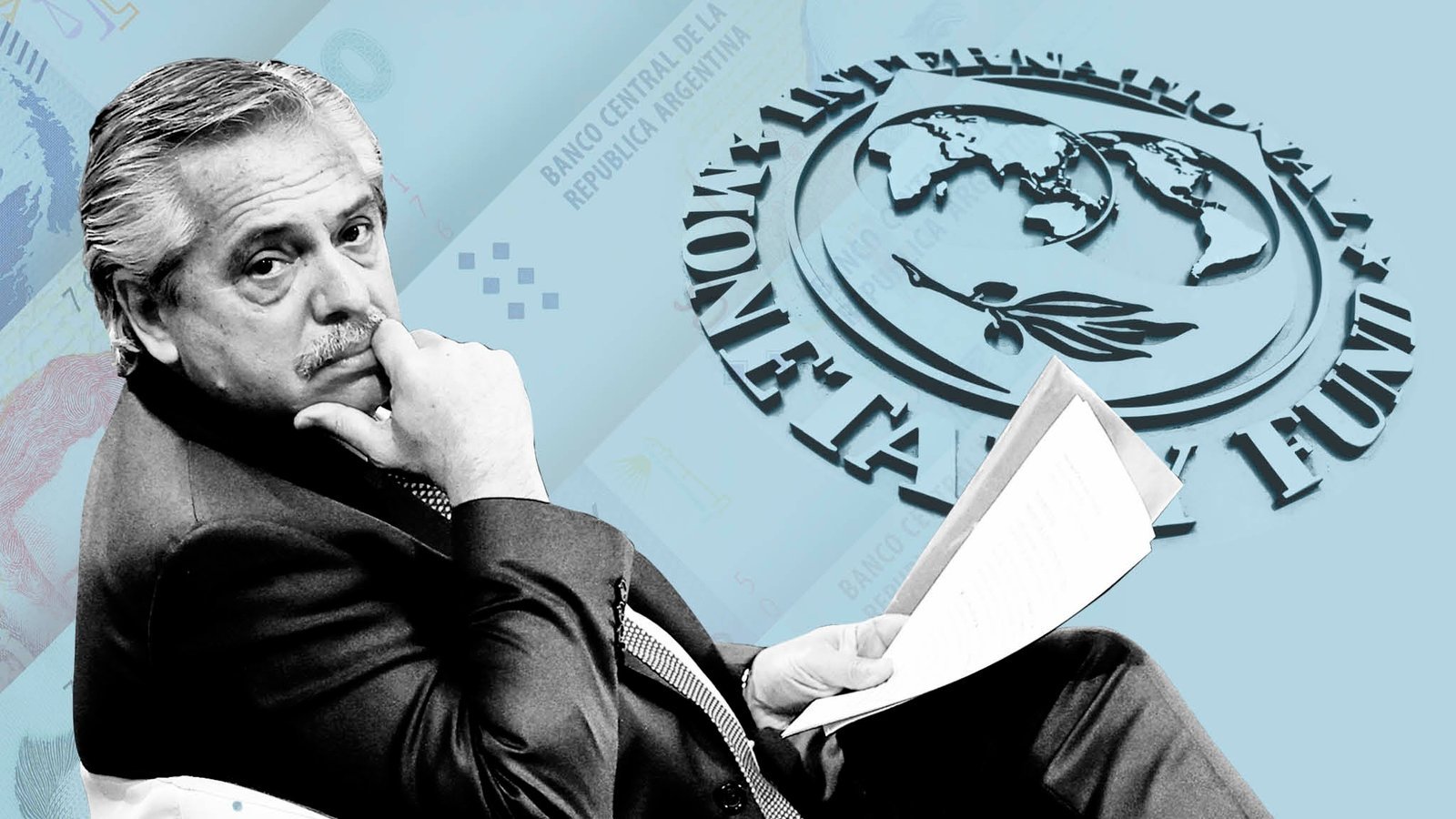
Argentina’s economic woes are set to receive a much-needed boost as the International Monetary Fund (IMF) and the country reach a staff-level agreement. The agreement unlocks access to $7.5 billion in funds from the IMF to support Argentina’s struggling economy, which has been grappling with a tough economic backdrop.
The agreement aims to address Argentina’s policy efforts and immediate balance of payments needs, providing crucial assistance while the country’s presidential race is underway. The winner of the election will take office in December, adding further significance to the timely disbursement.
The backdrop to the agreement has been a challenging economic environment in Argentina. The country faced setbacks, with key program targets through end-June being missed due to the impact of a severe drought, along with policy slippages and delays.
The $7.5 billion disbursement is part of a larger 30-month arrangement, initially approved in March 2022, which totals $44 billion. The funds are expected to play a vital role in keeping the South American nation afloat and stabilizing its economic trajectory.
The agreement, however, is still pending approval by the IMF Executive Board. Once approved, it will ease some of the program requirements to accommodate the current economic challenges faced by Argentina.
One of the key measures covered in the agreement is the projection of a more gradual accumulation of reserves. The target for reserves by the end of 2023 is around $1 billion, a significant reduction from the previous goal of $8 billion set during the fourth review in March.
The agreement also calls for measures to sustain demand for Argentina’s peso currency, including keeping policy interest rates sufficiently positive in real terms. It also involves new foreign exchange taxes for imported goods to tamp down import demand, and expenditure controls to enhance fiscal sustainability.
The economic challenges in Argentina have also led to the introduction of more peso exchange rates by the government to prevent further drainage of liquid currency reserves from the central bank. As these measures go against the introduction of multiple currency practices, the program will need waivers.
The Argentine authorities will have to take additional measures known as “prior actions” between the staff-level agreement and board approval. This commitment underscores the government’s determination to navigate through the economic crisis and implement necessary reforms.
The next review is expected to occur earlier than initially scheduled, taking place in November. Furthermore, Argentina faces upcoming debt maturities on July 31 and August 1, for which they are actively seeking financing from various sources to meet these obligations.
The IMF’s support through this disbursement is seen as critical to stabilizing Argentina’s economy, bolstering reserves, and creating a more sustainable and resilient growth trajectory. It is hoped that the funds will help mitigate the impact of the drought and policy challenges, providing a lifeline during this economically testing period.
By: Montel Kamau Serrari Financial Analyst 29th July, 2023
photo source Google