Introduction: Striking the Balance Between Revenue and Growth
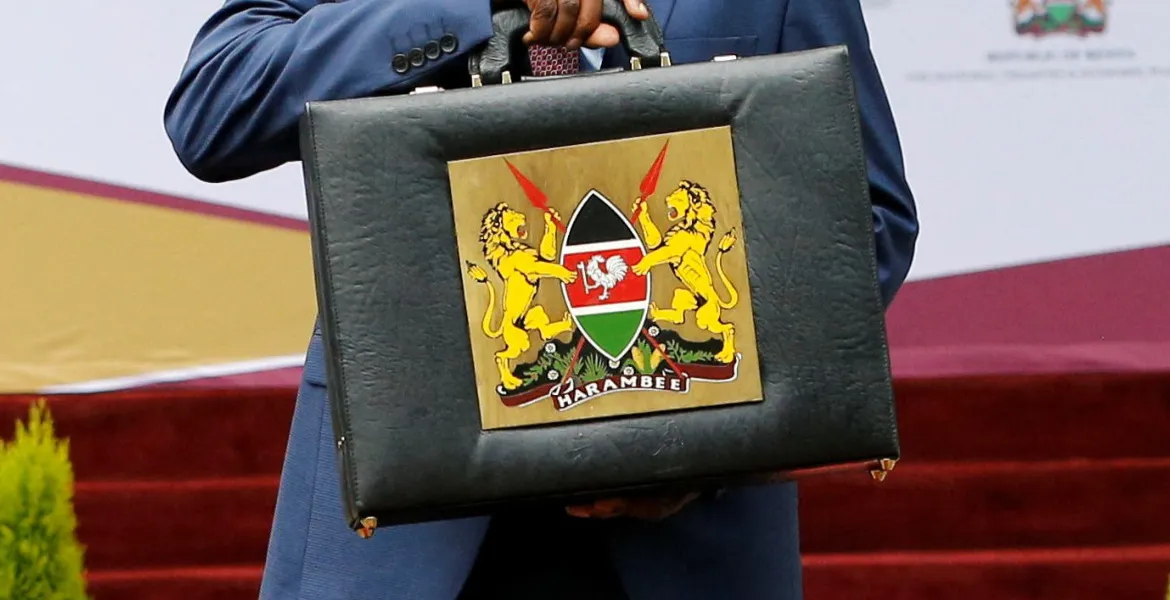
The Institute of Certified Public Accountants of Kenya (ICPAK) has formally submitted a sweeping set of 39 recommendations on the Finance Bill 2025, urging Parliament to adopt measures that raise revenue without stifling economic growth or overburdening taxpayers. In a presentation on 27 May 2025, ICPAK’s delegation emphasized that tax policy must be both efficient and fair, aligning with Kenya’s Medium-Term Revenue Strategy (MTRS) while safeguarding key sectors such as manufacturing, housing and green energy (People Daily).
Economic Backdrop: Headwinds and Fiscal Pressures
Kenya’s economy has faced mounting challenges in recent years:
- Slowing Growth: Real GDP growth decelerated from 5.7% in 2023 to an estimated 4.7% in 2024, weighed down by climate shocks, the fallout from the 2024 Finance Bill protests and constrained public spending.
- Tax-to-GDP Gap: Despite efforts, Kenya’s tax-to-GDP ratio fell from 15.5% in 2014 to 13.1% in 2020, even after pandemic-era relief measures. By comparison, Rwanda and Burundi collect over 17% of GDP in taxes—placing Kenya in the lower tier among East African Community (EAC) peers.
- Revenue Targets: The Kenya Revenue Authority (KRA) aims to lift tax revenues to KSh 3.3169 trillion (approx. 27% of GDP) in FY 2025/26, up from KSh 2.407 trillion in FY 2023/24—an 11.1% increase that still missed its KSh 2.52 trillion target.
- IMF Advice: The International Monetary Fund has cautioned against heavy reliance on new taxes, recommending that Kenya first rationalize spending and improve tax administration to restore public trust (hrw.org).
ICPAK’s Overarching Principles
In its submission, ICPAK underscores four guiding principles:
- Sustainability: Tax measures must generate stable revenues over the medium term without sharp rate changes.
- Competitiveness: Kenya’s rates should align with global (23.51%) and African (27.28%) averages to attract foreign direct investment (Cliffe Dekker Hofmeyr).
- Equity: The burden must be shared fairly, with targeted relief for low-income earners and key industries.
- Simplicity: Complex rules raise compliance costs and encourage evasion—procedural reforms are essential.
These principles inform their detailed proposals across income tax, value-added tax (VAT), excise duty and tax administration.
Income Tax Reforms: Fueling Investment and Disposable Income
ICPAK’s 15 income-tax recommendations aim to lower Kenya’s headline rates and ease burdens on businesses and workers:
| Proposal | Current Law | ICPAK Recommendation | Rationale |
| Corporate tax | 30% flat | Reduce to 28% | Align with EAC peers; improve investment climate |
| Loss carryforward | 5-year cap | Extend to 15 years; indefinite for investment allowances | Support long-gestation projects and capital-intensive sectors |
| PAYE bands | Top rate 35% | Lower top marginal to 28% | Increase take-home pay; harmonize with Ghana’s 25% top rate |
| Real estate firms | 30% | Retain 15% for firms building 100+ affordable homes | Advance the Bottom-Up Economic Transformation Agenda (BETA) |
| Terminal dues | Taxed | Exempt for dependents of deceased employees | Provide social relief |
By trimming the corporate tax rate to 28%, Kenya would move closer to the African average of 27.28% and well within reach of OECD norms, boosting compliance and cross-border competitiveness (Reuters). Extending loss-carryforward periods to 15 years would particularly benefit manufacturing, agro-processing and clean-energy ventures that require sustained upfront investment.
VAT Reforms: Stimulating Consumption and Simplifying Compliance
Kenya’s 16% VAT generates roughly 35% of total revenues but faces vulnerabilities from refunds backlogs and narrow bases. ICPAK proposes:
- Gradual rate cut: 16% ➔ 15%, with a roadmap to 14% by 2028 to stimulate demand and reduce evasion.
- Targeted exemptions: Preserve zero-rating for specialised hospital equipment, solar/wind energy machinery and vehicle-assembly inputs to support healthcare, green energy and manufacturing.
- WHVAT reform: Eliminate withholding VAT to ease cashflow for exporters and manufacturers burdened by perpetual credits.
- Penalty reduction: Lower the general VAT penalty from KSh 1 million to KSh 100,000 to make fines proportionate and enforceable.
A modest 1‐point rate cut could boost consumption by an estimated 0.3% of GDP, while streamlining WHVAT would unclog the pipeline of KSh 150 billion in stuck credits, according to KRA data (IMF).
Excise Duty Adjustments: Strengthening Local Industries
Excise duties contribute 15% of tax revenues, but certain levies hamper nascent sectors. ICPAK’s 8 excise duty proposals include:
- Digital lenders: Amend the definition of digital credit to include non-deposit-taking microfinance institutions, ensuring a level playing field without stifling fintech innovation.
- Plastics duty: Remove excise fees on locally manufactured plastics and allow duty offsets for packaging inputs—critical for the plastic recycling value chain.
- Alcohol and tobacco: Introduce graduated rates to curb youth uptake while capturing more revenue from premium products.
Tax Administration & Procedural Reforms
Beyond rates, ICPAK stresses that compliance costs and administrative bottlenecks deter voluntary tax participation. Their VAT & income-tax procedure recommendations include:
- E-filing enhancements: Upgrade the iTax portal for improved uptime and user experience, reducing KRA’s customer-service workload by 30%.
- Audit charter: Publish a Taxpayer Rights and Obligations Charter to clarify the audit process, limiting desk audits to 12 months and field audits to 24 months.
- Penalty waivers: Empower the KRA Commissioner to waive penalties and interest in genuine cases of taxpayer error or hardship—a reform effective 1 July 2025.
- Advance Pricing Agreements: Introduce APAs to provide multinationals greater certainty on transfer pricing, encouraging continued investment.
These procedural changes aim to reduce the average time to complete an audit from 18 months to 9 months, aligning Kenya with OECD best practices and improving the country’s Doing Business ranking (World Bank Data).
Sector Spotlight: Manufacturing under Threat
The manufacturing sector—employing 10% of the workforce—expanded just 2.8% in 2024 and now contributes 7.3% of GDP, down from 7.5% the prior year. ICPAK warns that:
- Excise hikes on locally produced plastics could raise input costs by 12%, undermining competitiveness and driving factories to smuggle cheaper imports.
- Higher corporate taxes threaten to stall planned auto-assembly projects, which have already committed over $300 million in capital expenditure under Kenya’s Auto Park initiative.
Stakeholder Reactions: Balancing Optimism and Caution
Business Community
- The Kenya Private Sector Alliance (KEPSA) has broadly welcomed calls to lower corporate rates but urges caution on VAT cuts, warning of possible KSh 40 billion in revenue shortfalls if the rate drops too quickly.
Labour and Civil Society
- The Central Organization of Trade Unions (COTU-K) supports lowering PAYE top rates but calls for better social-security contributions to fund universal healthcare.
- Transparency International Kenya backs procedural reforms and an APA regime to curb transfer-pricing abuses and protect tax bases.
Government
- Treasury Cabinet Secretary Njuguna Ndung’u has signaled openness to trimming the corporate rate but remains cautious on VAT, noting that the MTRS envisages gradual adjustments to avoid destabilizing revenues (IEA Kenya).
Geopolitical Context: Keeping Pace with Regional and Global Trends
Kenya’s reforms must be viewed within a broader economic landscape:
- EAC Integration: Harmonizing rates with EAC partners can facilitate cross-border trade under the Common Market Protocol.
- Global Tax Reform: The OECD’s Two-Pillar Solution on Base Erosion and Profit Shifting (BEPS) requires Kenya to implement a 15% global minimum tax by 2025, further justifying a competitive headline rate.
- Digital Economy: As Kenya advances mobile money and fintech, tax policy must accommodate new business models—e.g., clarifying digital-lender levies to protect both consumers and innovators.
By aligning its Finance Bill with these multilateral frameworks, Kenya can secure trade preferences, investment treaties and development-finance partnerships that hinge on sound fiscal policy.
Conclusion: Seizing the Window for Reform
ICPAK’s comprehensive package offers a blueprint for Kenya to:
- Recover from debt distress: By lowering debt-servicing costs through a stronger growth trajectory and stable revenues.
- Revive private-sector investment: With competitive tax rates that signal a pro-business stance.
- Protect vulnerable groups: Through targeted exemptions and more disposable income via PAYE relief.
- Improve governance: By streamlining procedures and codifying taxpayer rights.
As the National Assembly debates the Finance Bill 2025, lawmakers face a critical choice: pursue aggressive tax hikes that risk repeating last year’s unrest, or adopt balanced reforms that foster sustainable growth and shared prosperity. ICPAK’s proposals, grounded in data and best practice, provide a roadmap to achieve both fiscal and social objectives—ensuring Kenya remains on track to meet its Vision 2030 goals and compete on the global stage.
Ready to take your career to the next level? Join our dynamic courses: ACCA, HESI A2, ATI TEAS 7 , HESI EXIT , NCLEX – RN and NCLEX – PN, Financial Literacy!🌟 Dive into a world of opportunities and empower yourself for success. Explore more at Serrari Ed and start your exciting journey today! ✨
photo source: Google
By: Montel Kamau
Serrari Financial Analyst
29th May, 2025