💡 Quick Answer:
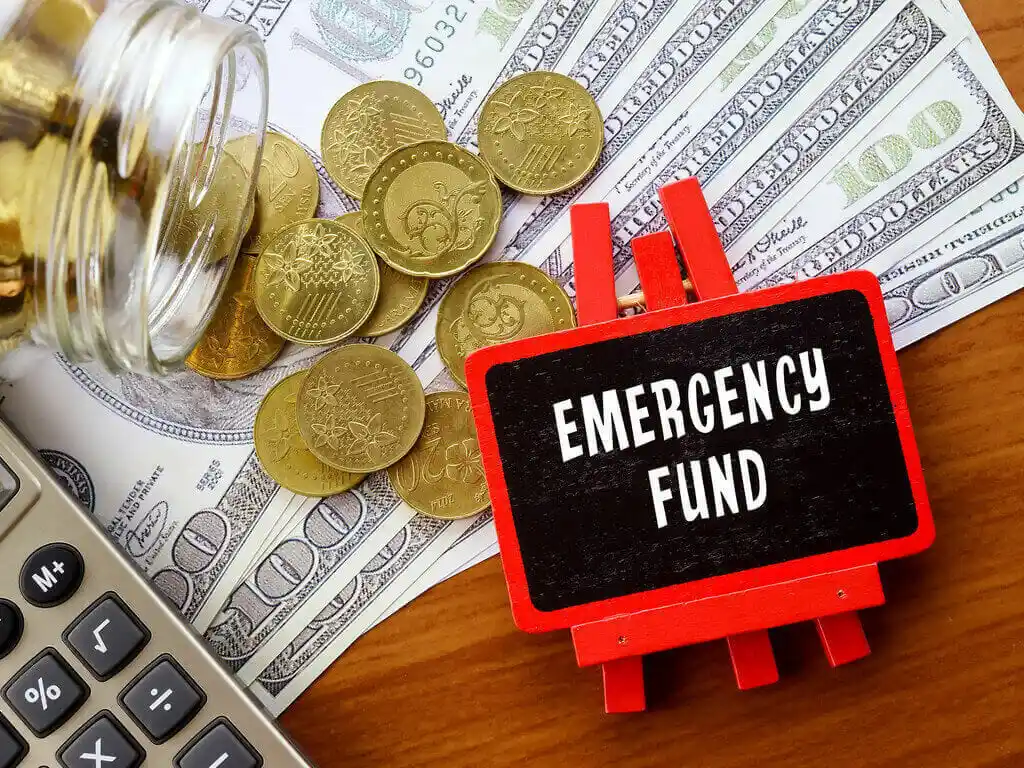
An emergency fund is money set aside to cover unexpected expenses like medical bills, job loss, or urgent repairs. Financial experts often recommend saving 3–6 months of living expenses in an easily accessible account.
Imagine This
Your laptop breaks unexpectedly.
Repair cost:
💰 KSh 25,000
If you don’t have savings, you might need to:
- borrow money
- use expensive digital loans
- delay the repair
But if you have an emergency fund, you can pay for the repair immediately without financial stress.
What Is an Emergency Fund?
An emergency fund is money saved specifically for unexpected situations.
Examples include:
✔ medical emergencies
✔ job loss
✔ urgent home repairs
✔ car breakdowns
✔ unexpected travel
This money acts as a financial safety net.
How Much Should You Save?
A common recommendation is to save 3–6 months of essential expenses.
Example:
| Monthly Expenses | Emergency Fund Target |
| KSh 30,000 | KSh 90,000 – KSh 180,000 |
| KSh 50,000 | KSh 150,000 – KSh 300,000 |
This ensures you can survive financially during difficult times.
Step 1: Calculate Your Monthly Expenses
Start by identifying your essential expenses.
Examples:
- rent
- food
- transport
- utilities
- insurance
These costs determine the size of your emergency fund.
Step 2: Set a Monthly Savings Target
Saving small amounts regularly makes the process easier.
Example:
| Monthly Savings | Time to Reach KSh 100,000 |
| KSh 5,000 | 20 months |
| KSh 10,000 | 10 months |
| KSh 20,000 | 5 months |
Consistency is more important than saving large amounts at once.
Step 3: Choose Where to Keep Your Emergency Fund
Your emergency fund should be easy to access but safe.
Common options include:
- savings accounts
- money market funds
- SACCO deposits
Money market funds are managed by fund managers regulated by the Capital Markets Authority.
Step 4: Automate Your Savings
One of the easiest ways to build an emergency fund is to automatically transfer money every month.
Example:
💰 Salary received → automatic transfer to savings
Automation helps you stay disciplined.
Step 5: Use the Fund Only for Emergencies
Your emergency fund should only be used for true emergencies.
Not for:
❌ shopping
❌ vacations
❌ entertainment
Protecting the fund ensures it is available when you truly need it.
Example
Imagine someone saves:
💰 KSh 8,000 per month
After one year they will have saved:
💰 KSh 96,000
This can provide financial support during unexpected situations.
Why Emergency Funds Are Important
Emergency funds help you:
✔ avoid debt during crises
✔ reduce financial stress
✔ handle unexpected expenses
✔ maintain financial stability
It is one of the first steps in personal financial planning.
Common Mistakes to Avoid
❌ waiting to start saving
❌ using the fund for non-emergencies
❌ keeping the money somewhere difficult to access
Even small contributions can grow into a useful emergency fund.
Frequently Asked Questions
How long does it take to build an emergency fund?
It depends on how much you save each month and your financial goals.
Can I start with a small amount?
Yes. Starting small and saving consistently is the best approach.
Where should I store my emergency fund?
Choose a place that is safe, accessible, and earns some interest.
Final Thoughts
Building an emergency fund is one of the most important steps toward financial stability.
By saving consistently and protecting the fund for emergencies, you create a financial cushion that can help you handle unexpected challenges.
Quick Tip
Start by saving even KSh 1,000 per month and increase the amount as your income grows.
Photo Source: Google