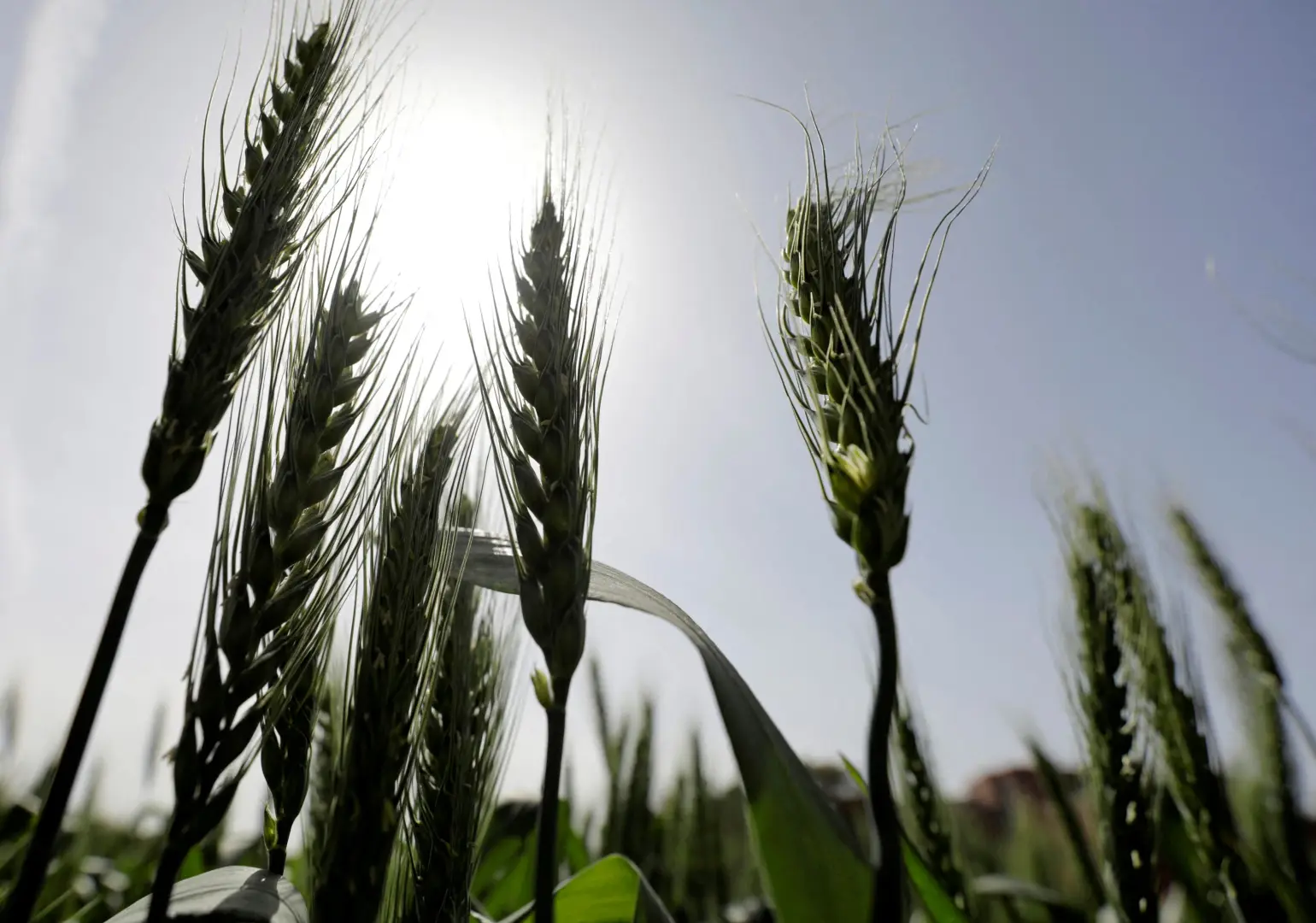
Chicago wheat futures tumbled to their lowest levels in five years on Tuesday, as increasing exports from top shipper Russia raised concerns about abundant global supply that continues to weigh heavily on international grain markets.
The most-active wheat contract on the Chicago Board of Trade (CBOT) fell 0.6% to $4.93-3/4 a bushel at 0553 GMT after touching its lowest level since August 2020, marking a significant milestone in what has been a prolonged period of price weakness for the crucial commodity. Soybean futures also lost 0.4% to $10.04 a bushel, while corn eased 0.1% to $4.10-1/2 a bushel, reflecting widespread pressure across agricultural commodity markets.
Build the future you deserve. Get started with our top-tier Online courses: ACCA, HESI A2, ATI TEAS 7, HESI EXIT, NCLEX-RN, NCLEX-PN, and Financial Literacy. Let Serrari Ed guide your path to success. Enroll today.
Russian Production and Export Surge
The downward pressure on wheat prices intensified last week following updated production estimates from Russian consultants Sovecon, which raised their 2025 Russian wheat production forecast from 87.2 million tons to 87.8 million tons, reflecting record yields in Siberia. This upward revision signals that Russia, the world’s largest wheat exporter, will have even more grain available for international markets than previously anticipated.
According to market analysts at IKON Commodities, Russian wheat shipments are already picking up steam due to rising demand, with Black Sea f.o.b. values trending higher in recent weeks despite the overall downward pressure on global prices. Sovecon’s first estimate for October exports ranges from 4.7 to 5.2 million tonnes, compared to 5.6 million tonnes a year ago and an average of 4.5 million tonnes for the month.
The Russian agricultural sector has faced significant volatility throughout 2025, with early-season export constraints giving way to increased shipments as harvest progressed. While drought conditions in some regions, including the Rostov area which accounts for about 10% of national output, initially threatened to reduce the harvest significantly, favorable conditions in Siberia and other key production zones ultimately resulted in above-average yields.
However, Russia’s wheat export program remains subject to government controls designed to balance domestic food security concerns with export revenue objectives. In early 2025, the Russian government announced a dramatic reduction in its wheat export quota for the second half of the marketing year, from 29 million tonnes in 2024 to just 11 million tonnes, in an effort to preserve domestic supplies and combat rising food inflation.
Southern Hemisphere Harvest Expectations
Adding to the supply pressure, traders expect large harvests in Argentina and Australia to hit the market over the coming months, further saturating global supplies. Although Australia and Argentina produce only 6% of the world’s wheat, they are projected to export 15% of world wheat exports, making them influential players in the international market.
Argentina’s 2024/25 wheat harvest concluded with 18.6 million tonnes, a 23% increase compared with the previous cycle, supported by a 7% growth in planted area to 6.3 million hectares. This growth was driven by favorable weather in autumn and improved pricing that encouraged producers to allocate more land to the crop. The recovery in yields, which reached 30.4 quintals per hectare, was 7% above the previous campaign, with key regions such as the northern core and southwestern Buenos Aires province instrumental in achieving these results.
Argentina’s government recently removed export taxes on grain temporarily, a move that has increased the country’s competitiveness in international markets and added further downward pressure on global wheat prices. This policy change, which came as the Trump administration pledged to bolster Argentina’s economy with a $20 billion currency swap, has intensified competition for market share, particularly in Asian markets traditionally dominated by U.S. and Russian wheat.
In Australia, the 2025-26 wheat production is forecast to reach approximately 33.8 million tonnes, down slightly from previous years but still 22% above the 10-year average. Australian harvest is now complete, with the country’s premium white wheat positioned to compete directly with U.S. hard red winter wheat in key export markets.
Benign Global Crop Conditions
Crop conditions in most major wheat-producing regions have been benign this year, contributing to the current supply abundance. While some areas have faced challenges—including consistent rainfall in parts of China that is disrupting harvest operations—the overall global production picture remains robust.
France, the European Union’s largest wheat producer and exporter, has faced planting delays due to persistent wet weather, with farmers managing to plant only 21% of the expected 2025 soft wheat area by late October, far behind the five-year average of 47%. However, these planting delays are not expected to significantly impact the EU’s overall wheat production, which remains adequate to meet domestic demand and export commitments.
The combination of abundant supplies from the Northern Hemisphere’s recently completed harvest and expectations of strong Southern Hemisphere production has created a supply glut that shows no signs of abating. Global wheat stocks remain elevated, and with no major weather threats on the horizon that might reduce production, prices have found little support.
US Wheat Positioning and Market Dynamics
Ole Houe, director of advisory services at IKON Commodities in Sydney, noted that CBOT wheat has become so cheap that it will inevitably find buyers. “Prices in physical markets are holding up. U.S. wheat is now the cheapest in the world and it will likely find support in the near future,” he said, adding that Chicago corn and soybeans may continue to fall due to U.S. harvest pressure.
The depressed wheat prices represent both a challenge and an opportunity for U.S. farmers and grain traders. While low prices squeeze profit margins for producers, the competitive pricing of U.S. wheat makes American grain more attractive to international buyers who have been sourcing from Russia and other origins during periods when U.S. wheat was relatively expensive.
According to industry analysts, Canada and the United States have picked up some Asian business because of Russia’s diminished presence in that market during the early months of the 2025-26 marketing year, when Russian wheat exports were unexpectedly lacklustre due to logistical complications.
U.S. winter wheat planting was estimated to be 50% finished as of early October, according to polling by Reuters, with the crop generally establishing well in favorable soil moisture conditions across most of the major production regions in the Great Plains.
One decision can change your entire career. Take that step with our Online courses in ACCA, HESI A2, ATI TEAS 7, HESI EXIT, NCLEX-RN, NCLEX-PN, and Financial Literacy. Join Serrari Ed and start building your brighter future today.
Soybean Market Tensions and Trade Disruptions
In the soybean market, attention remains locked on China, the world’s biggest soybean importer, which has halted purchases from the United States and is buying from South America instead. The disruption to this critical trade relationship has become a flashpoint in the broader U.S.-China trade confrontation, with significant implications for American farmers.
President Donald Trump appeared over the weekend to dash hopes of a quick trade deal, though he and other U.S. officials have subsequently softened their rhetoric. China has been buying soybeans heavily from Brazil and Argentina since imposing retaliatory tariffs on U.S. agricultural products earlier this year, leaving American soybean farmers with substantial unsold inventories as the harvest season progresses.
China halted U.S. soybean purchases in response to Trump’s tariffs, with no deliveries recorded in June, July, and August 2025. U.S. soybean exports to China plummeted from 1 billion bushels in 2024 to just 218 million bushels between January and August 2025, a collapse that has devastated pricing and left American farmers scrambling for alternative markets.
On Tuesday, President Trump threatened to terminate U.S. business with China regarding cooking oil in retaliation for Beijing’s refusal to buy U.S. soybeans, calling it an “Economically Hostile Act.” The president wrote on Truth Social that China is “purposefully not buying our Soybeans, and causing difficulty for our Soybean Farmers,” and suggested that ending business with China on cooking oil and “other elements of Trade” are possible forms of “retribution.”
China, which imported some 27 million metric tons of U.S. soybeans valued at nearly $12.8 billion in 2024 alone, has instead turned to Argentina and Uruguay to fill the supply gap. Chinese processors are expected to buy a record 10 million tonnes of soybeans from the two South American exporters during the 2025/26 marketing year, having already booked 2.43 million tonnes for shipment from September to May next year.
The Trump administration is reportedly considering a significant aid package between $10 billion and $14 billion to help U.S. soybean farmers survive China’s boycott of American beans, though details of the relief effort remain uncertain. Treasury Secretary Scott Bessent indicated that substantial support for soybean farmers could be announced imminently, with the funding potentially drawn from tariff revenues.
Brazilian Soybean Production Acceleration
Adding to the pressure on U.S. soybean farmers, soybean planting for the 2025-26 season in Brazil, the world’s biggest soy producer, is continuing at a rapid pace and could result in a record harvest. Brazilian farmers are expected to harvest a record 177.64 million metric tons of soybeans in the 2025-26 season, according to crop agency Conab, representing approximately 40% of global soybean production.
The forecast represents a 3.6% increase in planted area to 49 million hectares, with Parana state soy farmers the most advanced in planting at 31% of the area already sown, followed by Brazil’s top farm state Mato Grosso with 18.9% of fields already planted. Brazilian exports are projected to surpass 112 million tons in the new marketing year, more than double that of the next-largest exporter, the United States.
The expansion of Brazilian soybean production represents a long-term structural challenge for U.S. agriculture, as the South American nation has steadily increased its market share in China and other key importing countries. Brazil’s competitive advantages include a favorable exchange rate, with the Brazilian real trading at around R$5.5 to USD $1, making Brazilian agricultural commodities highly competitive in international markets, as well as lower production costs and closer geographic proximity to some major Asian markets.
During the recent Farm Progress Show in Decatur, Illinois, agricultural economists and farmers discussed Brazil’s continuing expansion of soybean area and production, with consultant AgResource estimating Brazil’s 2025-26 soybean crop at a record 176.5 million tonnes. The Brazilian government is actively working to convert degraded pastures into farmland, with the National Supply Company (CONAB) estimating that soybean acreage will reach nearly 56 million hectares by 2032/33, with production climbing to 186.7 million tonnes.
Farmer Concerns and Economic Impact
The combination of weak wheat prices and disrupted soybean trade has created significant economic pressure for American farmers, many of whom were already dealing with high input costs and narrow profit margins before the current market downturn began.
Caleb Ragland, president of the American Soybean Association, warned that time is running low for the U.S. and Chinese governments to strike a deal, because China has already ordered soybeans from Brazil and Argentina for deliveries through December. “If they get another couple months, they’re into new crop soybeans in Brazil and Argentina,” Ragland said, noting that this could result in China bypassing the U.S. market entirely for an extended period.
“It’s just unfortunate that we’re being used as a bargaining chip in this trade war that’s not of our own doing,” Ragland stated, expressing the frustration felt by many farmers who see their livelihoods caught in the crossfire of international trade disputes. Before the trade war, farmers were already pinched by high costs and low crop prices, and the loss of their biggest customer has intensified the financial strain.
In the first Trump administration’s trade war with China, the government provided more than $22 billion in aid payments to farmers in 2019 and nearly $46 billion in 2020, though the latter also included aid related to the COVID pandemic. However, farmers consistently emphasize that they would prefer to sell their crops on the market rather than rely on government support.
“All farmers are proud of what they do and they don’t like handouts. We’d rather make it with our own two hands than have it handed to us,” Iowa farmer Robb Ewoldt told Fortune, reflecting the sentiment common among agricultural producers who view government aid as a last resort rather than a sustainable solution.
Looking Ahead: Market Outlook and Uncertainties
The outlook for grain prices in the coming months remains clouded by numerous uncertainties, from weather patterns affecting crop development in various regions to the trajectory of U.S.-China trade negotiations and their impact on agricultural commodity flows.
For wheat, market analysts suggest prices should stabilize around the 15-year average, though current prices remain well below that benchmark. The anticipated influx of Southern Hemisphere wheat from Australia and Argentina over the coming months is expected to keep pressure on prices in the near term, even as some buyers may be attracted by the historically cheap valuations for U.S. wheat.
Weather conditions will be critical in determining whether the current supply abundance persists or begins to tighten. While crop conditions have generally been favorable in most major producing regions in 2025, any significant weather disruptions during planting or growing seasons for the 2026 crops could quickly shift market dynamics and provide support for prices.
In the soybean market, the resolution of U.S.-China trade tensions remains the paramount concern. Trump and Chinese President Xi Jinping are expected to meet at the annual summit of the Asia Pacific Economic Cooperation grouping, and soybeans are expected to be a major topic of discussion. However, the timing of any potential agreement remains uncertain, and many analysts question whether a deal can be reached in time to allow U.S. farmers to capture any significant sales for the current crop year.
The longer the trade dispute persists, the more firmly China’s soybean supply chains may become oriented toward South American origins, potentially resulting in a permanent loss of market share for U.S. producers. This structural shift would have profound implications for American agriculture and rural economies across the Midwest, where soybeans are a cornerstone crop.
Broader Agricultural Market Implications
The current situation in wheat and soybean markets reflects broader challenges facing global agriculture, including the interplay between geopolitical tensions and agricultural trade, the impacts of climate variability on production, and the ongoing evolution of global supply chains as new producing regions expand their capabilities.
The depression in grain prices across multiple commodities—wheat, corn, and soybeans—has created financial stress throughout agricultural value chains, from farmers and grain elevators to equipment manufacturers and rural banking institutions. While consumers may benefit from lower food prices in the short term, the long-term sustainability of agricultural production depends on farmers receiving adequate returns to cover their costs and maintain their operations.
For international grain traders and food companies, the current environment presents both risks and opportunities. The dislocation in traditional trade flows creates openings for new business relationships and supply chain configurations, while the price volatility and political uncertainties demand sophisticated risk management and careful strategic planning.
As the 2025 harvest season draws to a close in the Northern Hemisphere and Southern Hemisphere plantings progress, market participants will be watching closely for signals about how the balance between supply and demand may evolve in the months ahead. The interplay between Russian export policies, Southern Hemisphere harvest outcomes, U.S.-China trade negotiations, and the decisions of millions of farmers about what and how much to plant in 2026 will determine whether the current price weakness persists or gives way to a period of recovery and stabilization.
Ready to take your career to the next level? Join our Online courses: ACCA, HESI A2, ATI TEAS 7 , HESI EXIT , NCLEX – RN and NCLEX – PN, Financial Literacy!🌟 Dive into a world of opportunities and empower yourself for success. Explore more at Serrari Ed and start your exciting journey today! ✨
Track GDP, Inflation and Central Bank rates for top African markets with Serrari’s comparator tool.
See today’s Treasury bonds and Money market funds movement across financial service providers in Kenya, using Serrari’s comparator tools.
photo source: Google
By: Montel Kamau
Serrari Financial Analyst
15th October, 2025