The International Energy Forum (IEF) and Synmax, a satellite data analytics company, have jointly released a report titled “Fragile Equilibrium: LNG Trade Dynamics and Market Risks,” outlining the impressive trajectory of the global liquefied natural gas (LNG) market.
Global LNG trade, reaching a record high in 2022, is anticipated to grow by 25%, totaling 500 million tons annually within the next five years. China’s ascent to the world’s largest LNG importer and the United States’ recognition as the leading LNG exporter in 2023 are key factors driving this surge.
Secretary General of the IEF, Joseph McMonigle, highlighted the crucial role of LNG in global economic growth and energy security, stating, “LNG is in greater demand than ever before and continues to drive economic growth and enhance energy security across the world.”
The report underscores the impact of geopolitics on LNG trade flows and investments, citing the 2022 Ukraine crisis as a transformative event. As European buyers turned to LNG due to a decline in Russian gas production, global prices surged, creating a supply crunch for emerging economies.
Europe’s dramatic increase in LNG demand, now constituting over 50% of gas demand compared to 12% a decade ago, is noted. Regasification capacity is anticipated to grow by 48% by 2030, replacing the role of Russian pipeline gas.
Looking ahead, southeast Asia is projected to become a new hotspot for LNG imports, with demand expected to double by the end of the decade. Ten new importers are anticipated to enter the market in the next two years, driven by the adoption of LNG for cooking and power generation.
US LNG exports have surged by 135% since 2019, reaching 36 countries. The US is poised to remain the largest source of LNG supply growth, with export capacity expected to increase by 17% by 2025 and a significant 43% by 2028.
Despite recent growth, the report cautions that LNG markets remain fragile due to robust demand amidst escalating geopolitical risks. Potential disruptions and volatile prices pose challenges, impacting emerging economies.
Having claimed the title of the largest LNG importer globally in 2023, China is expected to bolster its share of active global LNG contracts to nearly 25% by 2030, strengthening the influence of Chinese companies in LNG trading.
The report concludes by emphasizing the necessity for governments to invest in diverse energy sources and technologies, including gas and LNG infrastructure. The global LNG trade is on the brink of an exciting era, with evolving dynamics and new players entering the scene, promising a future of both challenges and opportunities in the world of liquefied natural gas.
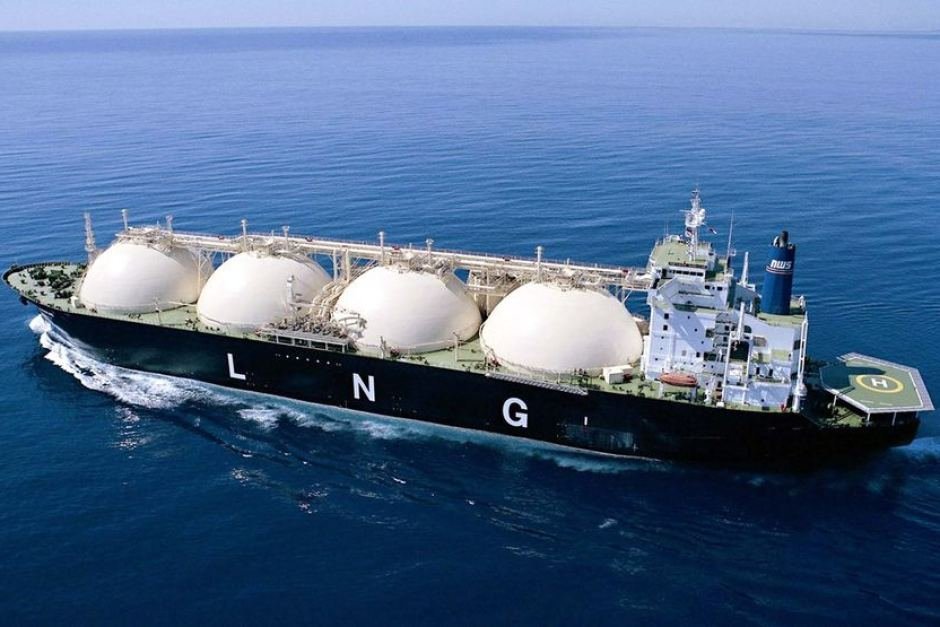
Photo (marine-digital)
By: Montel Kamau
Serrari Financial Analyst
16th November, 2023