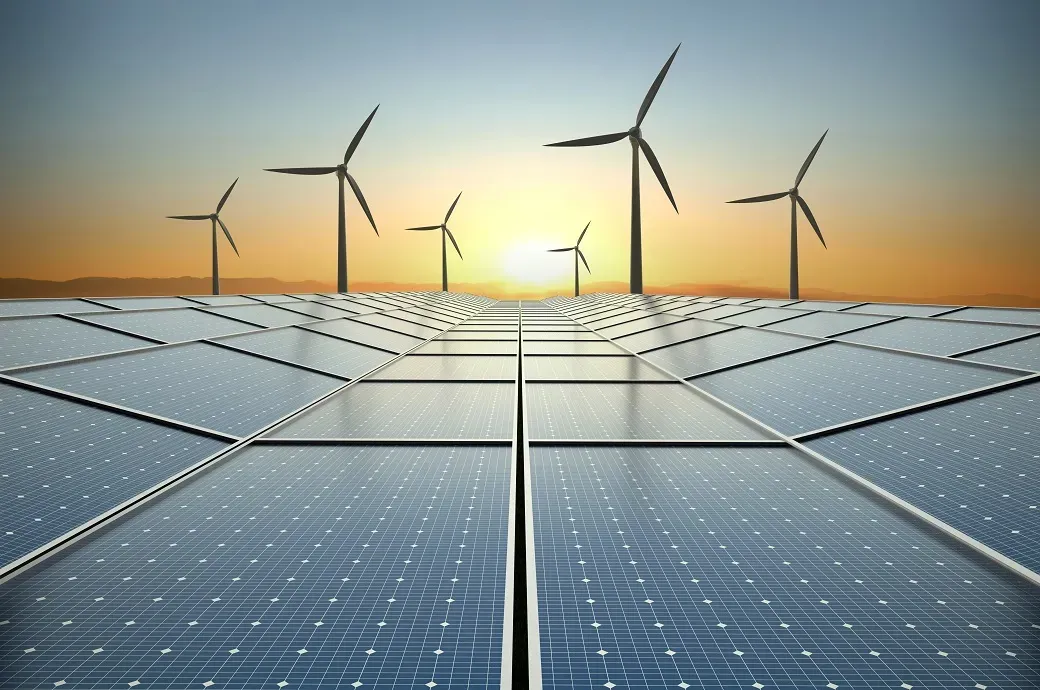
Global energy investment is set to reach a record $3.3 trillion in 2025, according to the latest World Energy Investment 2025 report by the International Energy Agency (IEA). Despite uncertainties from economic pressures and geopolitical tensions, the lion’s share of capital is flowing into clean energy—$2.2 trillion, roughly double fossil-fuel spending of $1.1 trillion (reuters.com).
Key takeaway: The energy world is witnessing an irreversible tilt toward a new “Age of Electricity,” driven by solar, batteries, nuclear, grids, and electrification.
Why the Surge in Energy Investment?
a) Energy Security in a Turbulent World
Amid geopolitical and trade volatility, countries and corporations are doubling down on energy resilience. IEA Director Fatih Birol emphasized that “energy security is a key driver” behind the record investments (iea.org). Nations are actively insulating themselves against supply shocks, price volatility, and geopolitical disruptions.
b) Economics Favor Electricity Over Fossil Fuels
Electricity-based infrastructures—solar, wind, storage, grids, and EVs—have now become cost-competitive with traditional energy sources. This cost advantage, combined with supportive industrial policies and subsidy frameworks, propels investment flows into cleaner technologies.
Snapshot: Clean Energy vs Fossil Fuels
| Investment Focus | 2025 Projection |
| Clean Energy (incl. renewables, nuclear, storage, EV, hydrogen) | $2.2 trillion |
| Fossil Fuels (coal, oil, gas) | $1.1 trillion |
| Total Energy Investment | $3.3 trillion |
Clean energy grabbing about 67% of total investment indicates a clear pivot in the sector.
Inside Clean Energy’s Lead
a) Solar PV—The Crown Jewel
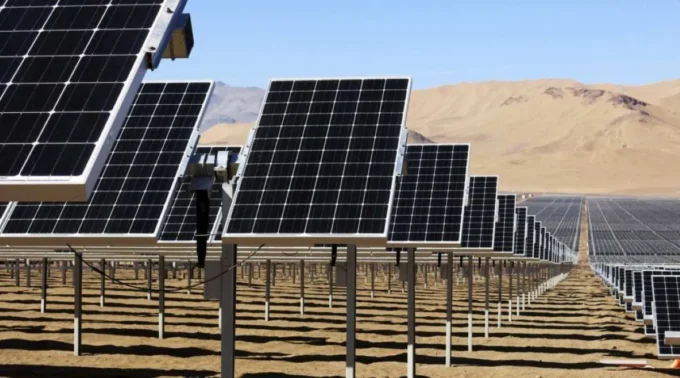
Solar power is expected to take the lion’s share with nearly $450 billion flowing into utility-scale and rooftop PV projects in 2025 (reuters.com). Four main catalysts:
- Falling module prices – driven by Chinese manufacturing & economies of scale.
- Global outreach – developing nations like Pakistan imported 19 GW in 2024 alone (iea.org).
- Industrial policy clarity – esp. in China, the U.S., and Europe.
- Environmental urgency – solar is pivotal for achieving net-zero targets.
b) Ballooning Investment in Battery Storage
To support intermittent renewables, battery storage investment is projected at $65–66 billion in 2025—a near 50% spike in just five years (reuters.com). Storage is rapidly evolving from a supporting tech into a critical enabler of reliability and grid flexibility.
c) Nuclear Makes a Quiet Comeback
Nuclear energy is experiencing a renaissance. Investment has grown 50% over five years, with 2025 expected to top $70–75 billion . Drivers include:
- Advanced nuclear designs, such as small modular reactors (SMRs).
- Retirements of aging plants create a “nuclear replacement gap.”
- Heightened energy security fears prompting nuclear reconsideration.
d) Grids: The Hidden Bottleneck
Despite the green surge, grid infrastructure trails behind. Annual investment is about $400 billion, which pales next to that needed to support renewable build-out. Lags are caused by:
- Complex and lengthy permitting processes.
- Global supply chain constraints on transformers and cables.
- Aging infrastructure failing to keep pace with modern demands.
IEA warns that unless grid investment climbs to match generation spend by the early 2030s, electricity security remains at risk.
Fossil Fuels: Decline—but Not Dead
a) A Dip in Oil Investment
Upstream oil investments are forecast to dip by 6% in 2025—marking the first decline since 2020 (excluding pandemic‐driven slump).
Key forces:
- Oil prices fell from $82 to ~$65/bl after OPEC’s production surge (ft.com).
- A 10% reduction in US shale investment, the most price‐sensitive bloc .
- Shift toward shareholder returns by major oil companies.
b) Gas and LNG: Growth Continues
Natural gas spending holds steady in 2025, with LNG infrastructure investment booming ahead of anticipated capacity ramp-up in 2026–28. New projects in the U.S., Qatar, and Canada will almost double U.S. export capacity to 130 bcm annually.
c) Coal Remains in Asia
Coal investments edge up again (+4% in 2025)—mainly in China and India, driven by surging electricity demand. Notably, China commissioned nearly 100 GW of new coal-fired capacity in 2024—the highest global total since 2015.
However, advanced economies placed zero new coal turbine orders in 2024 (wsj.com)—a milestone in the global phaseout narrative.
Regional Investment Patterns
a) China: The Uncontested Leader
China remains the largest global energy investor, exceeding the EU and U.S. combined. Its dominance is seen across multiple clean technologies: solar, wind, hydro, nuclear, batteries, and EVs.
Over the past decade, China’s share of global clean-energy investment rose from 25% to nearly 33%.
b) Middle East & U.S.: Fossil Focus, but Clean Comes Too
- Middle East: Gains a record share in upstream fossil-fuel investment (≈20% in 2025)
- United States: Tremendous surge in data centers and AI has driven electricity demand, supporting continued investment in gas, nuclear, and renewables.
c) Developing Nations: A Growing Energy Divide
Emerging economies, especially across Africa, still lag—accounting for just 2% of global clean-energy investment . Financing challenges include:
- High financing costs (interest)
- Currency depreciation
- Political and institutional risks
Funding gaps need to be bridged with scaled-up development finance and strategic public-private partnerships.
Structural Trends & Challenges
a) The “Age of Electricity” is Here
Sunlight, wind, batteries, and electrons now occupy more investment share than “molecules” (i.e. fossil fuel supply). Electricity-sector capital—including grids and end-use systems—is projected at $1.5 trillion for 2025—50% above fossil fuel supply investments.
b) Energy Intensity and Efficiency: Weak Spots
Despite progress, spending on efficiency, electrification, and energy-saving infrastructure needs to increase nearly 3-fold to meet ambitious COP28 and net‐zero targets of a 4% annual energy‐intensity improvement.
c) Supply Chain Snarls
- Grid components: Transformers and cables are in short supply, slowing infrastructure builds .
- Clean-tech inflation: Materials like copper, lithium, nickel remain expensive, complicating stable supply.
d) Financing & Policy Gaps
Investors report friction due to weak incentives and unclear regulatory environments, especially in emerging markets. Public finance agencies have a crucial role to catalyze private capital, particularly for scaling clean energy in Africa and Asia .
What Lies Ahead
Short-Term
- Continued momentum in renewables, storage, and nuclear.
- Oil investment down 6%, while LNG builds climb.
- Coal remains used—but only in Asia.
- Grid constraints risk undermining supply stability and renewable integration.
Medium-Term (2026–28)
- Expect a swell in LNG infrastructure.
- Shift towards greater investment in efficiency and electrification.
- Power supply gap emerges: demand growing from AI, EVs, cooling.
Point of No Return?
Though fossil fuels remain central in some regions, clean energy investment trends and technological costs strongly suggest the peak of oil and gas demand may arrive mid-2020s. Still, without policy-backed acceleration in grids, efficiency, and storage, climate targets risk slipping away.
Conclusion
The $3.3 trillion surge in global energy investment isn’t just finance—it’s transformation. It marks a decisive shift toward a cleaner, electric-powered future. The real story goes beyond numbers—it’s about de-risking energy supply, empowering developing countries, decarbonizing global systems, and bringing light (literally) to communities around the world.
Still, investment gaps in grids, energy efficiency, and financing models—especially in emerging markets—pose real threats. Bridging these gaps must be the next global priority if we want not only megawatts and green credentials, but also a resilient, equitable energy legacy.
Ready to take your career to the next level? Join our dynamic courses: ACCA, HESI A2, ATI TEAS 7 , HESI EXIT , NCLEX – RN and NCLEX – PN, Financial Literacy!🌟 Dive into a world of opportunities and empower yourself for success. Explore more at Serrari Ed and start your exciting journey today! ✨
photo source: Google
By: Montel Kamau
Serrari Financial Analyst
9th June, 2025