The German government announced on Monday its commitment to invest €4 billion ($4.37 billion) in African green energy projects by 2030. Chancellor Olaf Scholz emphasized the need for African countries to derive greater benefits from their rich natural resources.
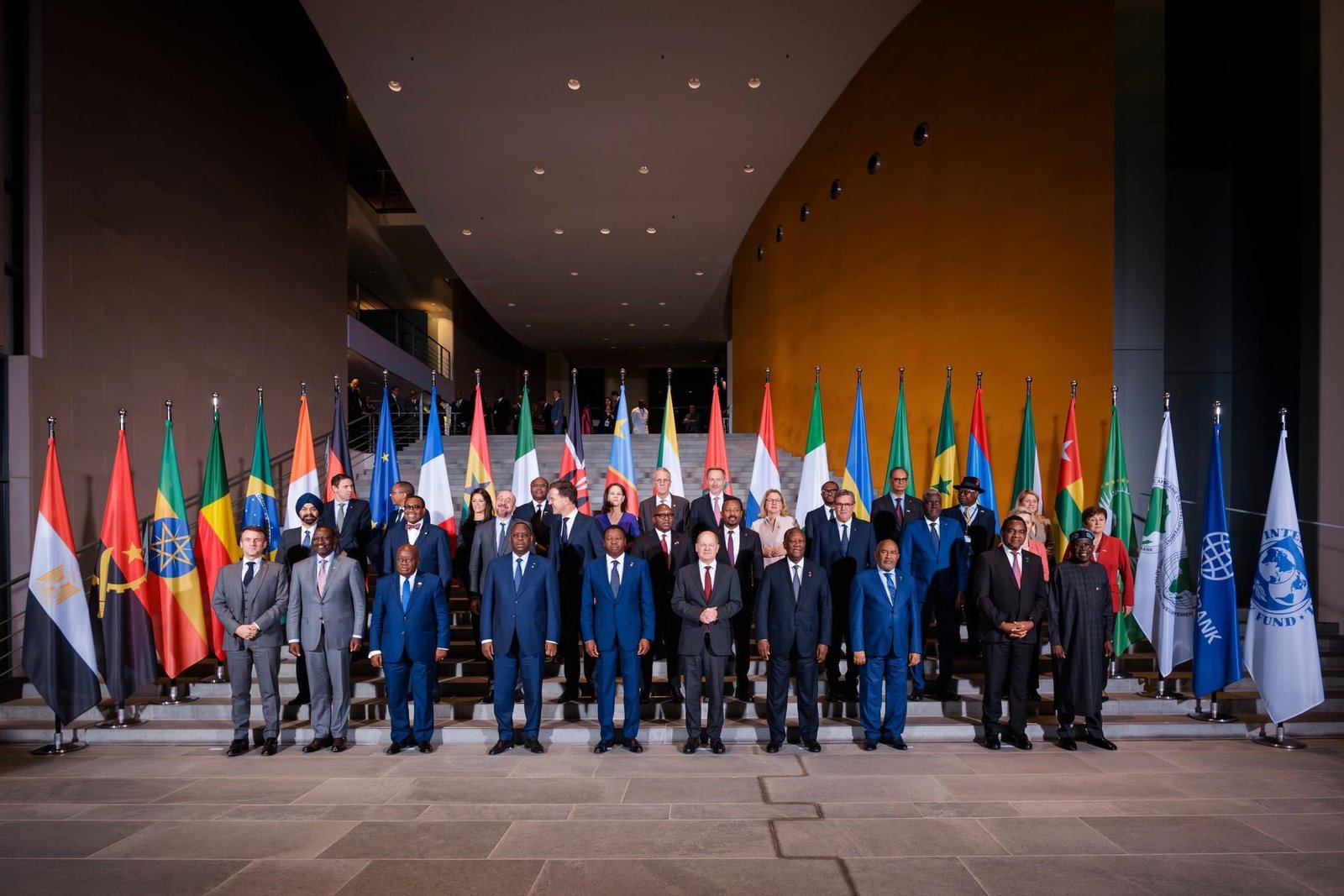
The announcement came during a news conference at the G20 Compact with Africa summit in Berlin, where Scholz discussed the pledge. While specific projects were not mentioned, the chancellor stressed the importance of processing materials for green energy within the African nations that produce them.
Scholz highlighted the potential for job creation and increased prosperity in these countries, stating, “This creates jobs and prosperity in these countries. And the German industry gets reliable suppliers.”
The Compact with Africa initiative, launched by Germany during its G20 chairmanship, forms the backdrop for this commitment. The initiative aims to enhance economic conditions in participating countries to make them more appealing to foreign private investment.
By investing in African green energy projects, Germany seeks not only to promote sustainable development in the region but also to strengthen economic ties and foster reliable supply chains for its own industry. The pledge aligns with the broader goals of the Compact with Africa, emphasizing collaboration and economic improvement in participating nations.
The International Renewable Energy Agency (IRENA) reports that Africa is home to around 39% of the world’s renewable energy potential, the most of any other continent, and argues that renewable energy capacity in Africa could reach 310 GW by 2030
Solar energy, in particular, is seen as one of the renewable sources with the most potential for the African region.
The Africa Clean Energy Corridor is a regional initiative to accelerate the development of renewable energy potential and cross-border trade of renewable power within the Eastern Africa Power Pool and Southern African Power Pool
However, a large hurdle remains; energy-generating resources are not spread equally throughout Africa, and the best areas for wind and solar are not equitably distributed
Despite this, with the right strategy for placing solar and wind farms, and with international sharing of power, most African nations could lower the number of conventional power plants they need to build, thereby reducing their infrastructure costs by billions of dollars
The future of renewable energy in Africa is promising, with significant investment opportunities and a growing focus on sustainable electrification programs. Africa has the fastest-growing population in the world, and it is set to double by 2050, driving the need for cost-efficient and sustainable energy sources.
Photo (@WilliamsRuto via Twitter)
By: Delino Gayweh
Serrari Financial Analyst
20th November, 2023