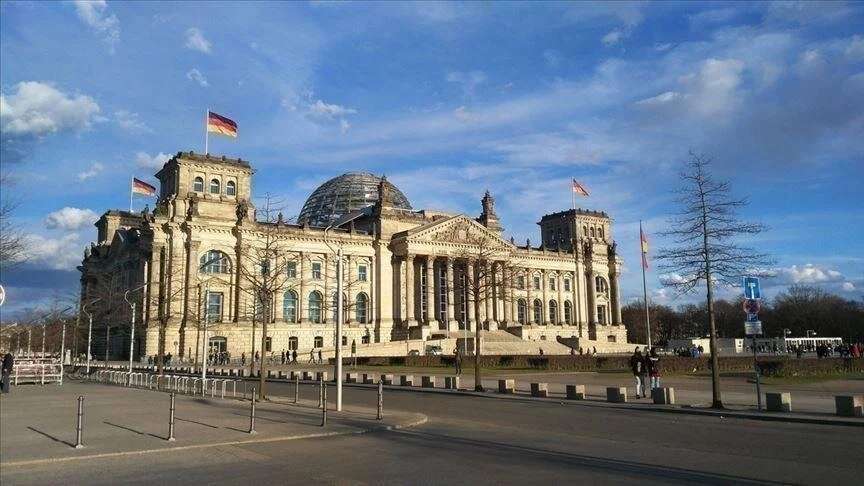
In a significant development for Europe’s largest economy, preliminary data from the Federal Statistics Office revealed that German inflation eased more than expected in March, dropping to 2.3%, its lowest level since June 2021. This decline, from February’s 2.7%, was largely attributed to a notable decrease in energy prices.
Carsten Brzeski, global head of macroeconomics at ING, commented on the unexpected ease, jokingly referring to the ‘Easter bunny effect,’ which was less pronounced this year. Leisure activities, packaged holidays, and hospitality services saw minimal month-on-month price increases.
Looking ahead, analysts predict a potential further drop to 2% in April before a modest rebound in subsequent months. The release of German inflation data is closely monitored as it precedes the euro zone figures, due out the following day.
Despite the European Central Bank’s efforts to combat inflation through record interest rate hikes, ECB chief Christine Lagarde anticipates a continued decline in the euro zone’s inflation rate, coupled with an uptick in economic growth throughout the year.
While near-term inflation expectations among euro zone consumers have decreased, the outlook for the future remains stable. Ralph Solveen, senior economist at Commerzbank, urged caution in interpreting the data, noting that core inflation, excluding volatile energy and food prices, remained relatively steady.
Core inflation in Germany dipped slightly to 3.3% in March, down from 3.4% in February. Energy prices experienced a 2.7% decline compared to the previous year, marking the first decrease since February 2015. Similarly, food prices saw a rare year-on-year decrease.
Solveen emphasized the role of rising service prices, fueled by significant wage hikes, in supporting inflation. He expects core inflation to stabilize above the ECB’s 2% target in the coming months.
Alexander Krueger, chief economist at Hauck Aufhaeuser Lampe Privatbank, noted that while Germany is nearing the 2% price target, inflation concerns persist. Potential risks, including higher wage settlements and agricultural commodity prices, may lead to a slight uptick in inflation in the near term.
As Germany navigates these inflationary pressures, policymakers are expected to maintain a vigilant stance to ensure price stability while supporting economic growth.
photo source: Google
By: Montel Kamau
Serrari Financial Analyst
3rd April, 2024