As fuel prices continue to reach new heights, Kenyan consumers are feeling the pinch and responding by cutting back on their usage of super petrol. According to a recently released report from the Petroleum Institute of East Africa (PIEA), the first quarter of this year saw a 1% decline in the consumption of super petrol compared to the same period last year, largely due to the high cost of fuel.
Despite the decrease in super petrol consumption, there was a marginal increase in the use of diesel (automotive gas oil or AGO). The report highlights a 2% growth in diesel consumption, as some consumers shifted their preferences to the less expensive alternative amid rising fuel prices.
On a positive note, aviation fuel consumption experienced a notable 5% upswing, thanks to the recovery in the travel and tourism industry. The PIEA attributes this boost to increased domestic air travel, indicating a potential revival in the tourism sector.
In addition to aviation fuel, the demand for lubricants witnessed significant growth, surging by 9% during the quarter. The report suggests that the increase, along with the rise in diesel consumption, can be partially attributed to the recovery in the agricultural sector. Favorable weather conditions played a crucial role in reviving agriculture, contributing to a growth rate of 5.8% in the first quarter of this year, compared to a 1.7% contraction during the same period in 2022.
However, the decline in super petrol consumption is not solely the result of consumer choices but is also influenced by external factors. The Kenyan shilling’s depreciation against the US dollar has led to increased import costs for petroleum products, exacerbating the fuel price hike.
The government’s efforts to mitigate the situation through a fuel importation deal with Arab oil producers, aimed at supporting the local currency, have shown limited success, as the shilling continues to weaken. Additionally, recent hikes in value-added tax (VAT) and the Kenya Pipeline Company (KPC) tariff have further contributed to the rise in fuel costs, leading to record pump prices.
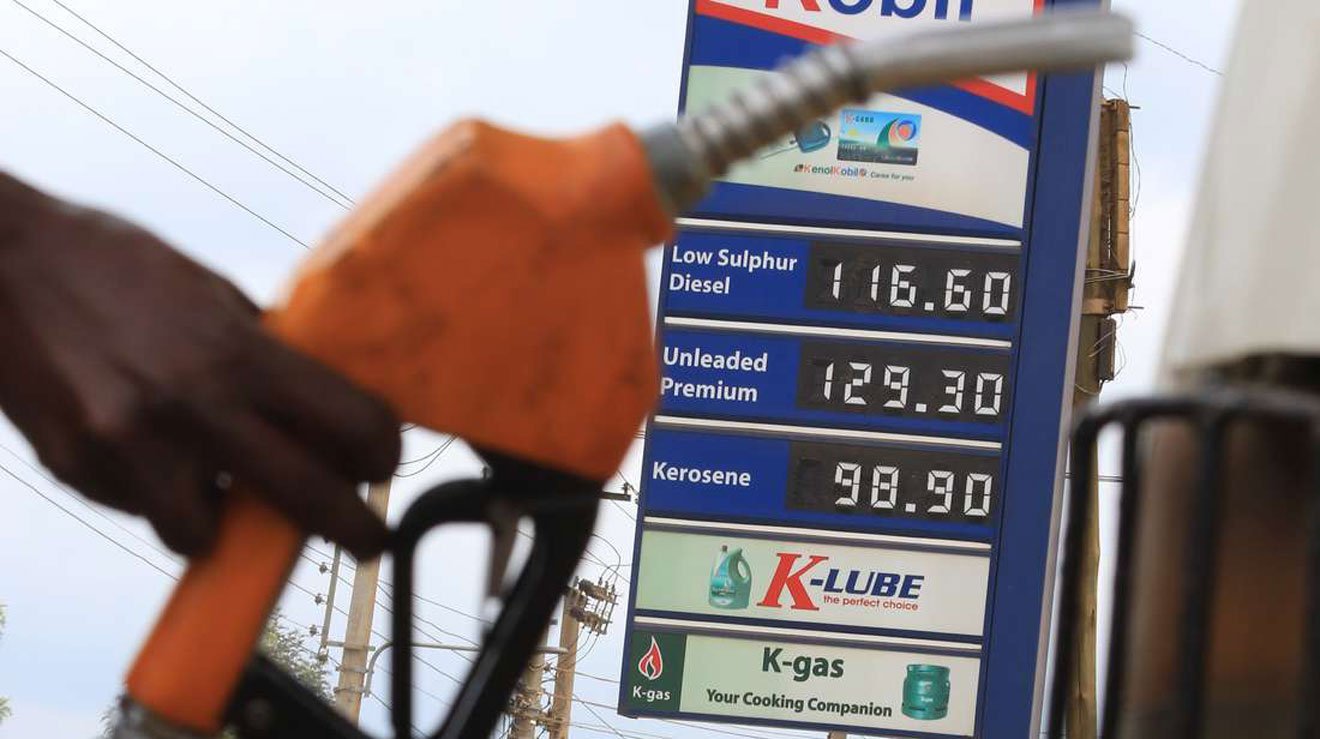
As of the latest figures, a liter of super petrol is being sold at an unprecedented Sh 195.53 in Nairobi, with prices soaring above Sh 200 in remote towns. Meanwhile, diesel is retailing at Sh 179.67 per liter, and kerosene prices have reached Sh 173.44.
Addressing the concerns, Treasury Cabinet Secretary Njuguna Ndung’u revealed that the government’s approval for the Kenya Pipeline Company (KPC) to acquire Kenya Petroleum Refineries Limited (KPRL) aims to enhance the security of petroleum product supplies. The acquisition is expected to strengthen Kenya’s position as the most liquid and stable white oils market in the region, and it will also expedite the rollout of the President-led liquid petroleum gas program, aligning with the country’s commitment to embrace clean energy and achieve nationally committed net-zero targets.
As consumers and industries grapple with the challenges posed by high fuel prices, they remain hopeful that ongoing initiatives and measures will stabilize fuel prices and ensure a consistent supply of petroleum products for the nation.
By: Motel Kamau Serrari Financial Analyst 31st July, 2023
photo source Google