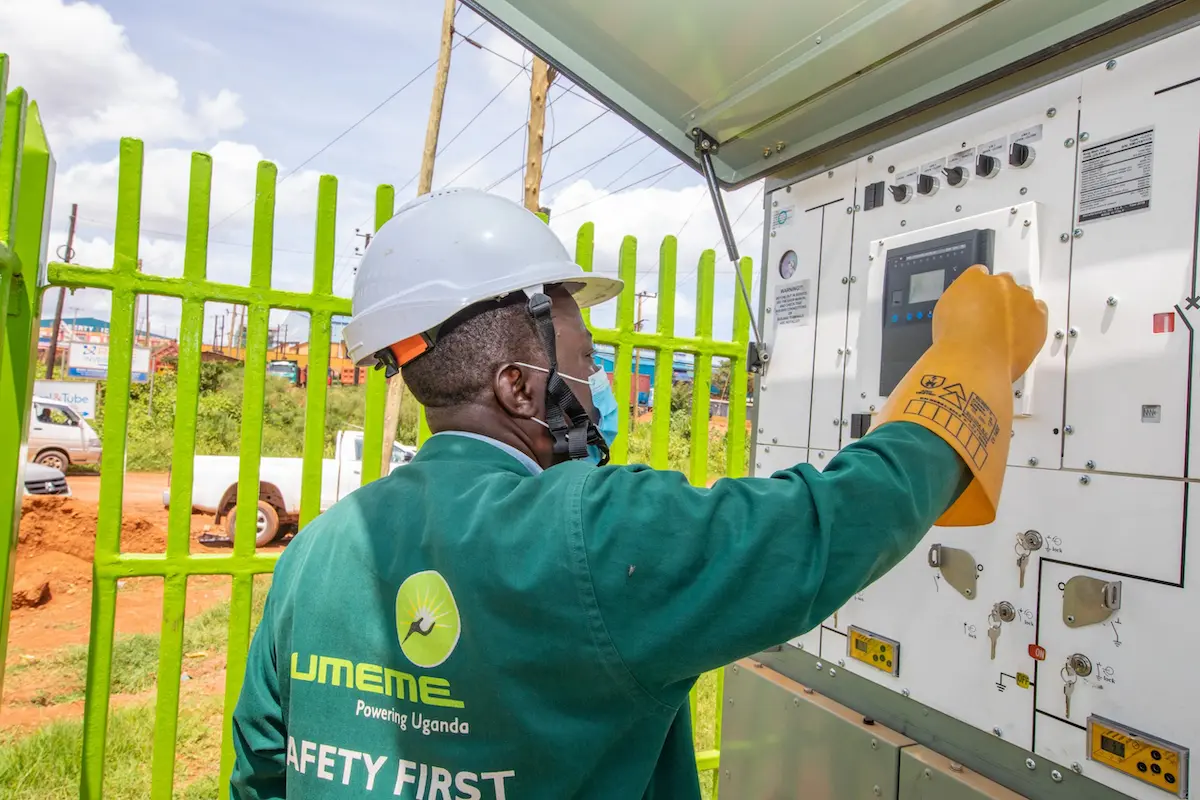
Shares of Umeme Limited, once Uganda’s dominant electricity distributor, have suffered a 71% plunge on the Nairobi Securities Exchange (NSE), falling from KSh 23.70 in July to just KSh 6.94 by September 23, 2025. The dramatic sell-off follows the expiry of Umeme’s 20-year concession, a record interim dividend, and ongoing disputes with the Ugandan government over buyout compensation. (Kenyan Wall Street)
The collapse has made Umeme the NSE’s worst performer in 2025, overshadowing other laggards such as Nairobi Business Ventures, which is down 16% year-to-date. Investors who piled into the counter in July to capture the company’s record dividend have since exited in droves, leaving the stock battered.
Build the future you deserve. Get started with our top-tier Online courses: ACCA, HESI A2, ATI TEAS 7, HESI EXIT, NCLEX-RN, NCLEX-PN, and Financial Literacy. Let Serrari Ed guide your path to success. Enroll today.
Dividend Frenzy and Sudden Reversal
In July, Umeme announced an interim dividend of UGX 222 per share, the highest in its history. The promise of this bumper payout sparked a speculative rally, pushing the stock to a peak of KSh 23.70 on July 8.
But the rally proved short-lived. Once the dividend was locked in, attention turned to the company’s grim future. With its concession expired in March 2025 and no ongoing operations to support earnings, the dividend was seen as a final windfall rather than a sign of strength.
When trading resumed in mid-June after a suspension tied to the concession handover, the stock’s fragile support quickly evaporated. As Kenyan Wall Street notes, investors began offloading shares aggressively, sparking the steep decline seen over the last two months.
Financial Performance Deteriorates
The company’s first-half 2025 results underscored the risks. Umeme posted a UGX 166.7 billion loss, compared to a profit in the same period of 2024. Revenues plunged 56% to UGX 503.5 billion, as the loss of concession income hollowed out its top line. (Kenyan Wall Street)
Total assets fell from UGX 1.39 trillion to UGX 590 billion within a year, reflecting the erosion of its operating base. Massive amortization of concession assets, combined with financing costs and provisioning, added to the red ink.
In August, the company issued a formal profit warning, telling shareholders to brace for losses in both the half-year and full-year results. (MarketScreener)
The announcement rattled investors further, confirming that Umeme’s viability now hinges entirely on whether and how quickly the Ugandan government honors its buyout obligations.
Concession Expiry and the Buyout Dispute
Umeme’s 20-year electricity distribution concession expired on March 31, 2025, with control of the network reverting to the Uganda Electricity Distribution Company Limited (UEDCL). In return, Umeme is entitled to compensation for unrecovered investments made during the concession.
But the amounts remain hotly contested:
- Umeme claims USD 410 million as its entitlement.
- The Ugandan government has recognized only USD 118 million, based on a special audit.
- Parliament later approved a USD 190 million loan to cover partial obligations, but the gap between the two sides remains vast. (Kenyan Wall Street)
With negotiations stalled, Umeme has taken the matter to international arbitration in London. The dispute will determine whether shareholders eventually recover a meaningful portion of value or face steep write-downs.
One decision can change your entire career. Take that step with our Online courses in ACCA, HESI A2, ATI TEAS 7, HESI EXIT, NCLEX-RN, NCLEX-PN, and Financial Literacy. Join Serrari Ed and start building your brighter future today.
Trading Suspension and Divergence Between Markets
Trading in Umeme’s shares was suspended for 74 days between April and June 2025, covering the concession handover and pending publication of audited 2024 results. (African Markets)
Once the suspension was lifted on June 13, prices quickly reflected the new reality.
Interestingly, the stock’s collapse has been largely confined to the NSE. On the Uganda Securities Exchange (USE), Umeme’s shares have remained broadly stable at UGX 405, just 2.4% down year-to-date. That’s equivalent to roughly KSh 15 when converted, far above the KSh 6.94 level seen in Nairobi.
This divergence highlights different investor perceptions: Nairobi traders, more attuned to foreign outflows and risk aversion, have marked the stock down sharply, while Kampala investors appear more willing to wait for arbitration outcomes.
Investor Concerns and Market Sentiment
Several factors explain the brutal collapse:
- Dividend-driven speculation: The July surge was fueled by investors chasing the interim payout. Once it was captured, many exited, sparking a sell-off.
- Loss of operating base: With no active concession, Umeme no longer generates recurring utility revenues, making it effectively a shell awaiting compensation.
- Uncertain arbitration: The wide gap between Umeme’s claim and the government’s recognition raises doubts about eventual recovery.
- Foreign investor exits: The NSE has seen heavy foreign outflows in 2025. In mid-September, outflows topped KSh 2.96 billion in a single week, compounding pressure on weaker counters. (Kenyan Wall Street)
Valuation and Possible Outcomes
Analysts stress that Umeme should no longer be viewed as a traditional utility stock. Its future value depends almost entirely on the buyout settlement:
- If arbitration supports Umeme’s USD 410 million claim, shareholders could see a significant rebound, with some research houses estimating 100–200% upside from current levels.
- If the government’s USD 118 million figure prevails, the recovery will be much smaller, likely cementing current depressed valuations.
In either scenario, delays, legal costs, and political risks could further erode value. For now, Umeme is seen as a “claim-recovery proxy”, not an operating business.
Lessons for Investors and Policymakers
The Umeme saga offers several takeaways:
- Beware of dividend traps: Chasing payouts without assessing long-term sustainability can lead to devastating losses.
- Transition risk matters: Concession-based models carry end-of-contract risks that must be priced in.
- Investor protections need strengthening: More robust disclosure and clearer exit clauses could reduce shocks.
- Cross-market price gaps are real: The Nairobi-Kampala divergence shows how investor bases price risk differently.
Conclusion
Umeme’s journey from dividend darling in July to market disaster in September is a cautionary tale. Investors who rushed in for the record payout are now staring at steep losses, and the stock’s future is tied to slow, uncertain arbitration proceedings.
For now, Umeme is no longer a utility play but a litigation bet. The outcome of the London arbitration—and the Ugandan government’s willingness to honor commitments—will decide whether shareholders eventually recover or whether the collapse becomes permanent.
Until then, Umeme remains one of the riskiest counters on the NSE, a stark reminder that even in high-yield markets, fundamentals always catch up.
Ready to take your career to the next level? Join our Online courses: ACCA, HESI A2, ATI TEAS 7 , HESI EXIT , NCLEX – RN and NCLEX – PN, Financial Literacy!🌟 Dive into a world of opportunities and empower yourself for success. Explore more at Serrari Ed and start your exciting journey today! ✨
Track GDP, Inflation and Central Bank rates for top African markets with Serrari’s comparator tool.
See today’s Treasury bonds and Money market funds movement across financial service providers in Kenya, using Serrari’s comparator tools.
photo source: Google
By: Montel Kamau
Serrari Financial Analyst
24th September, 2025