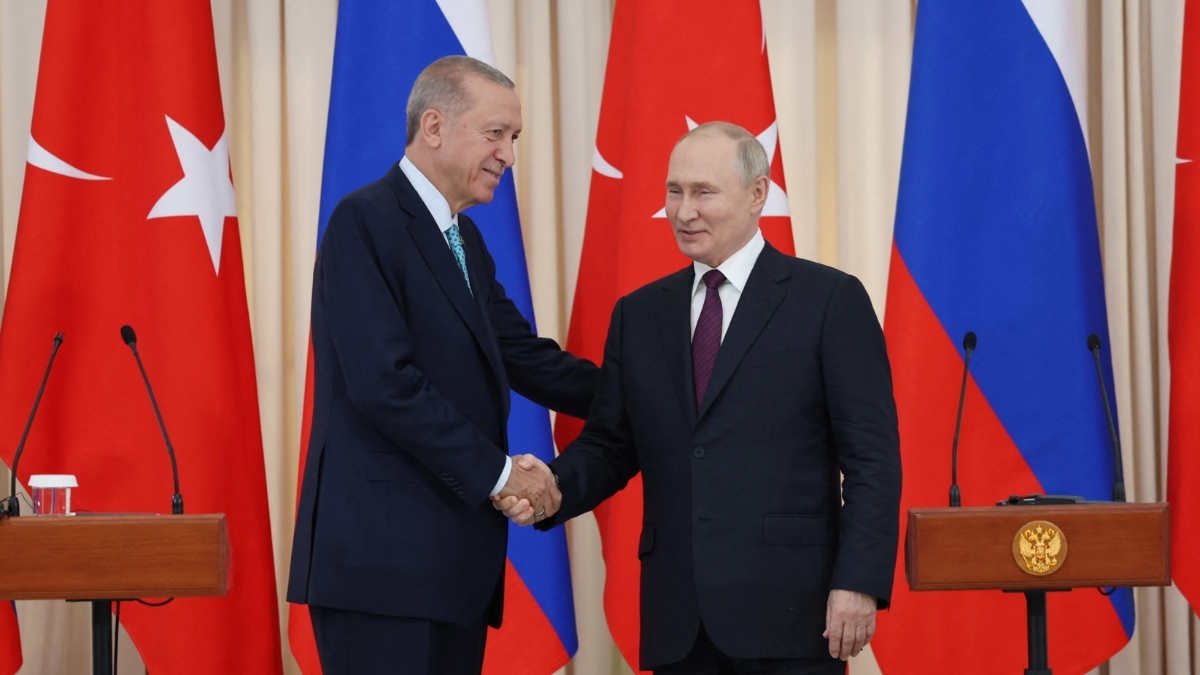
Turkish-Russian trade faces tumultuous times as a new wave of U.S. sanctions threatens to disrupt financial transactions between the two nations. The executive order, issued in December by the United States, has cast uncertainty over the stability of trade relations, particularly in the energy sector.
While the sanctions were not explicitly aimed at energy trade, they have nonetheless complicated payment processes for crucial commodities such as Russian crude oil and Turkish exports. Turkish banks, in response to the heightened compliance pressure, have tightened their scrutiny of transactions with Russian clients, leading to payment delays and uncertainties.
This heightened vigilance comes amidst warnings from U.S. authorities of potential secondary sanctions on Turkish financial institutions involved in transactions with Russia. Consequently, Turkish banks have adopted a cautious approach, meticulously reviewing each transaction to ensure compliance with regulatory requirements.
The impact of these developments is evident in trade statistics, with both Turkish exports to Russia and imports from Russia witnessing significant declines. Machinery exports, in particular, have been affected due to concerns over potential military applications.
Despite Ankara’s vocal opposition to Western sanctions on Moscow, Turkish banks find themselves caught in the crossfire, navigating the delicate balance between economic cooperation and compliance with international sanctions regimes. As both sides grapple with the implications of the sanctions threat, the future of Turkish-Russian trade hangs in the balance, contingent upon the resolution of geopolitical tensions and the restoration of stability in the region.
photo source: Google
By: Montel Kamau
Serrari Financial Analyst
21st February, 2024