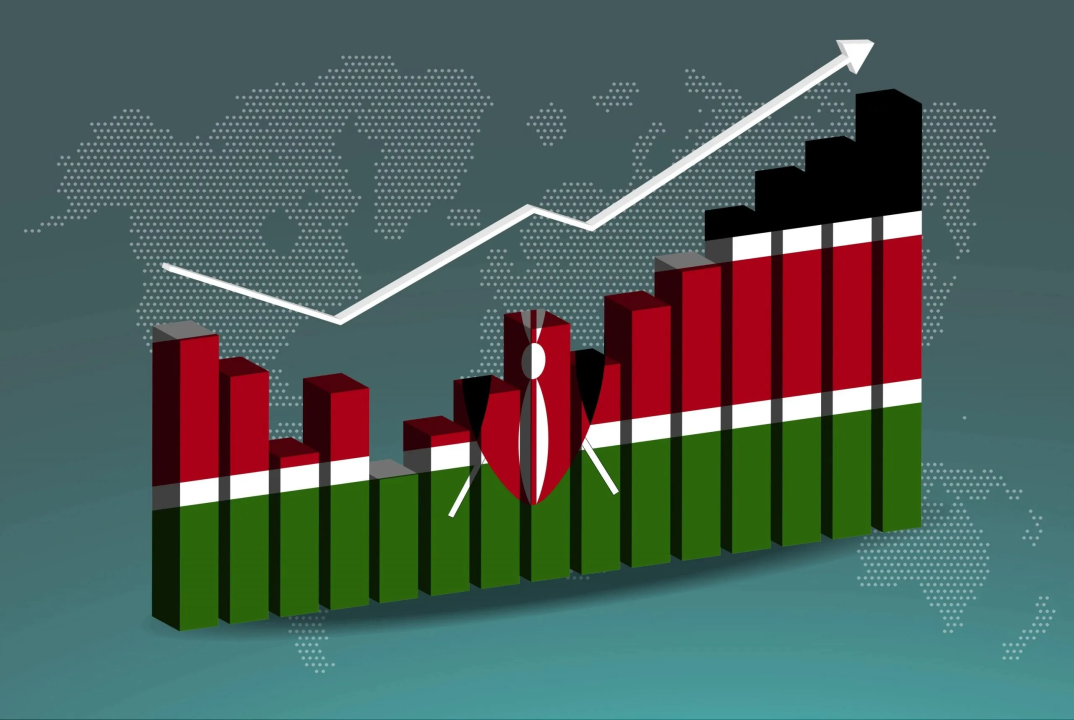
In a recent development, Fitch Ratings, a prominent global rating agency, has taken a noteworthy step by revising Kenya’s credit rating outlook from stable to negative. This move is significant as it joins the chorus of concern from other major rating firms such as Moody’s and Standard & Poor’s, which have also expressed reservations about Kenya’s credit outlook in recent months. Standard & Poor’s credit rating for Kenya stands at B with a negative outlook. Moody’s credit rating for Kenya was last set at B3 with under review outlook. Fitch’s credit rating for Kenya was last reported at B with a negative outlook.
While some in the government might dismiss these ratings as biased, the impact is far-reaching, especially among global investors who rely on these assessments for decision-making, lacking access to personalized data and analysis. The verdict from these rating agencies carries immense weight for Kenya’s ability to attract funds in the global financial markets.
So, what does Fitch Ratings’ revision of the outlook to negative mean? Technically referred to as a long-term foreign-currency issuer default rating (IDR), Fitch has downgraded Kenya’s credit rating from ‘B’ stable to ‘B’ negative. Although it still falls within the safe territory, the downgrade places Kenya just two steps above the default rating of ‘D,’ a concerning position that is currently held by Zambia.
A ‘B’ negative rating is considered highly speculative, implying that while Kenya can meet its financial obligations, it is also vulnerable to adverse economic shocks. One such shock that has impacted Kenya is the shortage of dollars due to interest rate hikes by central banks in advanced economies.
The implications of this revision are significant. If certain factors in the economy do not improve, Fitch may further downgrade Kenya’s credit rating in its next review, potentially placing it among countries with substantial risks, like Mozambique. This downgrade would signal increased risk for the country to default on its financial obligations, which could deter potential lenders from investing in or lending money to Kenya.