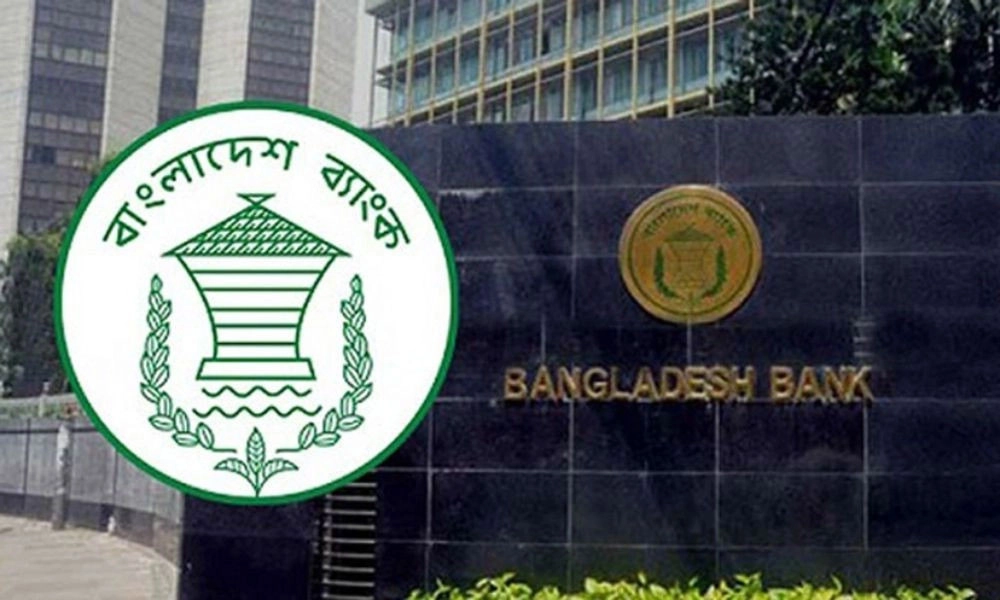
Fitch Ratings has downgraded Bangladesh’s Long-Term Foreign-Currency Issuer Default Rating from ‘BB-‘ to ‘B+’, while maintaining a stable outlook. This adjustment reflects ongoing economic challenges and areas of potential stability within the country’s financial landscape.
Key Reasons for the Downgrade
The downgrade to ‘B+’ is driven by a continued weakening of Bangladesh’s external buffers, which heightens the country’s vulnerability to external shocks. Despite policy reforms initiated since early 2022, efforts to curb the decline in foreign exchange reserves and resolve domestic dollar scarcity have been insufficient. The Bangladesh Bank’s recent shift to a crawling peg exchange rate system aims to improve flexibility, though its effectiveness in addressing market distortions and boosting reserves remains uncertain.
Stable Outlook and External Refinancing Mitigation
The stable outlook is supported by favorable external creditor composition and IMF-programme reforms aimed at enhancing macroeconomic stability and addressing banking sector weaknesses. Bangladesh’s government debt remains moderate, with promising medium-term growth prospects.
Challenges with Foreign Exchange Reserves and Inflation
Bangladesh’s foreign exchange reserves have dropped by 15% since January 2024, reaching USD 18.4 billion. This decline is attributed to continued FX interventions, capital outflows, and reliance on informal remittance channels. The central bank’s crawling peg is seen as a temporary measure before transitioning to a fully flexible market-based exchange rate. Implementation challenges persist, especially given the high inflation rate of 9.8% in April 2024.
Domestic US dollar scarcity has led to import restrictions, driving the current account surplus to an estimated 1.4% of GDP for FY24. Greater FX flexibility may ease dollar shortages, potentially increasing imports, but formal remittance flows could mitigate the impact on the current account.
Inflation and Policy Measures
Inflation averaged 9.7% in FY24, significantly above the central bank’s target of 7.5%, despite a 200 basis point increase in the policy rate. Removing interest rate caps for banks and non-bank financial institutions may enhance monetary policy effectiveness, although domestic supply shortages and a weaker exchange rate continue to drive inflationary pressures.
Fiscal Constraints and Economic Growth
Bangladesh’s government revenue-to-GDP ratio remains low at 8.2%, hampered by tax exemptions, weak administration, and challenges in implementing reforms. However, recent tax hikes on tobacco and land registration under the IMF programme present potential revenue growth. Despite fiscal challenges, Bangladesh’s medium-term external debt is mainly owed to bilateral or multilateral partners, supporting debt service capacity.
The medium-term growth outlook is favorable, supported by a robust ready-made garment sector, demographic advantages, and steady remittance inflows. Growth is expected to moderate to 5.3% in FY24 due to dollar shortages and high inflation.
Banking Sector and Structural Challenges
Bangladesh’s banking sector faces issues with weak asset quality, capitalization, and governance. The non-performing loan ratio was 9% at the end of December 2023, with state-owned banks showing a higher ratio of 21%. These figures may rise once forbearance measures are withdrawn, posing potential liabilities for the government if credit stress intensifies. Recent policy changes, such as the removal of lending rate caps, aim to improve banking sector profitability.
Bangladesh also scores low on the World Bank’s governance indicators, reflecting challenges in political stability, rule of law, and corruption control. Infrastructure gaps impede Foreign Direct Investment (FDI), though ongoing government projects aim to improve investment prospects over time.
Conclusion
Despite the downgrade, Bangladesh’s economic outlook remains stable due to ongoing reforms and favorable debt dynamics. Continued efforts in policy implementation and economic diversification are essential for mitigating vulnerabilities and sustaining growth amidst external and domestic challenges.
Photo source: Google
Montel Kamau
Serrari Financial Analyst
28th May, 2024