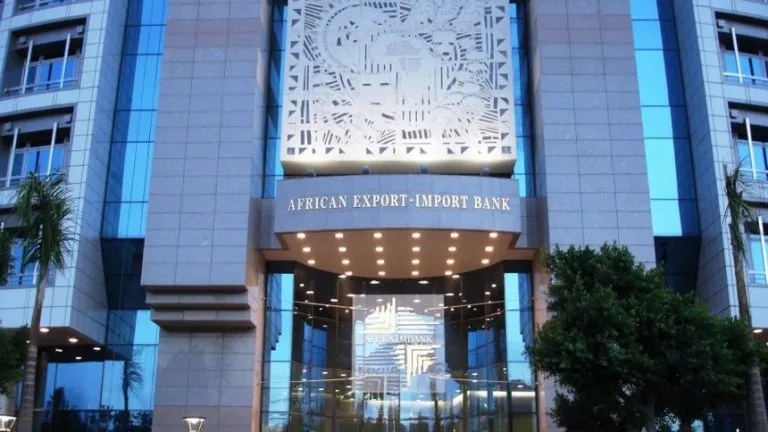
Fitch Ratings downgraded the African Export-Import Bank (Afreximbank) from BBB to BBB-, placing it just one notch above “junk” status, with a negative outlook. This move highlights growing concerns about the bank’s loan portfolio quality, risk management practices, and exposure to sovereign debt restructuring in key African economies. The implications could ripple across Africa’s financial sector, given Afreximbank’s central role as a provider of development capital when other funding sources dry up.
Afreximbank’s Crucial Role in Africa’s Economic Growth
Founded in 1993, Afreximbank’s mission is to finance and promote intra- and extra-African trade, contributing directly to economic development across the continent. Its ownership includes African governments, regional bodies, and private investors, positioning it as a key multilateral institution. Unlike commercial banks, Afreximbank pursues a developmental mandate — providing essential funding when international bond markets are inaccessible or concessional aid declines.
Why Fitch Downgraded Afreximbank
Rising Non-Performing Loans (NPLs)
One of Fitch’s chief concerns is the rise in Afreximbank’s non-performing loans, which reached about 7.1% by the end of 2024. The bank itself reported a much lower NPL ratio of 2.44% in the first quarter of 2025. This gap is partly due to Afreximbank’s use of IFRS 9 accounting standards that allow some flexibility in delaying the classification of troubled loans. Fitch applies a stricter definition, signaling more cautious skepticism about the bank’s loan health.
Non-performing loans are loans where payments are overdue by 90 days or more, indicating that borrowers are struggling to repay. An increase in NPLs reduces the bank’s profitability and its capacity to extend new loans, which in turn affects Africa’s development financing.
Weak Risk Management and Transparency Issues
Fitch downgraded the bank’s risk management assessment to “weak,” emphasizing low transparency compared to peers such as the African Development Bank or World Bank. Transparency in loan performance and risk exposure is vital for investors, partners, and stakeholders to evaluate the bank’s health accurately.
Without clear reporting, uncertainty rises about the bank’s financial stability and how much risk it carries on its balance sheet, increasing funding costs and investor caution.
Exposure to Sovereign Debt Restructurings
Perhaps the most significant challenge is Afreximbank’s exposure to sovereign debt restructurings in countries like Ghana, Zambia, and Malawi, which are undergoing fiscal stress and renegotiating debt terms with lenders.
If Afreximbank’s loans to these governments are included in restructuring deals—meaning reduced payments, extended terms, or partial debt forgiveness—it would weaken its balance sheet and credit rating. Fitch’s negative outlook stems from the possibility that Afreximbank might lose its “preferred creditor” status and be forced to accept restructuring terms similar to those imposed on other creditors.
Country-Specific Challenges
Ghana: Fiscal Stress and Debt Service Issues
Ghana’s debt has surpassed 70% of its GDP, driven by infrastructure investments, global commodity price shocks, and the COVID-19 pandemic’s lingering effects. While Afreximbank claims Ghana is current on loan payments, the Ghanaian government says it has missed servicing Afreximbank debt for over two years and seeks to restructure the loans alongside other creditors.
Ghana is working with the International Monetary Fund (IMF) on a fiscal reform program designed to restore debt sustainability, which involves renegotiating debt terms. The disagreement between Ghana and Afreximbank on payment status highlights tensions and potential risks to the bank’s asset quality.
Zambia: Default and Debt Negotiations
Zambia was the first African country to default on Eurobond payments during the pandemic and is in the process of restructuring over $11 billion in external debt. Afreximbank is a major creditor, exposing it to losses if restructuring terms include the bank’s loans.
The Zambian government’s negotiations involve IMF support and restructuring agreements with both multilateral and bilateral creditors. While credit rating agencies have maintained a relatively stable outlook on Zambia, the country’s ongoing debt challenges increase uncertainty for Afreximbank’s financial position.
Malawi: Economic Pressures and Debt Restructuring Requests
Malawi’s economy faces similar fiscal difficulties, including commodity price volatility and limited domestic revenue generation. The government has requested debt relief and restructuring from creditors, including Afreximbank, further pressuring the bank’s loan portfolio.
Broader Consequences for African Development Finance
Increased Borrowing Costs and Lending Constraints
A downgrade to BBB- means Afreximbank will likely face higher interest rates in capital markets, raising its cost of funds. This could force the bank to either increase lending rates to African governments and businesses or scale back lending volumes, both detrimental to growth initiatives.
Given Afreximbank’s crucial role in funding infrastructure, trade finance, and other development priorities, higher costs and limited capital availability could slow economic progress across the continent.
Diminished Aid and Financing Options
International concessional aid and donor financing to African countries have declined amid geopolitical changes and shifting priorities in donor nations. Afreximbank has been a critical alternative source of funding. Reduced lending capacity or higher loan costs at Afreximbank could leave African countries with fewer financing options, threatening projects aimed at economic diversification and poverty reduction.
Libya’s Increased Share Acquisition: Strategic Support
In a notable development, Libya has acquired additional shares in Afreximbank, bolstering the bank’s capital base. Libya’s economy, heavily reliant on oil exports, has endured political instability and conflict, making Afreximbank’s support vital for its economic recovery and diversification efforts.
Libya’s investment not only strengthens Afreximbank’s financial standing but also reinforces regional economic ties with one of Africa’s major oil producers.
Steps Afreximbank Can Take to Regain Stability
Enhancing Transparency and Risk Controls
To restore confidence, Afreximbank must improve transparency around loan performance and adhere to stricter risk management standards. Clearer disclosure of NPLs and loan quality will reassure investors and partners.
Pragmatic Engagement in Debt Restructuring
Although Afreximbank claims preferred creditor status, it may need to participate constructively in restructuring negotiations to balance recovering funds with maintaining long-term relationships with borrower countries.
Capital Strengthening and Funding Diversification
Boosting capital, as seen with Libya’s share acquisition, will provide a buffer against losses. The bank should also explore alternative funding sources beyond international bond markets to reduce vulnerability to rating downgrades.
Conclusion: At a Financial Crossroads
Fitch’s downgrade of Afreximbank to BBB- reflects serious challenges but also highlights the critical need for reforms. As Africa faces growing fiscal pressures and complex debt dynamics, Afreximbank’s ability to provide development finance hinges on improved risk management, transparency, and strategic shareholder support.
The bank’s future will significantly impact Africa’s trade and economic growth prospects, underscoring the importance of navigating this difficult phase with resilience and innovation.
Ready to take your career to the next level? Join our dynamic courses: ACCA, HESI A2, ATI TEAS 7 , HESI EXIT , NCLEX – RN and NCLEX – PN, Financial Literacy!🌟 Dive into a world of opportunities and empower yourself for success. Explore more at Serrari Ed and start your exciting journey today! ✨
photo source: Google
By: Montel Kamau
Serrari Financial Analyst
5th June, 2025