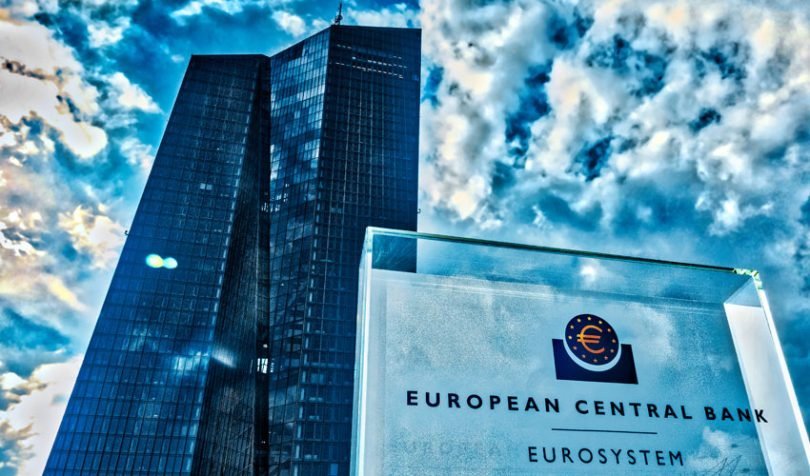
The Eurozone’s core inflation displayed a slight moderation in August, adding an air of uncertainty to the upcoming policy considerations of the European Central Bank (ECB).
The consumer price index for the 20 Eurozone nations maintained its level at 5.3%, underscoring the impact of soaring food, alcohol, and tobacco prices that escalated by 9.8% since the previous year. Official figures from the EU statistics agency, Eurostat, highlight this stability.
In tandem, the core inflation rate, excluding the more volatile fuel and food elements, observed a minor decrease from 5.5% to 5.3% in August. This data holds significant weight as the ECB navigates its decision-making on the trajectory of interest rates. The delicate equilibrium between fueling economic growth and managing inflation remains at the forefront.
Fuel prices took a dip of 3.3%, attributed to stable global oil prices and reduced demand for heating fuel during the summer months.
President of the European Central Bank, Christine Lagarde, has signaled a shift from prior practices, emphasizing a data-driven approach for the impending interest rate decision set for the September 14 policy meeting. This departure from pre-announced rate adjustments introduces complexity as the ECB strives to balance inflation control and its impact on consumers and businesses.
The inflation trajectory reveals a nuanced picture. After peaking at 10.6% in October, inflation has gradually receded. However, the pace of this moderation has slowed in recent months, posing a challenge for economists tasked with addressing the final leg toward the ECB’s 2% inflation target. Concurrently, a July unemployment rate of 6.4%, the lowest since the Euro’s inception in 1999, contributes to this intricate landscape.
In contrast to the U.S. inflation rate of 3.2%, coupled with potential rate hikes, Europe confronts its unique set of challenges. Recent economic indicators across the Eurozone reveal a certain degree of stagnation alongside sustained moderation in inflation. Market sentiment reflects a cautious outlook, with participants apprehensive about the prospects of an ECB rate hike in the imminent September meeting.
Within this intricate economic framework, Germany’s contracting economy adds another layer of uncertainty. The International Monetary Fund projects Germany as the sole major economy experiencing contraction this year, with an anticipated decline of 0.3%.
In this context, the ECB’s benchmark deposit rate, ascending from minus 0.5% to 3.75% by July 2022, underscores the bank’s rapid rate hike approach. This sequence of increments has played a pivotal role in addressing inflation driven by geopolitical events and the economic rebound from the pandemic.
As markets and economists eagerly await the ECB’s decision, its implications will undoubtedly reverberate across the Eurozone’s intricate economic landscape.
Photo Source: Google
By: Montel Kamau
Serrari Financial Analyst
31st August, 2023