Sweden’s Swedfund has led a coordinated $30 million equity investment into the Novastar Ventures Africa People and Planet Fund III (NVIII), alongside Norway’s Norfund and the UK’s British International Investment (BII). The allocation—$10 million from each institution—marks a significant vote of confidence in homegrown climate-tech entrepreneurs that are developing clean, scalable solutions to Africa’s climate challenges (impact-investor.com).
A United Front: DFIs Align on Climate Innovation
Development finance institutions (DFIs) have historically played a critical role in de-risking early-stage investments in emerging markets. In backing NVIII, Swedfund, Norfund, and BII are pooling resources to catalyse further private capital into technologies that enhance climate adaptation and resilience across the continent (ITEdgeNews).
- Swedfund: Sweden’s state-owned DFI, focused on advancing sustainable development through equity, loans, and grants in low- and middle-income countries.
- Norfund: The Norwegian Investment Fund for Developing Countries, mandated to reduce poverty through profitable, sustainable investments in Africa, Asia, and Latin America.
- BII: The UK’s DFI, formerly CDC Group, supporting inclusive growth by investing in sectors ranging from financial services to climate-smart agriculture.
Together, these three DFIs aim to address “foundational gaps” that hinder the scaling of climate technologies in Africa—such as unreliable power grids, limited digital infrastructure, and regulatory uncertainty—by providing not only capital but also technical assistance and governance support (impact-investor.com).
Spotlight on Novastar Ventures and Fund III
Novastar Ventures, headquartered in Nairobi, specialises in seed-to-Series A investments across East Africa. Its funds have historically targeted ventures in education, healthcare, agri-business, and water—sectors critical for low-income communities. NVIII represents the firm’s third flagship fund, with a stated ambition to invest in approximately 12 early-stage technology companies that deliver both social impact and climate resilience (DFC, PitchBook).
Key focus areas include:
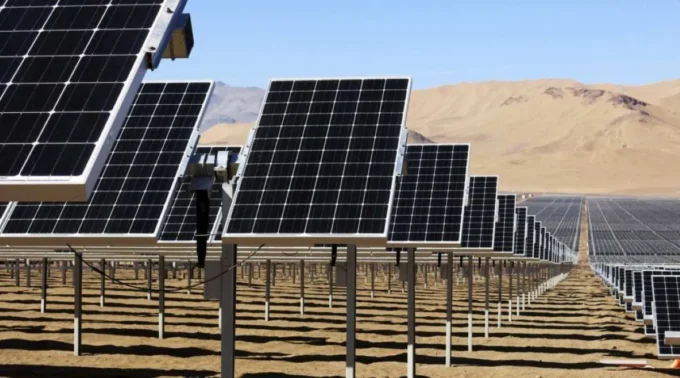
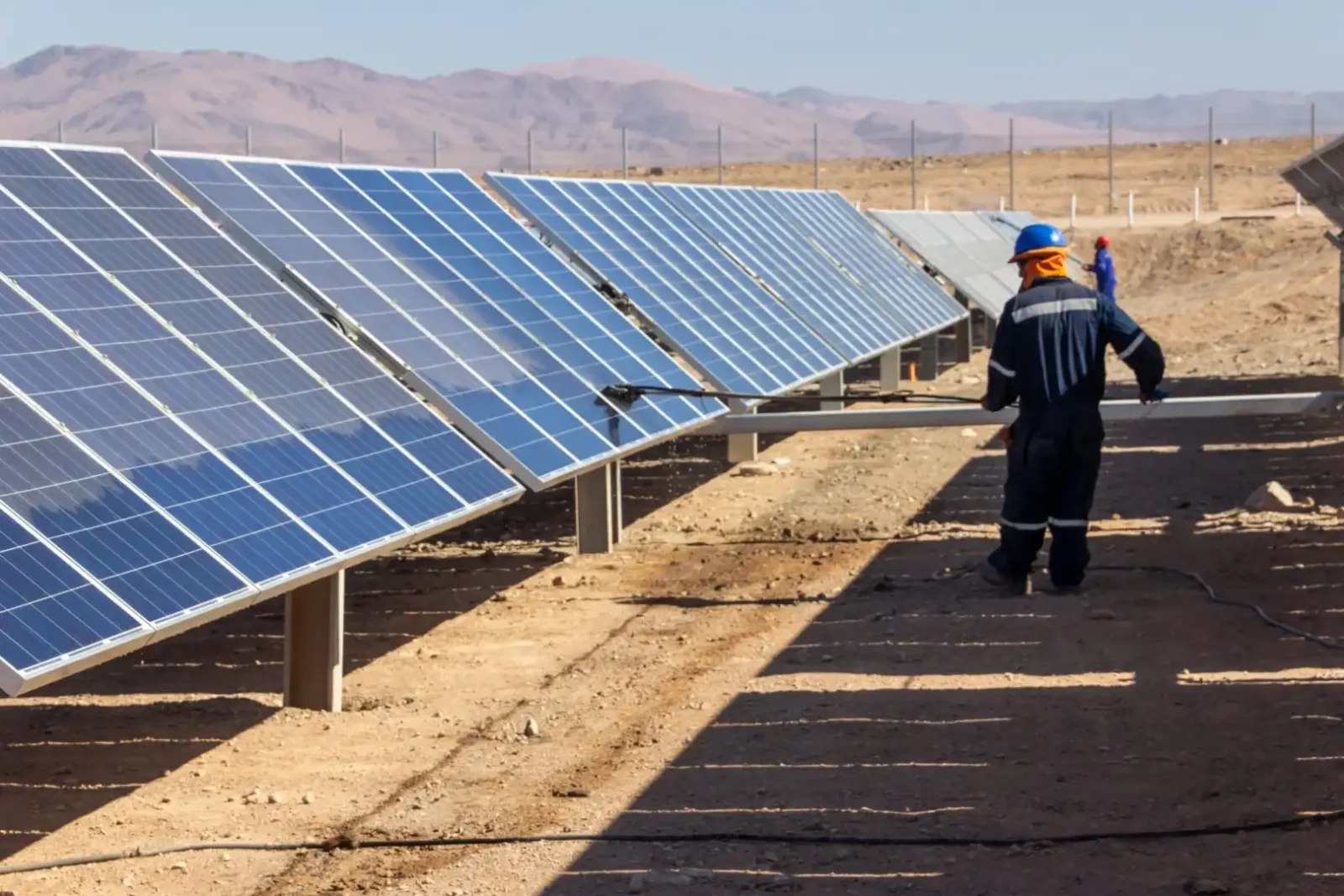
- Renewable Energy (solar, mini-grids, biogas)
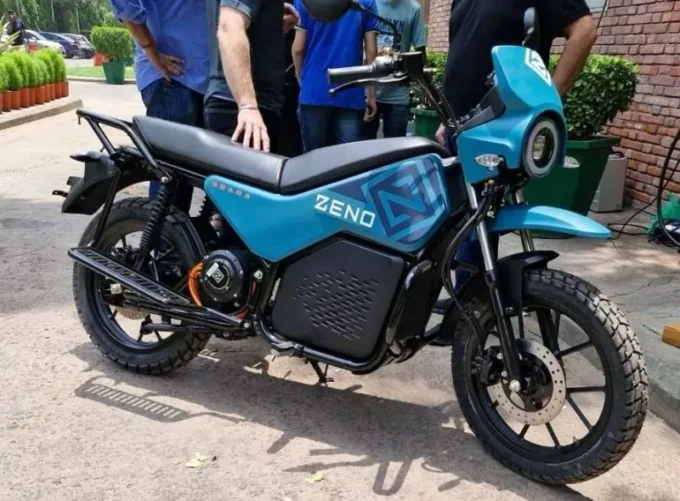
- E-Mobility (electric motorcycles, buses, and battery-swap solutions)
- Smart Logistics (cold-chain, last-mile delivery)
- Circular Economy (waste-to-value, recycling)
- Regenerative Agriculture (precision farming, bio-fertilisers)
NVIII’s deal pipeline already features early commitments such as Sistema.bio, which converts farm waste into biogas and organic fertiliser for smallholder farmers—addressing energy access, waste management, and soil health in one solution (Novastar).
Addressing Africa’s Unique Climate Challenges
Africa is warming faster than the global average, and the continent bears a disproportionate share of the world’s climate risks despite contributing less than 4 percent of greenhouse gas emissions. Key vulnerabilities include:
- Water Scarcity: More frequent droughts in the Horn of Africa and Sahel regions.
- Flooding: Intensified rainy seasons causing crop losses and infrastructure damage.
- Heat Stress: Reduced labour productivity and public health impacts.
By channeling capital into locally-adapted technologies, NVIII seeks to bolster community resilience and reduce economic losses estimated at over $7 billion annually by 2030 if no action is taken (DFC).
Case Study: Sistema.bio and the Biogas Revolution
One of NVIII’s first investments, Sistema.bio, illustrates the fund’s strategic impact. The company’s modular biodigesters:
- Convert animal and crop waste into clean cooking gas, reducing deforestation and indoor air pollution.
- Produce nutrient-rich bio-fertiliser, boosting crop yields by up to 30 percent for smallholders.
- Generate carbon credits, opening new revenue streams for farmers.
Since partnering with Novastar in January 2025, Sistema.bio has expanded its reach to over 20,000 farms across Kenya, Rwanda, and Ethiopia—enabling farmers to save up to $200 annually on fuel costs while reducing CO₂ emissions by over 1 tonne per farm per year (Novastar).
Complementary DFI Initiatives in Africa
NVIII’s launch comes on the heels of several other major DFI commitments to African climate and development funds:
- AgDevCo: A $85 million joint investment by Swedfund, Norfund, and BII to strengthen agribusinesses and enhance food security in Sub-Saharan Africa (February 2025) (TechArena).
- Emerging Africa & Asia Infrastructure Fund: Swedfund’s €40 million commitment toward climate-resilient infrastructure and digital connectivity across Africa and Southeast Asia (Q1 2025) (impact-investor.com).
- DFI Climate Investment Fund: Managed by Norfund with a NOK 10 billion allocation (2022–2027), targeting renewable energy projects in developing economies.
These parallel efforts underscore a broader DFI trend: shifting from large-scale, capital-intensive projects toward smaller, more agile vehicles that can rapidly deploy funds to early-stage innovators.
The Business Case for Climate-Tech Investing
Recent studies show that for every dollar invested in climate adaptation in Africa, societies can realize up to $4 in avoided damages and co-benefits such as improved health, job creation, and biodiversity protection. Furthermore:
- Tech-Enabled Efficiency: Digital tools reduce operational costs by up to 25 percent in logistics and agriculture.
- Youth Demographics: Over 60 percent of Africa’s population is under 25, driving rapid adoption of mobile and digital platforms.
- Urbanization: City populations are set to double by 2050, creating demand for clean energy, waste management, and sustainable transport.
By backing startups that tackle these market opportunities, NVIII aims to generate both measurable financial returns and clear development outcomes in alignment with the Sustainable Development Goals.
Early-Stage Investing: Risks and Rewards
Investing in seed- and Series A-stage companies in frontier markets carries inherent risks—currency volatility, regulatory flux, and limited exit channels. DFIs help mitigate these risks by:
- Technical Assistance: Offering mentorship in governance, environmental and social standards, and fundraising.
- Blended Finance Structures: Layering concessional capital with commercial funding to improve risk-return profiles.
- Network Access: Leveraging global relationships to open doors for trade partnerships and follow-on investors.
Such de-risking strategies have unlocked over $500 million in follow-on financing for African tech startups over the past two years, according to industry data (PitchBook).
Measuring Impact: ESG and Beyond
All portfolio companies in NVIII must adhere to robust Environmental, Social, and Governance (ESG) frameworks. Novastar integrates impact metrics from the due-diligence stage through exit, tracking indicators such as:
- CO₂ Emissions Reduced
- Households Accessing Clean Energy
- Youth and Women Employed
- Local Partner Engagement
DFIs, in turn, require periodic impact reports to ensure alignment with their development mandates. These accountability mechanisms help validate the dual financial-and-social return thesis of climate-tech investing.
What Lies Ahead for NVIII and African Climate-Tech
With its dry powder committed, NVIII is slated to begin deployments in Q3 2025, focusing on high-growth markets such as Kenya, Nigeria, and South Africa—where the convergence of talent, infrastructure, and regulatory support is strongest. Anticipated milestones include:
- Closing 4–6 New Deals by year-end, spanning energy, ag-tech, and waste management.
- Launching a Regional Innovation Hub in Lagos to foster collaboration among portfolio founders.
- Piloting a Climate Bonds Partnership to channel local pension capital into green infrastructure.
Furthermore, as DFIs worldwide deepen their climate mandates ahead of COP31, NVIII’s success could serve as a blueprint for similar funds in Latin America and Southeast Asia.
Conclusion
The $30 million investment by Swedfund, Norfund, and BII into Novastar Ventures’ Africa People and Planet Fund III signals a strategic pivot toward early-stage climate innovation in Africa. By addressing local infrastructure gaps, providing hands-on support, and mobilizing additional private capital, this alliance aims to empower a new generation of African entrepreneurs who are tackling the continent’s most pressing environmental and social challenges.
As these startups scale, they will not only reduce emissions and bolster community resilience but also drive job creation, enhance food and energy security, and catalyse broader economic transformation. For investors and policymakers alike, NVIII represents a powerful demonstration that sustainable profitability and impactful development can go hand in hand—charting a roadmap for climate-smart growth across the Global South.
Ready to take your career to the next level? Join our dynamic courses: ACCA, HESI A2, ATI TEAS 7 , HESI EXIT , NCLEX – RN and NCLEX – PN, Financial Literacy!🌟 Dive into a world of opportunities and empower yourself for success. Explore more at Serrari Ed and start your exciting journey today! ✨
Photo source: Google
By: Montel Kamau
Serrari Financial Analyst
30th May, 2025