
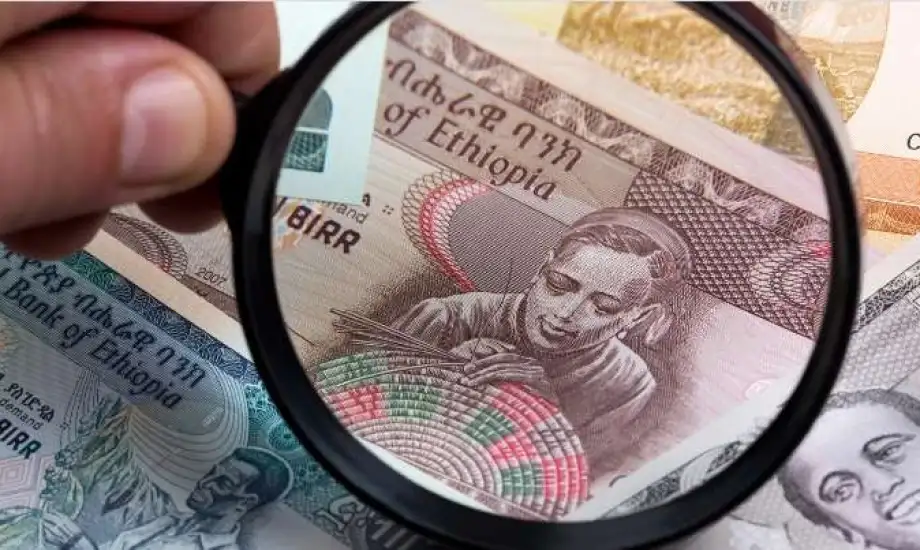
In a dramatic bid to revive its struggling economy, Ethiopia has decided to scrap its strict foreign exchange controls, letting the birr freely float against major currencies. This bold move, announced by the central bank on Monday, aims to tackle the Horn of Africa nation’s crippling debt crisis and soaring inflation.
Following the announcement, the birr plummeted by an astonishing 30% against the US dollar, underscoring the severe economic challenges Ethiopia faces. For years, the currency had been artificially overvalued, which stifled exports, fueled black market activities, and worsened foreign currency shortages.
A Desperate Bid for Relief
Ethiopia’s decision to liberalize its foreign exchange market is seen as a crucial step toward securing a much-needed bailout package from the International Monetary Fund (IMF). The country defaulted on its external debt in December 2022, joining a growing list of African nations struggling to service their loans.
The IMF has been in talks with Ethiopian authorities for over a year to negotiate a new lending program. However, progress has been hindered by the country’s complex economic situation and the lingering effects of the Tigray conflict, which ended in November 2022.
The central bank’s governor, Mamo Mihretu, announced that Ethiopia will receive a substantial $10.7 billion in external financing from development partners, including a significant contribution from the IMF and the World Bank. This financial lifeline is expected to provide much-needed relief to the economy and support ongoing reform efforts.
Challenges Ahead
While the liberalization of the foreign exchange market is a positive step, Ethiopia faces significant challenges in its quest for economic recovery. Inflation has been running at high levels, eroding purchasing power and putting pressure on households and businesses. The country’s infrastructure is underdeveloped, hindering its competitiveness in the global market.
Additionally, the government will need to implement complementary reforms to support the success of the foreign exchange liberalization. This includes improving governance, tackling corruption, and strengthening the banking sector.
A Risky Gamble
Ethiopia’s decision to adopt a market-based exchange rate regime is a risky gamble. A sharp depreciation of the birr could lead to higher import prices, fueling inflation and eroding living standards. The government will need to carefully monitor the impact of the currency devaluation on the economy and be prepared to take corrective measures if necessary.
The success of Ethiopia’s economic reforms will depend on a combination of factors, including the effectiveness of government policies, the support of the international community, and the resilience of the Ethiopian people.
photo source: Google
By: Montel Kamau
Serrari Financial Analyst
29th July, 2024