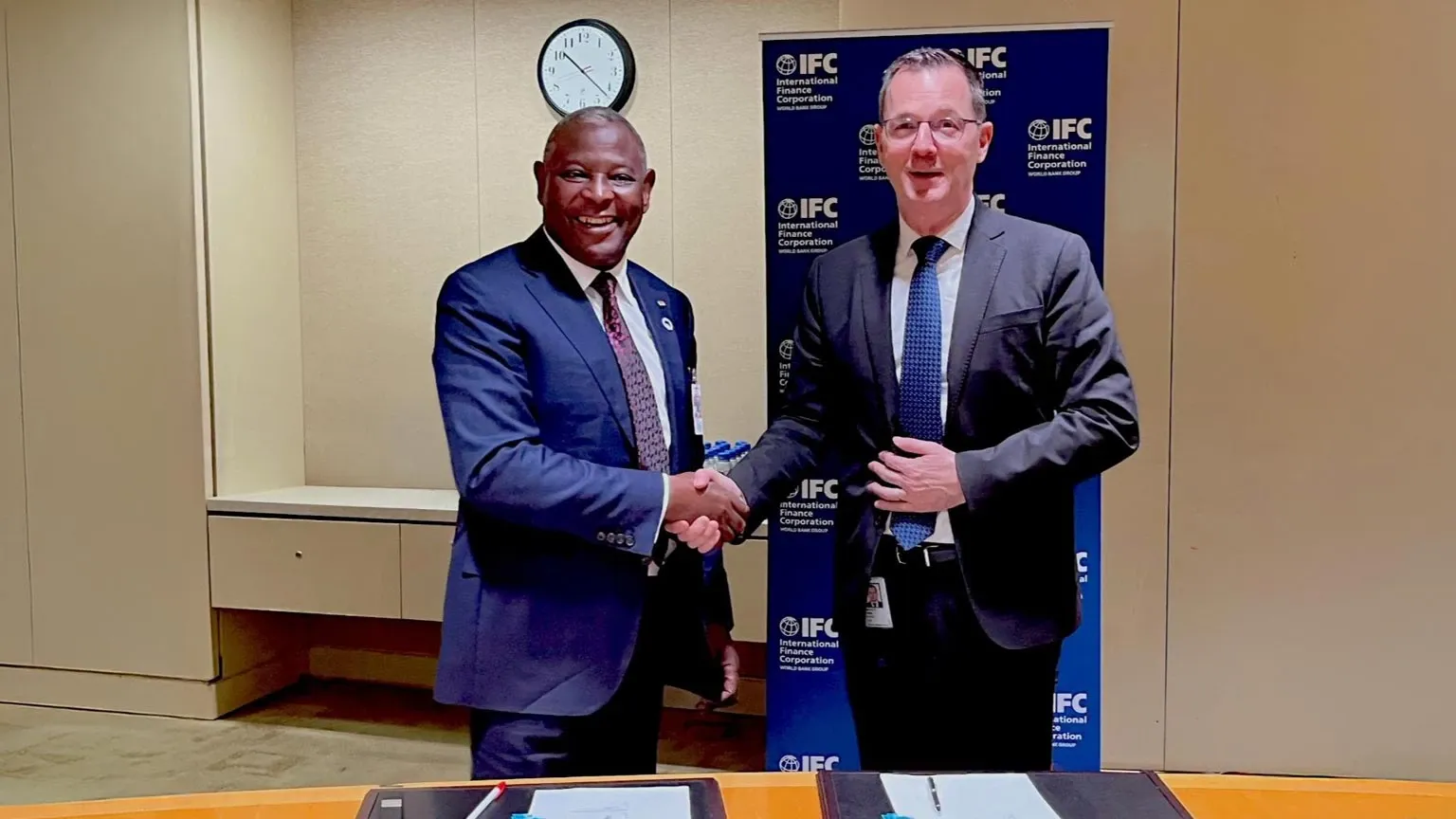
In a significant boost for entrepreneurship and gender equality in East Africa, Equity Bank Kenya and the International Finance Corporation (IFC) have announced a landmark partnership to bring the renowned Goldman Sachs ‘10,000 Women’ online business course to women entrepreneurs across Kenya. This collaboration, unveiled on July 21, 2025, aims to equip thousands of women-owned businesses with critical management skills, expand their networks, and enhance their access to much-needed capital, thereby addressing a persistent challenge that has historically stifled their growth.
The ‘10,000 Women’ program, a global initiative by the leading investment bank Goldman Sachs, is founded on the powerful belief that investing in women entrepreneurs is a catalyst for broader economic growth and stronger communities. By providing practical business and management education, coupled with mentorship and networking opportunities, the program seeks to unlock the immense, often untapped, potential of women-led enterprises. This strategic partnership between a global financial powerhouse, a leading development institution, and a prominent African bank is poised to create a transformative impact on Kenya’s economic landscape.
The Global Vision: Goldman Sachs ‘10,000 Women’
The Goldman Sachs ‘10,000 Women’ initiative, launched in 2008, is a testament to the firm’s commitment to fostering inclusive economic growth worldwide. It operates on the principle that by investing in women entrepreneurs, particularly in emerging markets, significant multiplier effects can be achieved – leading to job creation, increased incomes, and improved community well-being. Since its inception, the program has supported over 200,000 entrepreneurs across more than 150 countries, demonstrating its global reach and profound impact.
The program’s core offering is a practical business and management education delivered through a series of ten online courses. These courses are meticulously designed to cover all essential aspects of running and growing a business, from foundational principles to advanced strategies. Participants benefit from interactive activities and instruction from top business school educators, including those from the prestigious University of Leeds. The curriculum typically includes modules on:
- Fundamentals of Business Finance: Covering financial statements, budgeting, cash flow management, and financial planning.
- Leadership and Management: Developing effective leadership styles, team management, and organizational structures.
- Customers and Competition: Understanding market dynamics, customer needs, and competitive analysis.
- Sales and Marketing: Crafting effective sales strategies and leveraging digital marketing.
- Operations and Efficiency: Optimizing business processes for increased productivity.
- Funding and Negotiation: Strategies for accessing capital and effective negotiation techniques.
Beyond the structured curriculum, a cornerstone of the ‘10,000 Women’ program is its emphasis on mentorship and networking. Participants gain access to a vibrant global alumni network of over 200,000 entrepreneurs. This community provides invaluable opportunities for continued learning, peer support, collaboration, and access to a diverse pool of experience and expertise. The program recognizes that while education is vital, sustained growth often comes from strong connections and shared insights.
Addressing the Funding Gap: A Critical Challenge for Kenyan Women Entrepreneurs
The partnership between Equity Bank and IFC is particularly significant in Kenya, where women-owned businesses face substantial hurdles, especially in accessing finance. The news report highlights a stark reality: the financing gap for women-owned micro, small, and medium-sized enterprises (MSMEs) in Kenya is estimated to be as high as 83%. This figure is not merely a statistic; it represents millions of missed opportunities, stifled innovations, and unrealized economic potential.
Several factors contribute to this persistent funding gap:
- Collateral Requirements: Traditional lending models often demand tangible collateral, such as land or property, which women in many patriarchal societies may not own or control. This effectively locks them out of formal credit markets.
- Lack of Financial Literacy and Business Skills: While many women are adept at running informal businesses, they may lack formal financial literacy, business planning skills, or the ability to present compelling business cases to financial institutions. This is precisely what the ‘10,000 Women’ program aims to address.
- Bias and Discrimination: Implicit biases within financial institutions can lead to women entrepreneurs being perceived as higher risk, even when their repayment rates are often comparable to or better than those of their male counterparts.
- Informality of Businesses: A significant portion of women-owned businesses in Kenya operate in the informal sector, making it difficult for them to access formal credit due to a lack of verifiable financial records or formal registration.
- Limited Networks: Women often have less access to the informal business networks that can provide information about funding opportunities, mentorship, or market access.
Beyond finance, women entrepreneurs in Kenya also grapple with broader challenges, including cultural barriers that may limit their mobility or decision-making autonomy, and the burden of multiple domestic responsibilities that can restrict time for business development. A study by the IFC on “Sourcing2Equal Kenya” further revealed that women-owned businesses face structural barriers in securing contracts with large companies, with corporations spending just 3% of their total procurement budget on these businesses, primarily in low-value sectors like catering or cleaning. This underscores the need for comprehensive interventions that go beyond just finance to include market access and capacity building.
The ‘10,000 Women’ program directly confronts these challenges by providing not just education but also a pathway to a global network and, implicitly, improved access to capital as entrepreneurs become more “bankable” through enhanced skills and formalized business practices.
Equity Bank’s Pivotal Role: Leveraging Local Expertise and Extensive Reach
Equity Bank Kenya, a subsidiary of Equity Group, is uniquely positioned to drive the success of the ‘10,000 Women’ program in Kenya. The bank has a long-standing and deep-rooted commitment to empowering women in business and advancing financial inclusion across the country.
Dr. James Mwangi, Equity Group MD and CEO, articulated this alignment, stating, “Equity Bank is deeply committed to empowering women in business to achieve their aspirations and driving financial inclusion across Kenya. Partnering with IFC for the ‘10,000 Women’ program enables us to offer world-class learning opportunities to our customers, ensuring they have the skills and knowledge to thrive. This program will leverage our extensive regional network and digital platforms to reach women entrepreneurs in every corner of the country.”
Equity Bank’s commitment to women’s empowerment is not new. The bank will leverage its well-established “Fanikisha program,” an initiative launched in 2007. The Fanikisha program focuses specifically on providing financial literacy and business skills training to women, often through group-based lending models. It offers access to loans for micro-enterprises, household improvement, and essential services like education and healthcare, alongside mandatory business development services training. This existing infrastructure and expertise mean that Equity is not starting from scratch but building on a solid foundation of successful engagement with women entrepreneurs. The bank has been recognized globally for its efforts, including being feted as the platinum winner for the Best Financier for Women Entrepreneurs by the IFC and the Global SME Finance Awards in 2022.
Equity Group will play a central role in mobilizing, enrolling, and supporting cohorts of women entrepreneurs through the intensive 20-week program. The bank plans to extend invitations to women within its various customer tiers, including Shaba, Almasi, Dhahabu, and Platini, who are already part of the bank’s extensive ecosystem. This targeted approach ensures that the program reaches women who are already engaged in business and have a relationship with a financial institution, making them more likely to benefit and scale their ventures.
The bank’s extensive regional network, spanning across East and Central Africa, and its robust digital platforms will be instrumental in reaching women entrepreneurs even in remote areas. This wide reach is crucial for ensuring that the program’s benefits are not confined to urban centers but extend to women across Kenya, fostering truly inclusive growth.
IFC’s Strategic Partnership: Fostering Inclusive Growth and Sustainable Development
The International Finance Corporation (IFC), a member of the World Bank Group, is the largest global development institution focused on the private sector in emerging markets. Its mission is to advance economic development and improve the lives of people by encouraging the growth of the private sector in developing countries. IFC’s partnership in the ‘10,000 Women’ program aligns perfectly with its strategic objectives, particularly in fostering inclusive growth and sustainable development.
Jesman Chonzi, IFC’s Manager for the Financial Institutions Group in East Africa, underscored this strategic importance: “Empowering women entrepreneurs is central to our mission of fostering inclusive growth and sustainable development. IFC is committed to unlocking the potential of women entrepreneurs in Kenya, who are vital to driving economic growth and creating jobs. We are honoured to collaborate with Equity Bank Kenya and Equity Group Foundation to make this vision a reality.”
IFC brings to the partnership its global expertise in private sector development, its deep understanding of financial markets in emerging economies, and its commitment to gender-lens investing. The organization actively works to address market failures that limit women’s access to finance, markets, and training. Through initiatives like the Women Entrepreneurs Finance Initiative (We-Fi), IFC supports programs that help unlock billions of dollars in financing for women entrepreneurs by addressing a range of barriers.
IFC’s involvement ensures that the program benefits from international best practices, rigorous impact measurement, and a broader network of global development partners. Their collaboration with Equity Bank, a leading financial institution with extensive local knowledge and reach, creates a powerful synergy that can amplify the program’s impact, ensuring it is both globally informed and locally relevant.
The Broader Economic Impact on Kenya: SMEs as the Engine of Growth
The partnership underscores the vital role of Micro, Small, and Medium-sized Enterprises (MSMEs) as an undeniable engine of growth for the Kenyan economy. According to the Kenya National Bureau of Statistics (KNBS) and the Kenya Bankers Association, MSMEs constitute approximately 98% of all businesses in Kenya, employ over 15 million Kenyans, and contribute a significant portion, estimated at around 30-40%, to the national GDP. They are crucial for job creation, fostering innovation, and driving economic diversification.
Empowering women entrepreneurs is recognized as a direct and highly effective path to accelerating these economic benefits:
- Job Creation: Women-owned businesses are significant employers, particularly in local communities. By helping these businesses grow, the program directly contributes to creating new jobs and sustaining existing ones, which is critical for reducing unemployment, especially among youth.
- Economic Diversification: Women entrepreneurs are often found in diverse sectors, including services, agriculture, and manufacturing. Supporting their growth can lead to a more diversified economy, reducing reliance on a few dominant industries.
- Inclusive Growth: When women thrive economically, the benefits extend beyond their individual businesses. They are more likely to reinvest their profits into their families and communities, particularly in education and healthcare, leading to improved social outcomes and a more equitable distribution of wealth. This aligns with Kenya’s broader development agenda, including the Kenya Vision 2030, which emphasizes gender equality and women’s empowerment as key pillars for achieving a high quality of life for all citizens.
- Increased Tax Revenue: As women-owned businesses formalize and grow, they contribute more to the tax base, providing governments with additional resources for public services and infrastructure development.
- Innovation and Competitiveness: Equipping women with advanced business skills fosters innovation and helps their businesses become more competitive, both domestically and regionally.
The multiplier effect of investing in women is well-documented globally. When women have control over financial resources and business decisions, they tend to make choices that benefit their households and communities, leading to improved health, education, and overall well-being. This program, therefore, is not just an investment in individual businesses but a strategic investment in Kenya’s long-term socio-economic development.
Program Mechanics and Participant Benefits: A Roadmap to Success
The ‘10,000 Women’ program, delivered through the University of Leeds, offers entrepreneurs a practical and immersive learning experience. The 20-week online course structure is designed to be flexible, allowing participants to balance their studies with their demanding business operations.
Key benefits for participants include:
- World-Class Education: Access to a curriculum developed by leading academics and business experts, providing practical tools and strategies immediately applicable to their businesses.
- Interactive Learning: The online format incorporates interactive activities, case studies, and practical exercises, ensuring that learning is engaging and relevant.
- Expert Instruction: Guidance from top business school educators ensures high-quality instruction and insights.
- Global Alumni Network: Upon completion, participants receive a certificate from Goldman Sachs and gain eligibility to join the prestigious ‘10,000 Women’ alumni community. This global network provides invaluable opportunities for continued learning, mentorship, and peer-to-peer networking with like-minded businesswomen from diverse industries and regions. This ongoing support system is crucial for sustained growth and problem-solving.
- Enhanced Business Acumen: The comprehensive curriculum equips entrepreneurs with a holistic understanding of business operations, from financial management and marketing to strategic planning and human resources.
- Increased Confidence: Gaining formal business education and being part of a supportive network often significantly boosts entrepreneurs’ confidence in their abilities to grow and scale their businesses.
Challenges and Future Opportunities for Women Entrepreneurs in Kenya
While the ‘10,000 Women’ program offers a powerful solution, it’s important to acknowledge that women entrepreneurs in Kenya continue to face a complex web of challenges. Research indicates that beyond financial access, issues such as limited awareness of markets, domestic commitments, and a lack of managerial training and experience contribute to business failures. Cultural values that may limit women’s property ownership (affecting collateral) also persist.
However, the growing digital economy in Kenya presents significant opportunities. The widespread adoption of mobile money and increasing internet penetration mean that digital platforms can play a crucial role in overcoming geographical barriers to education and market access. Programs like ‘10,000 Women’ leverage this digital infrastructure to deliver world-class training directly to entrepreneurs, regardless of their location.
Furthermore, ongoing government support for MSMEs, including policies like the 30% public procurement preference for women entrepreneurs under Kenya Vision 2030, creates a more enabling environment. The focus on local content and empowering local businesses, as seen in other sectors, also bodes well for women-owned enterprises. The success of this program will not only empower individual women but also serve as a model for future initiatives aimed at fostering a more equitable and prosperous entrepreneurial ecosystem in Kenya.
Conclusion: A Blueprint for a Prosperous Future
The partnership between Equity Bank, IFC, and Goldman Sachs to launch the ‘10,000 Women’ program in Kenya represents a significant leap forward in empowering women entrepreneurs and driving inclusive economic growth. By directly addressing the critical gaps in business education, mentorship, networking, and access to finance, this initiative promises to unlock the vast potential of women-owned MSMEs, which are vital engines of job creation and economic diversification in Kenya.
Leveraging Equity Bank’s extensive local reach and established “Fanikisha program,” combined with IFC’s global expertise in private sector development and Goldman Sachs’ world-class curriculum, this collaboration creates a powerful synergy. It is a testament to the belief that investing in women is not just a social imperative but a smart economic strategy, yielding profound multiplier effects that benefit families, communities, and the national economy as a whole.
As thousands of Kenyan women entrepreneurs embark on this transformative 20-week journey, they will gain not only invaluable business skills but also access to a global network of support and inspiration. This program is more than just a course; it is a catalyst for change, laying a robust foundation for a more equitable, dynamic, and prosperous future for Kenya. The success of these women will undoubtedly contribute significantly to Kenya’s journey towards achieving its broader development goals, solidifying its position as a leader in inclusive growth on the African continent.
Ready to take your career to the next level? Join our dynamic courses: ACCA, HESI A2, ATI TEAS 7 , HESI EXIT , NCLEX – RN and NCLEX – PN, Financial Literacy!🌟 Dive into a world of opportunities and empower yourself for success. Explore more at Serrari Ed and start your exciting journey today! ✨
Photo source: Google
By: Montel Kamau
Serrari Financial Analyst
22nd July, 2025