
Equatorial Guinea has achieved a landmark milestone by obtaining an investment-grade credit rating of BBB/A2 from Bloomfield Investment Corporation, marking one of the few times a Central African oil producer has risen into this tier. The upgrade signals to international markets that the country has made meaningful strides toward fiscal consolidation, strengthened its external balances, and shown greater discipline in public spending. Yet it also underscores the fragility of progress built largely on oil revenues, governance shortcomings, and the arduous task of broadening an economy still riding on a single commodity.
An upgrade rooted in oil windfalls
Bloomfield’s decision reflects Equatorial Guinea’s improved fiscal metrics over the past two years, driven by a rebound in crude oil prices and higher production levels offshore. Following a period of depressed global oil markets that saw government revenues shrink dramatically, Malabo’s budget balance turned from a deficit of nearly 10 percent of GDP in 2023 to a small surplus in 2024. This reversal was coupled with rebuilding of foreign exchange reserves—which had dipped below three months of import cover—and a modest reduction in public debt ratios. The ratings director at Bloomfield noted that sustained oil cash flows are essential, warning that any sudden price slump could quickly unwind the gains.
Economic turbulence and near-term outlook
Despite the upgrade, Equatorial Guinea’s economy remains highly vulnerable to external shocks. The International Monetary Fund’s latest review projects that real GDP will contract by around 4 percent in 2025, following an estimated 2.5 percent downturn last year. The recession stems from lower-than-expected output in key offshore fields, mechanical breakdowns at processing plants, and delays in bringing new gas projects online. Meanwhile, consumer price inflation has ticked upward to about 4.1 percent, reflecting rising food and transportation costs. Although temporary tax relief measures and targeted subsidies have alleviated some pressure on households, the underlying inflationary trend remains a cause for concern.
Decades of oil dependency
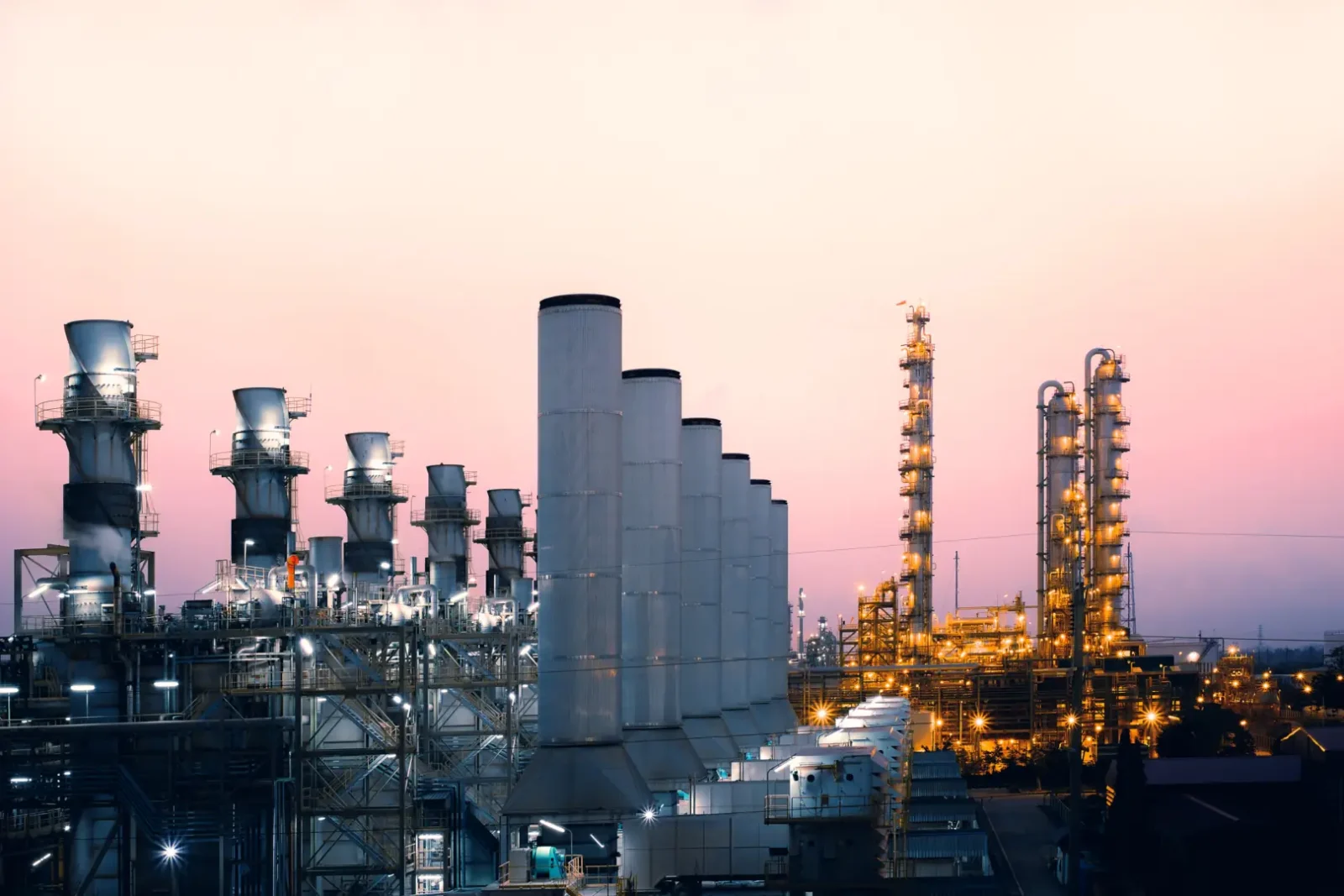
Equatorial Guinea’s transformation began in the mid-1990s with the discovery of sizeable offshore oil reserves. Since then, petroleum and natural gas have accounted for roughly 90 percent of export earnings and more than three-quarters of government revenue. A rebasing of national accounts in 2022 lifted GDP estimates by nearly a third, capturing previously unrecorded activities in oil services and related logistics. Yet with output plateauing—and in some fields on a slow decline—the country now confronts a dual challenge: sustaining public finances through volatile commodity cycles, and repurposing oil wealth to build new engines of growth.
The struggle to diversify
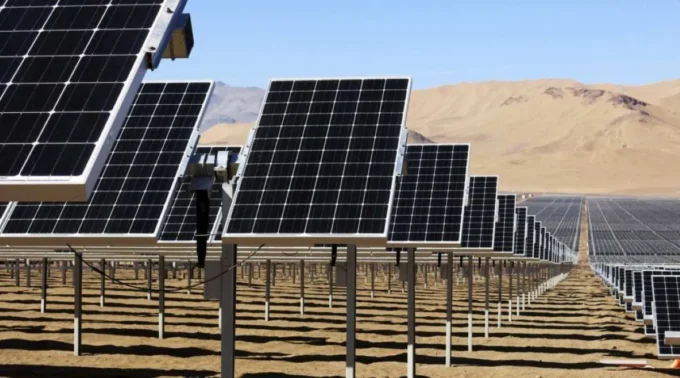
Efforts to develop non-oil sectors have been earnest but uneven. Agriculture once drove colonial-era exports of cocoa, coffee, and timber, yet today contributes less than 2 percent of GDP. Smallholder farms lack reliable access to finance, while poor rural roads and limited cold-chain infrastructure hamper efforts to commercialize perishable crops. Equatorial Guinea has also aimed to expand fisheries, eco-tourism, and agro-processing, but logistical hurdles, regulatory uncertainty, and scant private investment have slowed progress. A handful of solar power pilot projects and artisanal fishery cooperatives have shown promise, yet scaling these ventures demands a more predictable policy environment and deeper technical support.
Governance and transparency under scrutiny
Persistent concerns over governance cast a long shadow on the economic outlook. On international corruption indices, Equatorial Guinea ranks among the lowest in the world, reflecting long-standing patronage networks and limited judicial independence. Civil society groups consistently highlight a lack of public disclosures around contract awards in the oil sector, while parliamentary oversight of spending remains weak. Observers argue that without credible checks and balances—such as regular independent audits of state finances—the country risks squandering its oil windfall through inefficiency and graft.
Reform steps on paper, slower in practice
In recent years, Malabo has committed to a series of governance reforms under an IMF-monitored program. Key measures include new anti-money laundering regulations, revisions to the public procurement code, and the establishment of an anti-corruption commission with investigatory powers. Government spokespeople point to the adoption of quarterly budget execution reports and the rollout of an electronic treasury system as signs of progress. However, critics note that these reforms have been implemented unevenly, with limited public access to data, delayed publication of audit results, and scant prosecution of high-level mismanagement cases.
Vision 2035: charting a new course
To break its oil dependency, the government launched the National Sustainable Development Strategy 2035, a long-term blueprint targeting poverty eradication, infrastructure modernization, and human capital development. The strategy sets ambitious goals: universal primary school enrollment by 2030, a 50-percent reduction in extreme poverty, and 30 percent renewable energy generation by 2035. It also envisions the digitalization of core public services, from land registry to health records, aiming to foster transparency and boost entrepreneurial activity. Yet turning these lofty aims into reality will require sustained funding, institutional capacity building, and genuine stakeholder engagement.
Private sector: cautious optimism tempered by constraints
International investors have greeted the investment-grade rating with tentative optimism, eyeing opportunities in power generation, sustainable forestry, and light manufacturing. Local business leaders echo this view, but stress that predictable regulations and better access to credit are prerequisites for broader private-sector growth. At present, high interest rates—often exceeding 15 percent for small and medium enterprise loans—and foreign exchange volatility remain major barriers. Many entrepreneurs rely on personal networks and informal lending circles to finance operations, reducing the scale and ambition of domestic ventures.
Social indicators lag behind oil wealth
Despite per capita GDP figures among the highest in sub-Saharan Africa, social outcomes in Equatorial Guinea tell a different story. Nearly half of the population lives below the national poverty line, disproportionately in rural provinces where public services are scant. Clinics in remote areas often lack essential medicines, and maternal mortality rates—though improved—remain elevated compared to regional peers. Education spending has increased, yet school attendance drops sharply after primary level, reflecting both distance factors and household costs. Experts warn that without stronger social safety nets and targeted human-development investments, economic gains will continue to bypass large segments of society.
Debt profile and external financing
At roughly 40 percent of GDP, the government’s debt ratio is moderate by regional standards but gives little cushion against revenue shortfalls. Equatorial Guinea has limited recourse to concessional loans, and its outstanding IMF credit stands at just under 85 million US dollars. The new rating could pave the way for sovereign bond issuances at lower yields, enabling the refinancing of expensive short-term debt and the funding of infrastructure projects. Nonetheless, markets will closely watch budgetary discipline and policy consistency before extending large-scale lending.
Environmental stewardship and climate risks
As a major oil and gas producer, Equatorial Guinea faces mounting environmental challenges. Rising sea levels threaten low-lying coastal infrastructure, while occasional offshore spills underscore the risks of hydrocarbon exploitation. In response, authorities have drafted a REDD+ plan to reduce deforestation through payments for ecosystem services and to enhance coastal mangrove protection. Ambitions to expand solar and wind power capacity by installing mini-grids on islands and in rural districts are also under discussion. Integrating these climate actions with broader development goals will be crucial to safeguarding both livelihoods and long-term economic stability.
Regional standing in CEMAC
Within the Economic and Monetary Community of Central Africa, Equatorial Guinea’s improved credit profile now matches or exceeds that of several peers. Cameroon and Gabon, while more diversified, continue to wrestle with their own governance challenges and debt vulnerabilities. The new rating could strengthen Malabo’s hand in regional development banks and cross-border infrastructure initiatives, from port expansions to power interconnectors. Success, however, will depend on aligning national priorities with wider regional integration efforts, ensuring that shared projects deliver tangible benefits for local communities.
Potential pitfalls to watch
Several risks could jeopardize Equatorial Guinea’s hard-won status. A protracted slide in oil prices or unforeseen technical setbacks at major terminals would erode revenues and strain public finances. Political uncertainty over leadership succession—given the long tenure of the current presidency—could unsettle investors if reforms stall or are rolled back. Moreover, if governance measures remain superficial, perceptions of opaque decision-making may deter capital inflows despite the nominal BBB/A2 rating.
Navigating the road ahead
Securing investment-grade status is an achievement that reflects real improvements in fiscal discipline and macroeconomic management. It offers Malabo a window to secure lower-cost financing and to attract projects outside the hydrocarbon realm. Yet the rating also raises the bar: future reviews will closely examine whether Equatorial Guinea can transform one-off oil gains into sustainable, broad-based growth. Success will demand more than periodic reforms; it will require a deepening of institutional capacities, an unwavering commitment to transparency, and meaningful engagement with civil society.
Conclusion: cautious optimism
Equatorial Guinea finds itself at a critical juncture. The BBB/A2 designation validates years of efforts to stabilize budgets and rebuild reserves after a painful recession. But it is not a license to rest on past achievements. To preserve and build on this new credibility, the country must confront its entrenched overreliance on oil, deliver on governance promises, and ensure that economic dividends reach all citizens. If authorities can navigate these challenges—diversifying the economy, strengthening public institutions, and investing in people—the investment-grade rating may prove to be the beginning of a lasting turnaround rather than a fleeting high point.
Ready to take your career to the next level? Join our dynamic courses: ACCA, HESI A2, ATI TEAS 7 , HESI EXIT , NCLEX – RN and NCLEX – PN, Financial Literacy!🌟 Dive into a world of opportunities and empower yourself for success. Explore more at Serrari Ed and start your exciting journey today! ✨
Photo source: Google
By. Montel Kamau
Serrari Financial Analyst
25th April, 2025