

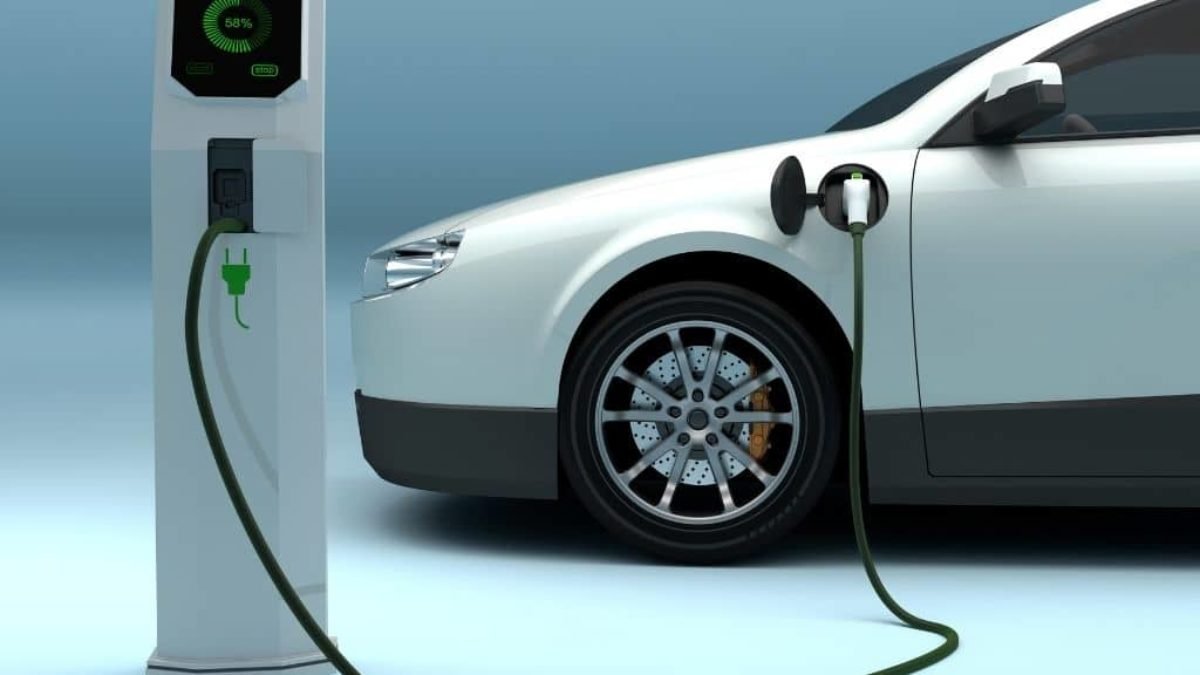
In a significant development for Nigeria’s automotive industry, the Electric Motor Vehicle Company (EMVC) has secured $275 million in Foreign Direct Investment (FDI). This landmark investment, announced by the company’s Chief Innovation and Technical Officer (CITO), Professor Chinedu Ochinanwata, during a press briefing in Beijing, China, marks a pivotal step towards revolutionizing Nigeria’s automotive sector.
The announcement was made after the signing of a strategic working agreement with the Chinese firm CRRC, held inside the Nigerian Embassy in Beijing. This partnership is seen as a major boost to Nigeria’s electric vehicle (EV) market, aligning with President Bola Ahmed Tinubu’s Renewed Hope Agenda, which aims to remodel Nigeria’s economy to compete favorably on the global stage.
A New Era for Nigeria’s Automotive Industry
Professor Ochinanwata expressed his enthusiasm for the collaboration, highlighting the significant impact this partnership will have on the Nigerian economy. “This is a landmark move set to revolutionize Nigeria’s automotive industry. With the signing of this mega deal with CRRC, Nigeria will, in no distant time, be a net exporter of electric vehicles in Africa,” he stated. The optimism is shared by CRRC, which views this partnership as a pivotal step in expanding their global footprint and supporting international cooperation.
The Nigerian Ambassador to China, Amb. Babagana Wakil, and the Special Assistant to the President on Foreign Direct Investment (FDI), Princess Zahra Mustapha-Audu, were present to witness the signing. Ambassador Wakil praised the agreement as a testament to the strengthening bilateral relations between Nigeria and China. He emphasized the critical role of the automotive industry in economic development and encouraged EMVC to continue supporting Nigeria’s economic growth through the Renewed Hope Agenda.
Strategic Partnership and Its Implications
The partnership between EMVC and CRRC is comprehensive, covering assembly, manufacturing, training, research, and development of cutting-edge electric vehicles. Financing support from Norinco, a leading Chinese financing company, is also part of the deal, ensuring the project’s financial stability and growth potential. This multifaceted collaboration is expected to significantly boost Nigeria’s electric vehicle market, create thousands of jobs, foster wealth creation, and facilitate the transfer of knowledge and skills.
Special Assistant to the President on FDI, Princess Zahrah Mustapha-Audu, remarked on the historic nature of the deal, highlighting its potential to transform Nigeria’s transportation landscape and contribute to a cleaner, greener future. “This historic deal is set to electrify Nigeria’s transportation landscape, paving the way for a sustainable and eco-friendly future,” she noted.
CRRC CEO Ye Lizhang expressed his excitement about the partnership, stating, “We’re excited to partner with EMVC and contribute to Nigeria’s sustainable transportation vision. This deal strengthens our global footprint and demonstrates our commitment to international cooperation.”
Economic and Environmental Impact
The infusion of $275 million into Nigeria’s electric vehicle sector is expected to have far-reaching impacts. Economically, the deal will create numerous job opportunities and stimulate local industries related to EV manufacturing and maintenance. The development of a robust EV ecosystem in Nigeria will also attract further investments and foster a supportive environment for innovation and technological advancement.
Environmentally, the shift towards electric vehicles will play a crucial role in reducing carbon emissions and combating climate change. Nigeria’s commitment to achieving its 2060 Net Zero target is bolstered by this deal, which aligns with global efforts to reduce dependence on fossil fuels and promote sustainable energy solutions.
The partnership will also enhance Nigeria’s capabilities in research and development, particularly in green technologies. By investing in cutting-edge EV technologies, Nigeria can position itself as a leader in the African e-mobility industry, driving progress towards a more sustainable future for the continent.
President Tinubu’s Renewed Hope Agenda
The investment aligns with President Bola Ahmed Tinubu’s Renewed Hope Agenda, which aims to diversify Nigeria’s economy and foster sustainable development. The agenda focuses on key sectors such as energy, technology, and transportation, with a strong emphasis on creating an enabling environment for foreign investments.
President Tinubu’s administration has been actively pursuing policies that encourage foreign direct investments and partnerships, recognizing their importance in driving economic growth and technological advancement. The EMVC-CRRC partnership is a testament to the success of these policies and the increasing attractiveness of Nigeria as an investment destination.
Broader Implications for Africa
The success of this partnership could serve as a model for other African nations looking to develop their own electric vehicle industries. The benefits of such investments extend beyond economic gains, contributing to improved public health through reduced air pollution and supporting global efforts to combat climate change.
As Nigeria takes the lead in the African e-mobility sector, it sets a precedent for other countries to follow. The knowledge and expertise gained through this partnership can be shared across the continent, fostering regional cooperation and development. The creation of a robust EV market in Africa could also stimulate demand for related industries, such as battery manufacturing and renewable energy infrastructure, further driving economic growth and sustainability.
The Road Ahead
The journey towards revolutionizing Nigeria’s automotive industry is just beginning. With the backing of substantial foreign investment and strategic international partnerships, EMVC is well-positioned to lead the charge in transforming Nigeria into a hub for electric vehicle production and innovation.
The successful implementation of this partnership will require continuous support from both the Nigerian government and the private sector. Ensuring a favorable regulatory environment, investing in infrastructure, and fostering a culture of innovation will be key to sustaining the momentum and achieving long-term success.
In conclusion, the $275 million investment in Nigeria’s Electric Motor Vehicle Company is a transformative milestone that promises to reshape the country’s automotive industry and contribute to broader economic and environmental goals. As Nigeria embarks on this ambitious journey, the world will be watching, and the lessons learned will undoubtedly inspire similar efforts across the African continent and beyond. The future of mobility in Nigeria looks bright, driven by innovation, sustainability, and a renewed hope for a prosperous and green economy.
photo source: Google
By: Montel Kamau
Serrari Financial Analyst
30th July, 2024