Electric vehicle charging company Electreon has completed its acquisition of InductEV Inc., a U.S.-based provider of high-power stationary wireless charging systems, creating what the companies describe as the most comprehensive wireless charging platform for commercial electric vehicle fleets.
The transaction, announced on March 10, brings together Electreon’s dynamic in-road charging technology with InductEV’s ultra-fast stationary wireless charging solutions for heavy-duty transit and freight vehicles.
By combining the technologies, the merged company aims to simplify the transition to electric mobility for commercial fleets by offering a single, end-to-end wireless charging ecosystem capable of supporting multiple operational scenarios.
The integrated platform will serve a broad range of electric vehicles, including passenger cars, delivery vans, public transit buses and heavy-duty Class-8 trucks, positioning the company as a major player in the rapidly evolving EV charging infrastructure market.
Markets move fast; don’t get left behind. We’ve paired the Serrari Group Market Index with a curated Marketplace and a comprehensive Financial Literacy Course to ensure you have the data—and the skills—to act on it.
Expanding Wireless Charging Across All EV Use Cases
The acquisition reflects a broader push within the EV industry to develop more efficient and convenient charging solutions as electric vehicle adoption accelerates worldwide.
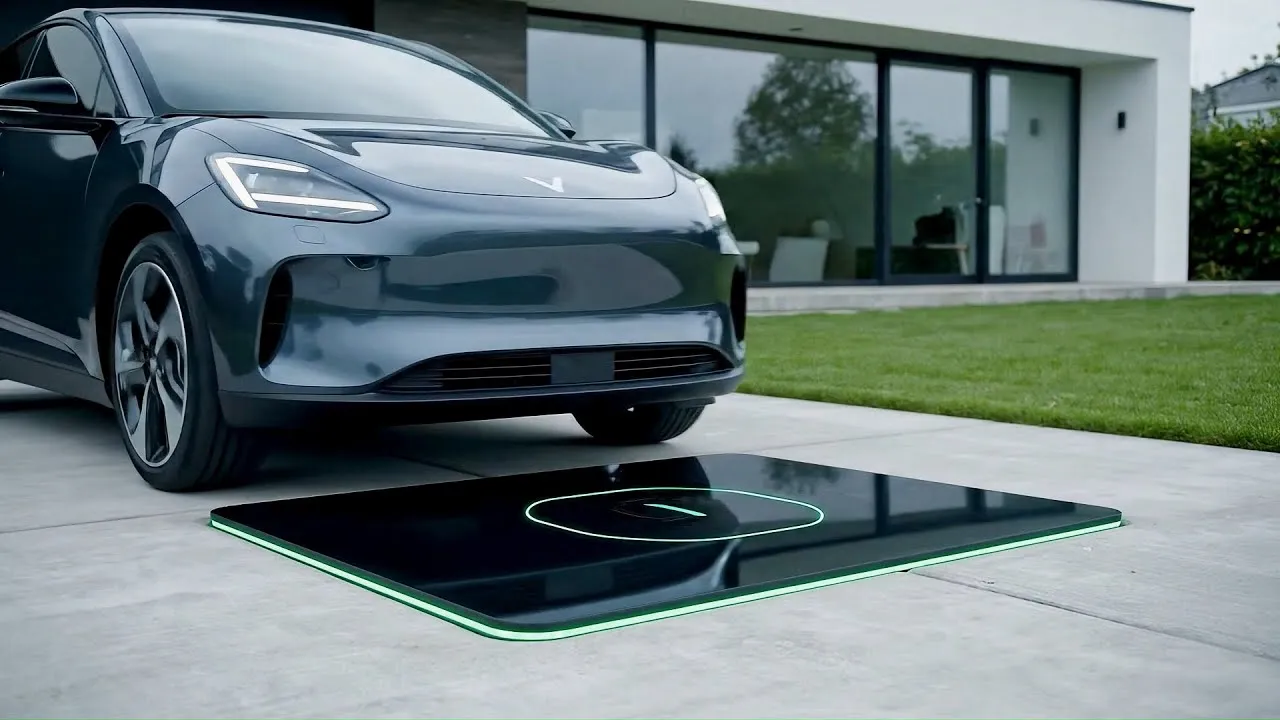
Traditional EV charging typically relies on plug-in conductive systems, where drivers must connect cables to charging stations. Wireless charging systems instead use inductive technology, enabling vehicles to charge automatically without physical connections.
Electreon’s technology allows vehicles to charge while driving over specially embedded charging infrastructure, whereas InductEV has developed stationary wireless charging systems capable of delivering high-power energy transfers to heavy-duty vehicles.
The combined technology portfolio will allow fleet operators to deploy wireless charging across three key operational scenarios:
- Dynamic charging while vehicles are driving
- Opportunistic charging during short stops along routes
- Overnight charging at depots and logistics hubs
Together, these solutions aim to eliminate the operational limitations associated with plug-in charging, particularly for large commercial fleets that require high uptime and predictable operating schedules.
The companies say that for every traditional conductive charging option—such as cables, pantographs or trolley systems—their wireless solutions offer a safer and more flexible alternative.
Comprehensive Wireless Charging Portfolio
Following the acquisition, Electreon now offers a product suite designed to cover the entire operational spectrum of commercial EV fleets.
The platform includes four core charging systems:
LINE (Dynamic Charging)
This system enables vehicles to charge while traveling at highway speeds or along urban corridors. Charging coils embedded beneath road surfaces transfer power wirelessly to vehicles as they drive over them.
DASH (Semi-Dynamic Charging)
Designed for high-traffic stop-and-go environments such as bus stops, taxi queues and traffic signals, the DASH system provides short bursts of high-power charging during brief stops.
DOT (Stationary Charging)
This system provides automatic wireless charging for parked vehicles at depots, logistics hubs or fleet parking areas.
Ultra DOT (High-Power Stationary Charging)
Powered by InductEV technology, the Ultra DOT platform delivers ultra-fast wireless charging for heavy-duty transit vehicles and freight trucks.
By integrating these systems into a single platform, Electreon aims to provide fleet operators with greater flexibility in designing charging infrastructure for different operational needs.
Benefits for Fleet Operators
Wireless charging technology has attracted growing attention from fleet operators seeking ways to improve efficiency and reduce operational disruptions during the transition to electric vehicles.
One of the key advantages of wireless charging is the ability to charge vehicles during normal operations, rather than requiring vehicles to stop for extended charging sessions.
According to Electreon, the technology offers several operational benefits for commercial fleets.
Increased Operational Uptime
Dynamic wireless charging allows vehicles to charge while driving along their routes, effectively turning transit time into charging time. This can significantly reduce the need for dedicated charging stops.
Reduced Range Anxiety
Because vehicles can receive energy continuously along designated routes, fleets can operate with smaller batteries while maintaining extended driving range.
Improved Safety and Convenience
Wireless charging eliminates the need for drivers to handle heavy charging cables or connectors. This can improve safety, particularly in adverse weather conditions or busy transit environments.
Lower Total Cost of Ownership
The ability to use smaller batteries can lower vehicle purchase costs and increase payload capacity for commercial vehicles, helping reduce overall fleet operating costs.
Flexible Infrastructure Deployment
Wireless charging infrastructure can be integrated into roads, bus stops or parking facilities, allowing fleet operators to design charging systems that fit existing operational patterns.
Context is everything. While you follow today’s updates, use the Serrari Market Index and Marketplace to spot emerging shifts. Need to sharpen your edge? Our Financial Literacy Course turns these insights into a professional-grade strategy.
Software and Grid Integration
Beyond the physical charging infrastructure, the combined company also offers energy management software designed to optimize electricity use across charging networks.
Electreon’s Flow software platform helps manage the timing and distribution of power delivery to avoid peak electricity demand periods.
This approach can reduce utility costs for fleet operators and limit the need for expensive upgrades to local electricity infrastructure.
By managing energy demand more efficiently, the platform also supports broader efforts to integrate EV charging networks into existing power grids without placing excessive strain on electricity systems.
Strengthening Supply Chains and Government Eligibility
The acquisition also strengthens Electreon’s manufacturing and supply chain capabilities.
InductEV’s production systems comply with Build America Buy America (BABA) requirements, which are essential for U.S. transit agencies and government contractors seeking federal funding for infrastructure projects.
By integrating InductEV’s manufacturing capabilities with Electreon’s global supply chain, the combined company aims to ensure that North American customers remain eligible for government incentives while benefiting from large-scale production efficiencies.
This capability is particularly important as governments worldwide increase funding for electric mobility infrastructure as part of broader climate and transportation policy initiatives.
Leadership Sees Global Expansion Opportunity
Executives from both companies said the acquisition represents a major milestone for the wireless EV charging industry.
Electreon CEO and co-founder Oren Ezer described the deal as a defining moment for the sector.
“Together with InductEV, we have created a truly global powerhouse,” Ezer said.
“By combining our proven dynamic wireless product with InductEV’s leadership in ultra-fast stationary charging, we offer powerful synergies in manufacturing and technology. We are now the only partner capable of delivering a wireless solution for every charging scenario, helping fleets go electric without compromising their operations.”
InductEV CEO John F. Rizzo said the partnership would accelerate the adoption of wireless charging technology across global markets.
“I have long believed that wireless charging is the key to redefining how fleets operate,” Rizzo said.
“By joining Electreon, we are combining world-class innovation with global reach. Our North American and European customers now have a clear, scalable path to sustainable, hands-free power that works at the speed of their business.”
Growing Momentum for Wireless Charging Technologies
The acquisition comes amid growing global interest in wireless charging technologies for electric vehicles.
Several governments and transit agencies are currently exploring wireless charging infrastructure as a way to simplify EV operations for public transportation and freight fleets.
For example, Florida recently launched trials of wireless EV charging highways, while Transport for London has introduced rapid wireless charging technology for electric buses.
Such projects highlight the potential for wireless systems to support large-scale electrification of transportation networks.
Industry experts believe that wireless charging could play an important role in accelerating EV adoption in sectors such as public transit, logistics and heavy-duty trucking, where operational efficiency and minimal downtime are critical.
Expanding Global Deployment
Electreon currently operates nearly 30 projects across nine countries with more than 100 industry partners, reflecting the growing adoption of its wireless charging technology worldwide.
InductEV, headquartered in King of Prussia, Pennsylvania, has deployed its high-power wireless charging systems across North America and Europe.
The company’s technology was named one of Time Magazine’s Best Inventions of 2024, highlighting its role in advancing EV charging innovation.
By combining their technologies and market presence, the companies aim to accelerate deployment of wireless charging infrastructure across global transportation networks.
Outlook: Wireless Charging Could Transform Fleet Electrification
As electric vehicle adoption continues to accelerate globally, charging infrastructure remains one of the most significant challenges for large-scale fleet electrification.
Traditional plug-in charging systems can create operational bottlenecks, particularly for fleets that operate on tight schedules or require continuous operation.
Wireless charging systems offer a potential solution by enabling vehicles to charge automatically during normal operations without requiring manual intervention.
With governments investing heavily in electric transportation infrastructure and companies seeking ways to reduce emissions and fuel costs, wireless charging technology could become an increasingly important component of the EV ecosystem.
By combining dynamic road-based charging with high-power stationary systems, Electreon and InductEV are positioning themselves to play a key role in shaping the next generation of electric mobility infrastructure.
Don’t just read the news—navigate it. Track trends with the Serrari Group Market Index, discover your next move in the Serrari Marketplace, and master the “how” with our Financial Literacy Course.
Photo Source: Google
By: Rosemary Wambui
16th March 2026