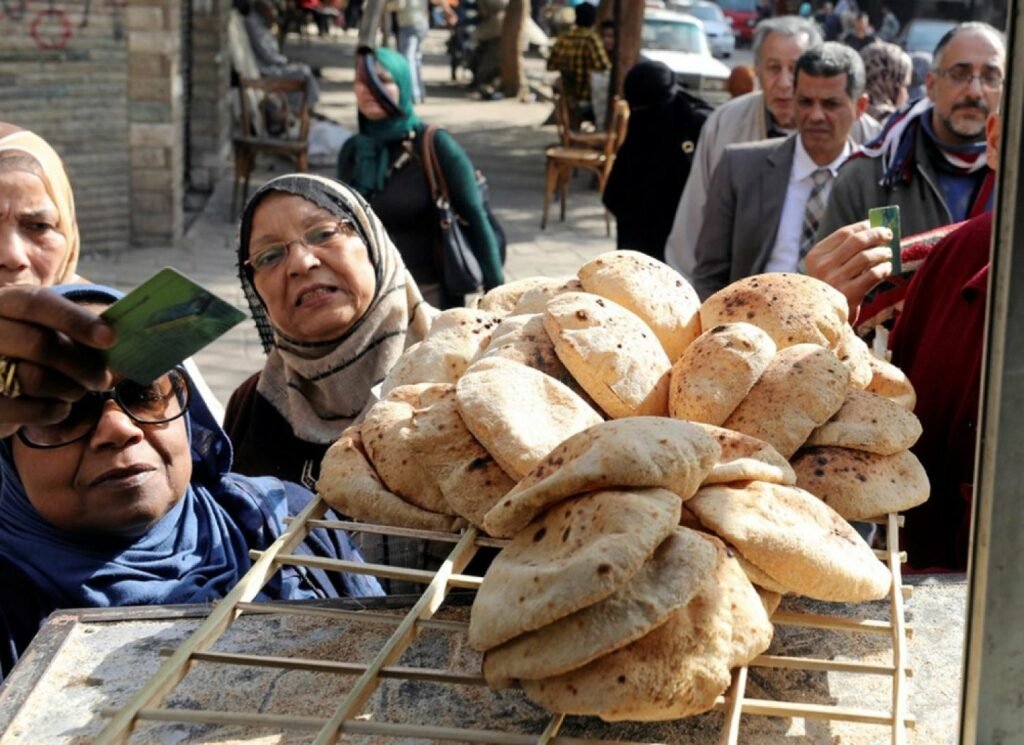
In a significant policy shift, Egypt’s Prime Minister Mostafa Madbouly has announced a 300% increase in the price of subsidized bread, effective in June. This will be the first increase in decades for a staple that two-thirds of the Egyptian population depends on daily.
Adjusting to Economic Realities
The price hike will see the cost of subsidized bread rise from 5 piasters to 20 piasters ($0.0042) per loaf. The decision aims to address the financial burden of the subsidy program, which has long been a major strain on Egypt’s budget.
“We understand fully that the price rise is a sensitive issue, and many previous governments avoided addressing it,” Madbouly stated during a press conference. “However, the size of the subsidy bill necessitates this move to ensure the sustainability of services.”
Economic Context and Subsidy Reform
This decision follows a period of economic turbulence, marked by a sharp devaluation of Egypt’s currency in March and a shift to a flexible exchange rate system. Inflation peaked last summer but has since moderated somewhat. The government is exploring a shift towards conditional cash subsidies for bread to enhance the efficiency of the support system.
Supply Minister Ali Moselhy noted that the new price still represents a small portion of the actual production cost, which has increased to 125 piasters per loaf from 115 piasters last year. The Finance Ministry has allocated approximately 125 billion Egyptian pounds ($2.66 billion) for bread subsidies in the 2024/2025 budget, along with 147 billion pounds for petroleum product subsidies.
Historical Sensitivity and Future Plans
Egypt, a major global wheat importer, brought in about 10.88 million metric tons of wheat in 2023, up 14.7% from the previous year. The importance of bread subsidies is deeply ingrained in the country’s social fabric, as highlighted by the 1977 riots triggered by an attempt to reform the subsidy system.
Madbouly emphasized that this increase is part of a broader strategy to manage subsidy costs effectively while continuing to support the nation’s most vulnerable. The government has received significant financial support from the International Monetary Fund (IMF), the United Arab Emirates (UAE), and other entities, which is expected to help stabilize the economy and support ongoing reforms.
The increase in bread prices is a necessary step towards economic sustainability, aiming to balance fiscal responsibility with the imperative to maintain social stability and support for Egypt’s poorest citizens.
photo source: Google
By: Montel Kamau
Serrari Financial Analyst
30th May, 2024