A Turning Point for the Egyptian Economy
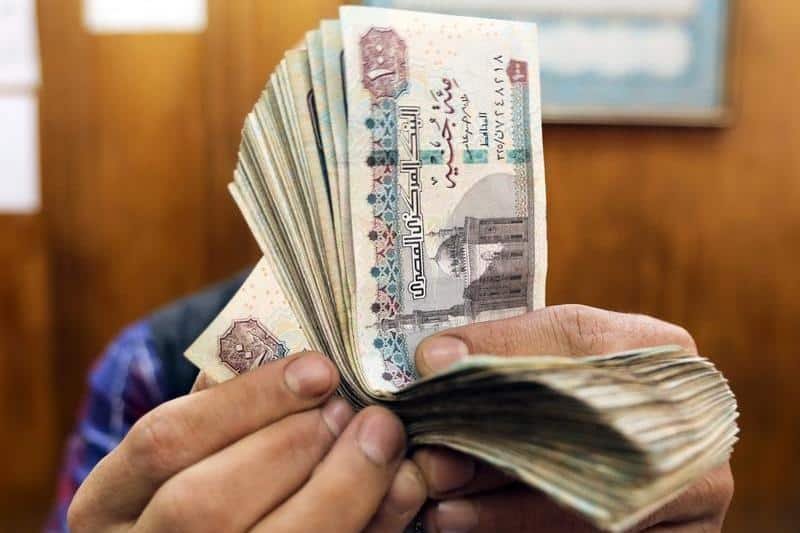
In an exciting turn of events, Egypt has achieved a remarkable feat by reducing its foreign debt by a staggering $14 billion in just five months. This news, announced on July 23rd, 2024, marks a pivotal moment for the Egyptian economy, signaling a strong commitment to fiscal discipline and a promising economic future.
Understanding the Debt Challenge
For nearly a decade, Egypt’s external debt had ballooned, quadrupling as the nation poured funds into critical projects. These included infrastructure development, the ambitious new administrative capital, military modernization, and maintaining a stable currency peg. While these investments were essential for national growth, they also contributed to a significant debt burden.
Strategic Maneuvers for Debt Reduction
The recent success in reducing debt is the result of several strategic economic maneuvers by the Egyptian government. Let’s dive into the key drivers behind this achievement:
- International Monetary Fund (IMF) Support: In March 2024, Egypt secured a crucial $8 billion financial support package from the IMF. This agreement was a strong endorsement of the government’s economic reforms and boosted confidence in Egypt’s future economic trajectory within the international financial community. The IMF loan provided much-needed resources to address immediate debt obligations and stabilize the financial sector.
- Landmark Asset Sale: A game-changing move came in February 2024, when Egypt sold a vast expanse of prime Mediterranean coastline to Abu Dhabi for an impressive $35 billion. This landmark transaction generated substantial capital that directly contributed to debt reduction. More importantly, it showcased Egypt’s ability to attract significant foreign investment, underlining the country’s strategic location and economic potential.
- Fiscal Consolidation Efforts: Beyond these high-profile actions, the Egyptian government has implemented various fiscal consolidation measures. These include:
- Rationalizing Subsidies: The government has taken a careful approach to reduce subsidies on certain goods and services, aiming to improve the efficiency of resource allocation and reduce fiscal strain.
- Tax Reforms: Efforts have been made to broaden the tax base and improve tax collection efficiency, generating additional government revenue without placing undue burden on existing taxpayers.
- Public Expenditure Management: The government has focused on optimizing public spending by prioritizing critical investments and streamlining administrative processes, ensuring resources are allocated effectively to areas yielding the highest economic returns.
Benefits of Debt Reduction
The successful reduction in Egypt’s foreign debt carries significant benefits for the country’s economic health:
- Reduced Interest Burden: A lower debt level translates to a significant reduction in annual interest payments, freeing up valuable fiscal resources for other critical areas like social development, healthcare, and education.
- Improved Credit Rating: Egypt’s proactive approach to debt management is likely to improve its credit rating with international agencies, allowing the country to access future borrowings at lower interest rates and further reducing the long-term debt burden.
- Enhanced Investor Confidence: The decisive steps taken to address the debt challenge demonstrate the government’s commitment to fiscal responsibility, fostering a more positive investment climate and potentially attracting greater foreign direct investment (FDI) into various sectors of the Egyptian economy.
Challenges and the Road Ahead
While Egypt’s debt reduction is a positive development, challenges remain. Global economic uncertainties, including rising inflation and potential recessions in major economies, could pose risks to Egypt’s export earnings and foreign exchange reserves. Additionally, sustaining fiscal discipline and resisting the temptation to increase spending will be crucial to maintaining the downward debt trajectory.
Building a More Prosperous Future: Egypt’s Strategic Advantages
Despite these challenges, Egypt possesses several strategic advantages that hold promise for a more prosperous future:
- Strategic Location: Egypt’s position at the crossroads of Africa, Asia, and Europe provides a unique advantage for trade and investment, enabling the country to become a vital hub for international commerce.
- Abundant Natural Resources: Egypt boasts significant natural resources, including fertile land along the Nile River, oil and gas reserves, and untapped mineral wealth. Developing these resources sustainably can contribute to economic diversification and export growth.
- Skilled Workforce: Egypt has a large and young population with a growing pool of skilled labor. Investing in education and training programs can further enhance the workforce’s capabilities, making the country more attractive to foreign investors.
Conclusion
Egypt’s remarkable achievement in reducing its foreign debt in such a short period showcases the country’s dedication to economic reform and fiscal responsibility. This success story serves as an inspiration for other nations grappling with similar challenges. As Egypt continues to implement prudent economic policies, leverage its strategic advantages, and foster international partnerships, the future looks bright for a more prosperous and resilient Egyptian economy.
photo source: Google
By: Montel Kamau
Serrari Financial Analyst
23rd July, 2024