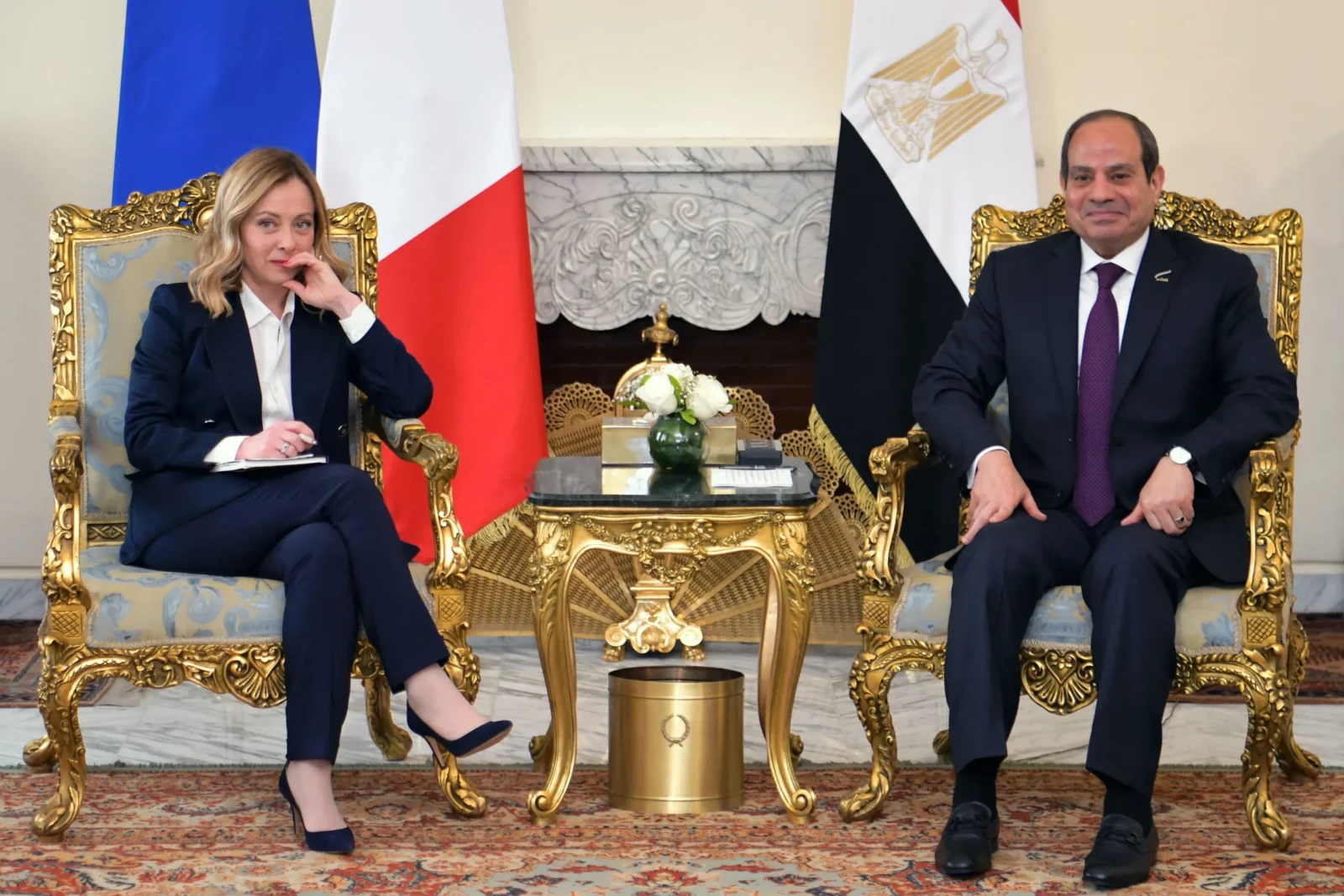
Egypt’s Minister of International Cooperation, Rania Al-Mashat, and Michele Quaroni, the Italian Ambassador to Cairo, met to review the progress of the Egyptian-Italian debt swap program. Held at the Ministry’s headquarters in the New Administrative Capital, the meeting focused on the program’s third phase, valued at $100 million, which supports a range of development initiatives.
This phase finances projects in food security, agriculture, higher education, civil society, environmental conservation, cultural heritage preservation, women’s empowerment, wheat storage infrastructure, and child protection. Minister Al-Mashat highlighted the program’s role in reducing Egypt’s external debt while funding essential development projects. She noted that the debt swap mechanism serves as an exemplary model for other development partners.
Ensuring Effective Implementation
The committee discussed the current status of the third phase projects and strategies to address challenges and optimize fund utilization. Regular meetings were emphasized as crucial for maintaining efficient implementation and achieving the program’s goals. Minister Al-Mashat reaffirmed the Ministry’s commitment to working with various ministries and stakeholders to ensure the remaining funds are used effectively to complete ongoing projects by the end of the year.
Additionally, the potential for Italian involvement in the “Hub for Advisory, Finance & Investment for Enterprises” platform was explored. This platform aims to streamline financial and technical services offered to the private sector by development partners, enhancing support for Egyptian businesses.
Future Collaboration
The meeting also paved the way for negotiations on a fourth phase of the debt swap program. Ambassador Quaroni expressed Italy’s interest in supporting Egypt’s “NWFE” program, which focuses on water, food, and energy. Potential areas for collaboration in the new phase include the agricultural food sector, support for marginalized groups affected by climate change and food insecurity, investment in human capital, and the establishment of agricultural technical schools.
A Longstanding Partnership
Egypt and Italy have a history of cooperation dating back to the 1970s. The debt swap program began in 2001 with its first phase, which saw 54 projects implemented. The second phase, launched in 2007, supported 32 projects. The ongoing third phase, initiated in 2012, has brought the total value of the program to approximately $350 million.
Past phases have funded a wide array of initiatives, including rural development, educational projects, green transformation efforts, and water supply system improvements. The second phase particularly focused on poverty reduction, job creation, waste management, and the modernization of industrial schools and technical education complexes.
The continuation and potential expansion of the debt swap program highlight the strong and enduring partnership between Egypt and Italy. This collaboration not only addresses critical development needs but also strengthens the bilateral relationship, fostering a more sustainable and prosperous future for both nations.
Photo source: Google
By: Montel Kamau
Serrari Financial Analyst
27th May, 2024