Introduction
In a landmark decision for Sub-Saharan Africa, the European Bank for Reconstruction and Development (EBRD) will officially begin operations in Benin, Côte d’Ivoire and Nigeria from July 2025. This follows the formal amendment to the EBRD’s founding treaty, approved by its shareholders in April 2025, which extends the Bank’s mandate beyond its traditional Eastern Europe and Central Asia remit into select African markets (EBRD). With over €220 billion invested globally since its inception in 1991, the EBRD’s expansion promises to unlock new private-sector financing, promote economic diversification, and catalyze green growth across the region.
West Africa’s Growth Trajectory
Sub-Saharan Africa is on the cusp of a modest rebound after several years of headwinds. According to the World Bank’s latest Africa’s Pulse report, regional GDP growth is projected to reach 3.5 percent in 2025, up from 3.4 percent in 2024, and accelerate to 4.3 percent by 2026–27 (World Bank). This uptick is driven by rising private consumption, renewed investment, and easing inflation—median consumer prices fell from 7.1 percent in 2023 to 4.5 percent in 2024, providing breathing room for monetary authorities. Yet these gains remain uneven: while smaller, diversified economies outpace the average, commodity-dependent giants like Nigeria and South Africa lag behind. Stronger governance, deeper financial markets, and infrastructure improvements are needed to translate growth into broad-based poverty reduction.
EBRD’s New Mandate in Sub-Saharan Africa
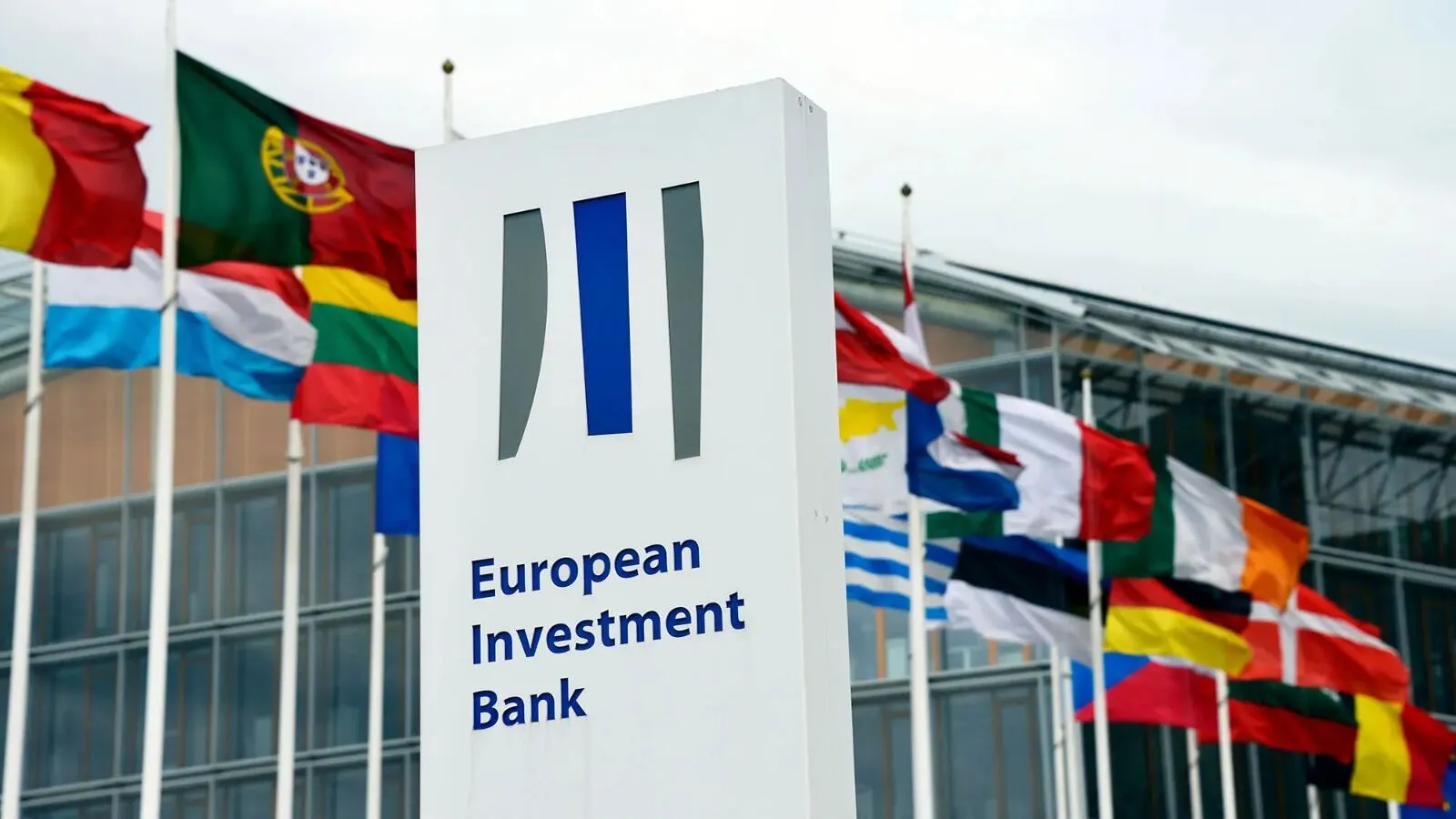
At its 34th Annual Assembly in London on May 15, 2025, the EBRD’s shareholders ratified an amendment to Article 1 of the Agreement Establishing the EBRD, authorizing a “limited and gradual” geographic expansion into Sub-Saharan Africa and Iraq. Effective July 2025, Benin, Côte d’Ivoire and Nigeria will receive full “recipient country” status, enabling them to access the Bank’s suite of financing tools, technical assistance, and policy-reform expertise (Ecofin Agency, Reuters). The EBRD now counts 75 national shareholders, including the European Union and the European Investment Bank, underpinning its capacity to mobilize public and private capital at scale.
The EBRD Model: Private-Sector Focus and Local Engagement
Unlike many multilateral development banks, the EBRD operates with a private-sector mandate, deploying risk-sharing instruments—equity, debt, and guarantees—to crowd in commercial financing. Each country office is staffed with locally based teams that tailor projects to market needs, whether in agribusiness, financial intermediaries, infrastructure, or green technologies. As President Odile Renaud-Basso noted, “We will leverage our financial resources and expertise to boost these economies and provide new opportunities for their people, complementing the work of existing development partners” (EBRD). In West Africa, early pipelines encompass renewable-energy plants, SME credit lines, and sustainable transport initiatives designed to strengthen competitiveness and resilience.
Spotlight on Benin
- Growth and Structure: Benin registered 6.5 percent GDP growth in 2023–24, outpacing the regional average, with inflation subdued at 2 percent in 2024. Agriculture remains the backbone—cotton, cashew nuts and palm oil—but the government’s Special Economic Zone (SEZ) in Sèmè-Podji offers tax incentives that have attracted manufacturing and logistics investors (Trade Finance Global).
- Economic Challenges: With a GDP of US $21.3 billion and per-capita income of $1,440, Benin faces infrastructure gaps, limited access to long-term finance, and vulnerability to climate shocks.
- EBRD Opportunities: The Bank plans to support expansion of port and rail links to Cotonou, bolster agribusiness value chains with working-capital facilities, and finance solar mini-grids to improve rural electrification—advancing both productivity and climate goals.
Spotlight on Côte d’Ivoire
- Growth and Structure: Averaging 7 percent annual GDP expansion from 2012–23, Côte d’Ivoire is a regional success story. Services and industry now account for 75 percent of output, while cocoa, coffee and cashews underpin exports. Inflation is moderate at 3.8 percent, and per-capita GDP reached $2,900 in 2024 (Trade Finance Global).
- Economic Challenges: Urbanization has strained infrastructure in Abidjan, and fiscal space is limited by rising public debt.
- EBRD Opportunities: Potential projects include green bond-linked municipal upgrades, expansion of digital financial-inclusion platforms (building on mobile-money penetration of over 60 percent), and financing for the planned Eni-led oil project (200 kbpd by 2027), where EBRD’s due-diligence and environmental standards can add value.
Spotlight on Nigeria
- Growth and Structure: After a decade of sub-par performance, Nigeria posted 4.6 percent real GDP growth in Q4 2024, driven by services and non-oil sectors. The IMF forecasts 3.6 percent expansion in 2025, supported by tighter monetary policy and currency unification that restored FOREX reserves above $37 billion (The World Bank Documents).
- Economic Challenges: Despite reforms—fuel-subsidy removal, exchange-rate liberalization and electricity subsidy cuts—Nigeria grapples with high unemployment, rural poverty, and critical infrastructure deficits. Public debt stands at 45 percent of GDP, constraining capital budgets.
- EBRD Opportunities: The Bank’s entry could finance power-distribution upgrades, credit lines for agribusiness SMEs in the north, and digital infrastructure partnerships to extend broadband to under-serviced states—leveraging Nigeria’s fast-growing tech ecosystem.
Regional Economic Impact
Trade Corridors and Integration
EBRD financing of logistics and port modernization—particularly in Lagos, Abidjan and Cotonou—can reduce bottlenecks that currently add 15–20 percent to transport costs. As intra-regional trade accounts for just 18 percent of Africa’s total, unlocking efficient corridors can increase cross-border commerce in West Africa by up to 30 percent, according to the Economic Community of West African States (ECOWAS) (World Bank).
Job Creation and Skills Transfer
Large-scale infrastructure and MSME-focused projects are estimated to create 50,000 direct and indirect jobs across the three countries over five years. The EBRD’s mandate includes technical-assistance grants to vocational institutes, ensuring that local workers gain certified skills in construction, operations, and maintenance—helping to close the skills gap that currently hampers productivity.
Green Transition and Climate Resilience
Under its Green Economy Transition (GET) approach, the EBRD commits at least 50 percent of new projects to green financing. In West Africa, this could translate into 500 MW of solar capacity, 200 km of electrified rail lines, and waste-to-energy plants—cutting carbon emissions, improving public health, and enhancing energy security in a region where 30 percent of the population still lacks reliable power.
Coordination with Other Development Partners
The EBRD’s arrival will complement efforts by the African Development Bank (AfDB), World Bank, IMF, and bilateral agencies. For instance, AfDB’s Programme for Infrastructure Development in Africa (PIDA) and the World Bank’s Doing Business reforms in Nigeria and Côte d’Ivoire set the stage for EBRD-backed PPPs. Memoranda of Understanding signed among these institutions aim to co-finance projects and harmonize environmental and social standards, reducing duplication and expanding impact.
Challenges and Mitigation Strategies
- Political and Regulatory Risk: Although all three governments have demonstrated commitment to private-sector reform, election cycles and policy shifts can derail projects. The EBRD will mitigate this via sovereign and quasi-sovereign guarantees, and by embedding stabilization clauses in contracts.
- Currency Volatility: Recent naira and CFA-franc swings could undermine project economics. The Bank’s currency-hedging instruments and local-currency financing windows aim to shield borrowers from exchange-rate shocks.
- Debt Sustainability: With Nigeria’s debt at 45 percent of GDP and rising, EBRD financing will be structured to respect each country’s debt-service capacity, often blending concessional and commercial tranches to maintain prudent debt ratios.
Looking Ahead: Pipeline and Timeline
According to EBRD President Renaud-Basso, an initial €2 billion pipeline of projects is expected to be signed by the end of 2025, including:
- €500 million facility for SME lending via local banks in Nigeria.
- €300 million financing for solar-home systems in remote Benin markets.
- €200 million for green-bond issuance by the Côte d’Ivoire government to fund urban transport upgrades in Abidjan.
- Technical-assistance grants totaling €25 million for regulatory reform and capacity-building across the three economies.
Conclusion
The EBRD’s expansion into Benin, Côte d’Ivoire and Nigeria marks a pivotal moment for West Africa’s development trajectory. By deploying its proven private-sector finance model, local expertise, and green-growth mandate, the Bank is uniquely positioned to tackle infrastructure deficits, mobilize private capital, and foster sustainable, inclusive growth. While execution risks remain—in political cycles, currency markets and debt dynamics—the potential benefits are substantial: faster trade corridors, millions lifted out of poverty through employment, and a cleaner, more resilient economic foundation.
As Ghana, Kenya and Senegal prepare to follow suit, West Africa stands at the threshold of a new investment era—one driven by enterprise, integration and the promise of a truly regional economic powerhouse.
Ready to take your career to the next level? Join our dynamic courses: ACCA, HESI A2, ATI TEAS 7 , HESI EXIT , NCLEX – RN and NCLEX – PN, Financial Literacy!🌟 Dive into a world of opportunities and empower yourself for success. Explore more at Serrari Ed and start your exciting journey today! ✨
Photo source: Google
By: Montel Kamau
Serrari Financial Analyst
26th May, 2025