
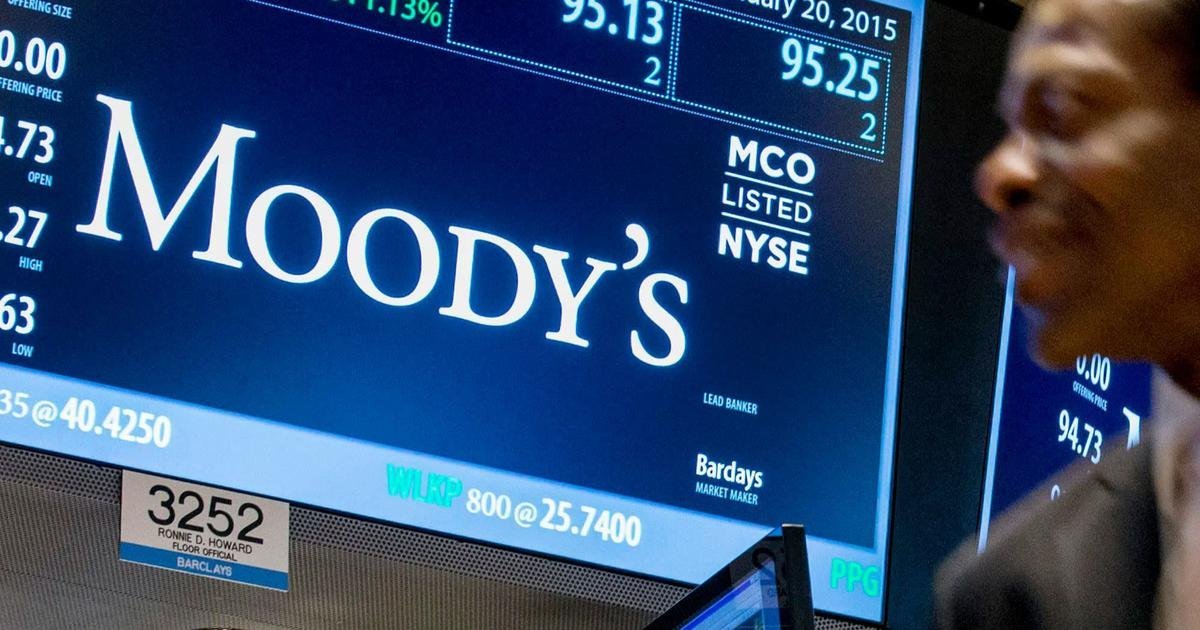
Moody’s Credit Rating Agency’s assertion that Kenya’s planned buyback of its Eurobond debt constitutes a default has been criticized by the African Credit Rating Research & Advisory, an entity under the African Union. The African Peer Review Mechanism (APRM), in a statement, disputes Moody’s claims and highlights the “voluntary” nature of the bond buyback initiative, which grants investors the option to abstain.
On August 2nd, 2023, Moody’s declared that it would consider Kenya’s bond buyback plan tantamount to a default. These remarks prompted a sell-off of Kenya’s Eurobonds, causing yields to surge and the domestic currency to weaken. Consequently, this situation undermines fiscal endeavors, dampens investor interest and trust, and jeopardizes the government’s success in executing the buyback strategy.
The APRM characterizes Moody’s speculative commentary on Kenya’s default scenario as a preemptive rating action, akin to prematurely disclosing a credit rating to the public. The APRM cautions against Moody’s recurrent ad hoc pessimistic and negative opinions, asserting that these views lack a connection to any formal rating action or substantial research reports on the subject.
The African Union institution is advocating for the Africa Network of National Regulators of Rating Agencies to establish appropriate regulatory measures to ensure the responsible conduct of credit rating activities.
This conflict between Moody’s and the African Union entity arose after Kenya’s President, Dr. William Ruto, unveiled plans in June of the current year to repurchase half of the nation’s $2 billion 2024 Eurobond debt before the year’s end.
Beyond Moody’s downbeat outlook, Kenya has also experienced downgrades from Fitch as well as S&P Global Ratings. In July, Fitch Ratings adjusted Kenya’s Long-Term Foreign-Currency Issuer Default Rating (IDR) Outlook from Stable to Negative while maintaining the IDR at ‘B’. Fitch attributes this revision to heightened external financing limitations given substantial funding requirements, including a $2 billion Eurobond maturity in 2024, decreasing international reserves, escalating financing costs, and uncertainties surrounding the fiscal trajectory, exemplified by the challenges in implementing proposed tax hikes amidst social unrest.
The rating affirmation balances Kenya’s considerable government debt and external obligations with its limited revenue base, considering the government’s dedication to fiscal consolidation supported by the IMF program and promising medium-term growth prospects.
Fitch acknowledges that while the political risks related to the August 2022 general election have eased, the Kenya Kwanza administration confronts elevated societal pressures. These include sporadic protests led by former presidential candidate Raila Odinga concerning allegations of election manipulation and legal disputes brought forth by civil society groups contesting government-driven tax hikes.
August 7, 2023
Delino Gayweh
Serrari Financial Analyst
photo source Google