Chinese companies in Kenya have emerged as key players in driving economic growth, infrastructure development, and employment opportunities. The Kenya China Economic and Trade Association (KCETA) recently revealed in its fourth Social Responsibility Report for 2022-2023 that over 60,000 Kenyans were employed by Chinese firms during this period, achieving a localization ratio exceeding 90 percent.
This milestone underscores the significant role of Chinese investment in Kenya’s development, as well as the mutual benefits of the Kenya-China partnership. Through infrastructure projects, skill-building programs, and cultural exchanges, these collaborations are shaping the country’s economic and social landscape.
Employment and Skill Development
The report by KCETA highlights the extensive job creation by Chinese companies in Kenya. Of the over 60,000 local employees, the majority hold positions in industries such as construction, energy, and technology. The localization ratio exceeding 90 percent indicates that the vast majority of positions within these companies are filled by Kenyans, showcasing a strong commitment to fostering local talent.
Key initiatives, such as the Africa Tech Challenge, have not only created jobs but also provided essential skills training for Kenyan youth. This program equips participants with technical and entrepreneurial skills, preparing them to contribute meaningfully to the labor market. The challenge has also provided a platform for innovation and competition, enabling participants to develop cutting-edge solutions to real-world problems.
Additionally, projects like the Standard Gauge Railway (SGR) have employed thousands of Kenyans and offered on-the-job training opportunities, allowing local workers to gain expertise in modern construction techniques and project management.
Transformative Infrastructure Projects
The partnership between Kenya and China has been most visible in transformative infrastructure projects. Some of the most notable initiatives include:
- Mombasa-Nairobi Standard Gauge Railway (SGR):
Often described as a game-changer for Kenya’s transport sector, the SGR has significantly reduced travel time between Mombasa and Nairobi, boosting trade and tourism. The railway has transported millions of passengers and thousands of tons of cargo since its launch, underscoring its role in enhancing connectivity and economic efficiency. - Nairobi-Naivasha Standard Gauge Railway:
As an extension of the SGR, this project has opened up opportunities for regional trade and development, providing seamless transport for goods and people. - Nairobi Expressway:
The expressway has eased traffic congestion in Nairobi, enabling faster movement across the city and improving productivity. It has also created jobs during its construction and operation phases. - Garissa Solar Power Plant:
As one of the largest solar power plants in East Africa, this project has contributed to Kenya’s renewable energy goals. It provides clean electricity to thousands of households while reducing the country’s carbon footprint.
Economic Impact
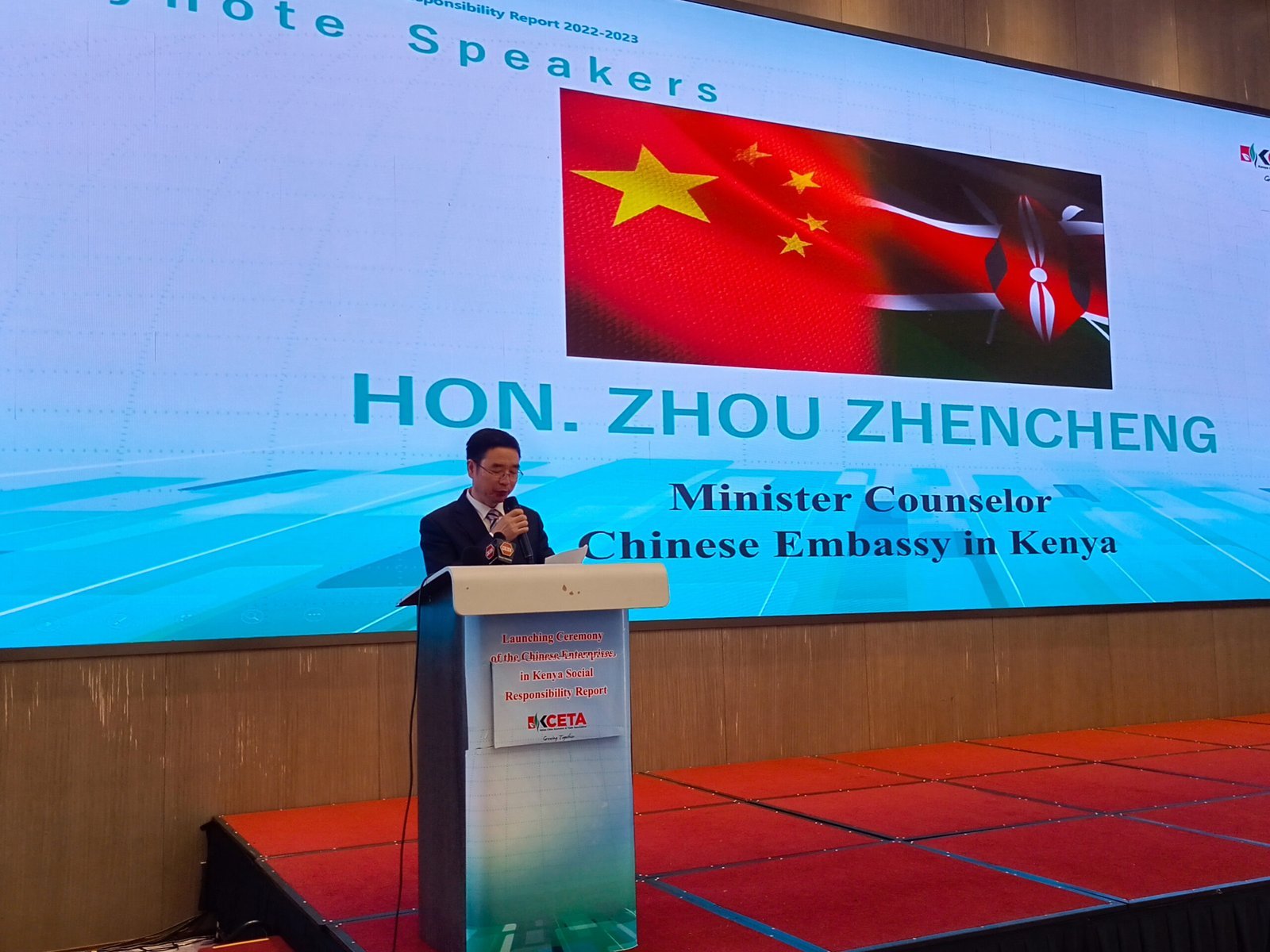
The contributions of Chinese firms extend beyond employment and infrastructure. Bilateral trade between Kenya and China has grown significantly over the past decade. According to Zhou Zhencheng, Minister Counsellor of the Chinese Embassy in Kenya, this trade has fostered local economic growth and transformed Kenya’s infrastructure landscape.
- Trade Growth:
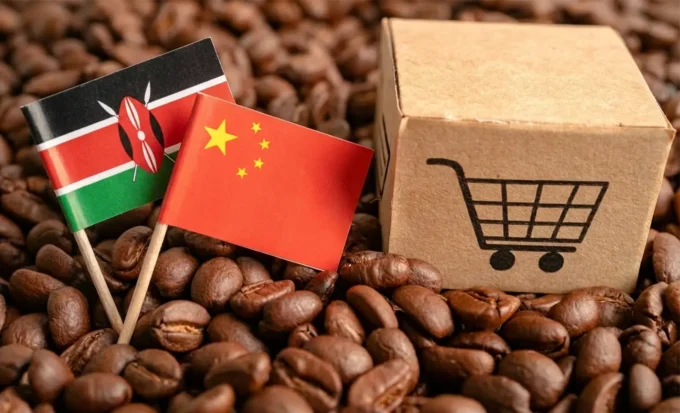
Kenya imports a wide range of goods from China, including machinery, electronics, and construction materials. At the same time, Kenya exports agricultural products such as tea, coffee, and flowers to China, enhancing its export earnings. - Increased Investments:
Chinese investments have bolstered sectors like manufacturing, agriculture, and renewable energy. These investments not only contribute to GDP growth but also promote technology transfer and capacity building.
Cultural Exchange and Green Development
Chinese firms are actively promoting cultural exchange and green development in Kenya. Through initiatives under the Belt and Road Initiative (BRI), Chinese companies are fostering a deeper understanding between the two nations and driving sustainable development.
- Cultural Exchange Programs:
Programs such as language training and cultural festivals have helped bridge cultural gaps and foster mutual respect. Chinese firms have also supported local education initiatives by providing scholarships and resources to Kenyan students. - Green Development:
Projects like the Garissa Solar Power Plant exemplify China’s commitment to green energy and environmental sustainability in Kenya. Additionally, Chinese firms are implementing eco-friendly practices in construction and industrial projects, aligning with Kenya’s goals for sustainable development.
Challenges and Criticisms
Despite the significant contributions, Chinese involvement in Kenya has not been without criticism. Concerns have been raised about:
- Debt Sustainability:
Kenya’s borrowing from China to finance large-scale infrastructure projects has led to debates about the country’s debt levels. Critics argue that the terms of some loans may pose long-term financial risks. - Job Localization:
While the localization ratio is commendable, some stakeholders believe more needs to be done to ensure that senior management positions and specialized roles are also filled by Kenyans. - Environmental Concerns:
Large-scale construction projects have occasionally drawn criticism for their environmental impact, including deforestation and habitat disruption.
Government Perspective
Kenyan government officials have emphasized the mutual benefits of the Kenya-China partnership. Transport Principal Secretary Mohamed Daghar highlighted the significant contributions of Chinese projects to Kenya’s economic, social, and infrastructural development.
“Kenya has benefitted in many ways, through the SGR, Expressway, and other developments,” Daghar noted, underscoring the importance of these initiatives in achieving Kenya’s Vision 2030 goals.
The Way Forward
To maximize the benefits of the Kenya-China partnership, stakeholders recommend the following:
- Enhanced Transparency:
Ensuring transparency in project financing and implementation will build public trust and mitigate concerns about debt sustainability. - Capacity Building:
Expanding skill development programs and creating more opportunities for Kenyans in senior roles within Chinese firms will foster greater inclusivity. - Environmental Safeguards:
Implementing strict environmental protection measures will ensure that development projects align with Kenya’s sustainability goals. - Diversification of Partnerships:
While China remains a key partner, Kenya should continue to explore collaborations with other countries to diversify its sources of investment and expertise.
Conclusion
Chinese firms have become integral to Kenya’s economic and social development, creating thousands of jobs, building transformative infrastructure, and fostering bilateral trade. The partnership, built on mutual benefits, offers immense potential for continued growth and development.
However, addressing challenges such as debt sustainability, job localization, and environmental concerns will be crucial in ensuring that the partnership remains equitable and sustainable. By leveraging the opportunities presented by Chinese investments while addressing these challenges, Kenya can pave the way for a prosperous future.
Ready to take your career to the next level? Join our dynamic courses: ACCA, HESI A2, ATI TEAS 7 , HESI EXIT and NCLEX – RN !🌟 Dive into a world of opportunities and empower yourself for success. Explore more at Serrari Ed and start your exciting journey today! ✨
Photo source: Google
By: Montel Kamau
Serrari Financial Analyst
19th December, 2024