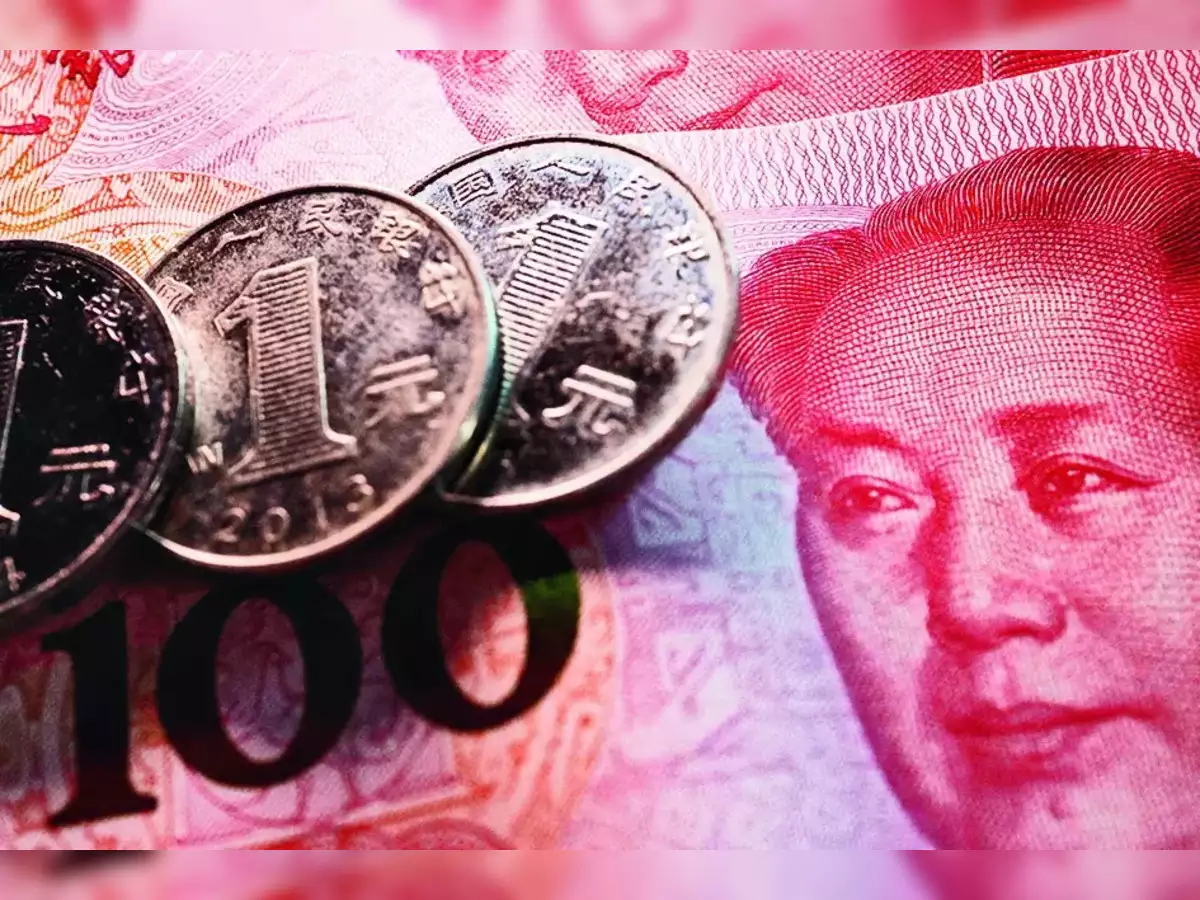
China’s renminbi touched a 16-year low against the US dollar as the nation’s exports faced a fourth consecutive monthly decline in August, underscoring the ongoing challenges confronting the country’s manufacturing sector, the world’s second-largest.
Renminbi Weakens on Export Contractions
In a noteworthy development, the renminbi slipped by 0.1 percent to reach Rmb7.3259 per US dollar, marking its lowest point since 2007. This dip came after official data revealed an 8.8 percent drop in exports for August compared to the prior year. It’s worth noting that this contraction, though concerning, was milder than the 9.2 percent predicted by analysts polled by Reuters, and an improvement from the 14.5 percent decline in July.
The decline in Chinese exports can be attributed to the impact of high global inflation, which has prompted foreign customers to curtail their purchases.
Pressure on Currency and Policy Implications
This persistent trend of a weakening currency has now raised speculations of potential intervention by the People’s Bank of China (PBoC). The PBoC typically sets a daily trading band midpoint for the renminbi, allowing it to fluctuate 2 percent in either direction against the dollar. Crossing this threshold has led experts to consider whether the PBoC may adjust the currency band to allow for further depreciation.
Economic Challenges Persist
China’s economic challenges extend beyond its currency’s depreciation. Trade and manufacturing, both integral to the country’s economic growth, have been struggling to gain traction. These difficulties pose concerns about the success of China’s post-pandemic recovery efforts.
While China did introduce measures to support its property market recently, analysts argue that more robust stimulus measures may be necessary to meet the government’s modest full-year growth target of 5 percent.
Global Ramifications and Domestic Concerns
The decline in Chinese exports is not an isolated concern; it has far-reaching consequences. Exports to Western countries, particularly the US, have significantly dwindled. This not only affects Chinese manufacturers but also puts Western companies at risk as they may experience reduced demand for their products from abroad.
Additionally, the economic challenges facing China at this juncture have broader political implications. Some senior party leaders have expressed dissatisfaction with President Xi Jinping’s policies. The economic turmoil has given rise to growing pushback against Xi’s administration, with some pointing to the drop in American investments in China as a major concern.
Balancing Act in Policy Response
China’s response to these economic challenges has been measured. Instead of large-scale interventions, they have opted for limited measures, such as easing mortgage restrictions and adjusting interest rates. However, the pressure to revive economic growth remains a significant concern as China navigates these turbulent times.
Photo Source: Google
By: Montel Kamau
Serrari Financial Analyst
7th September, 2023